
Kumasi Food Markets: A Culinary Adventure Awaits
Discover Kumasi food markets where authentic local dishes, vibrant flavors, and culinary delights come to life in this ultimate food lover’s guide.
On this page
Kumasi food markets are a vibrant tapestry of flavors, colors, and aromas, essential to the heart of Ghanaian culture. Known as the capital of the Ashanti Region, Kumasi is famous for its rich culinary traditions that reflect the city’s deep history and inviting community spirit. From the bustling markets filled with spices and fresh produce to food stalls serving local delicacies, exploring Kumasi’s food scenes is a must for any food lover. Join us as we uncover the culinary gems and unique food experiences that Kumasi has to offer.
Key Takeaways
- Kumasi food markets provide a rich variety of authentic Ghanaian dishes.
- Local specialties like Fufu, Jollof rice, and Peppersoup highlight the region’s deep culinary heritage.
- street food options abound, making Kumasi food markets a budget-friendly dining experience.
- Tours and local guides enhance the experience of exploring Kumasi’s vibrant food culture.
1. Kejetia Market: The Pulse of Kumasi Food Culture
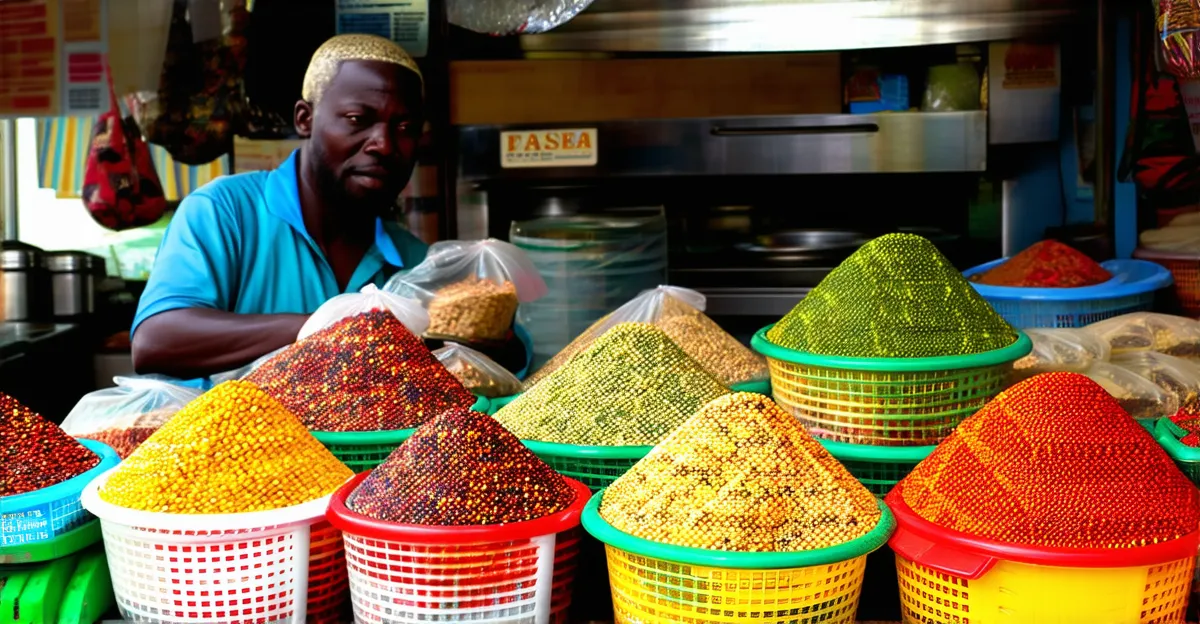
Kejetia Market is more than just a shopping destination; it’s the heart of Kumasi food markets. As one of the largest open-air markets in West Africa, it buzzes with life and flavor, making it an essential stop for any food lover visiting Kumasi. Here, you’ll find a vibrant mix of vendors selling fresh produce, spices, and prepared dishes that reflect the rich culinary heritage of the Ashanti region.
The market is a maze of stalls, where local women display baskets filled with colorful fruits and vegetables. Additionally, many cooks prepare meals on-site, offering visitors the chance to taste traditional meals infused with local flavors. Transitioning from one section to another, you will encounter the aromas of spices, grilled meats, and sweet treats that make your mouth water.
Pro Tip: Arrive early to experience the market at its liveliest, where you can interact with vendors and enjoy a breakfast of local delicacies.
Kejetia Market truly encapsulates what Kumasi’s food culture is all about. Whether you’re looking for ingredients to take home or dishes to savor on the spot, exploring this market is a delightful adventure.
2. Local Delicacies to Try at Kumasi Food Markets
When visiting the Kumasi food markets, you must set your taste buds ready for an unforgettable culinary journey. Local delicacies are a huge part of Kumasi’s culture, showcasing the flavors of the Ashanti region. Start with Fufu, a traditional dish made from pounded cassava and plantains, often served with rich soups and stews.
Another must-try is Banku, a fermented corn and cassava dough served with pepper sauce and grilled fish. Transitioning to sweet cravings, don’t miss out on Kelewele, which are spicy fried plantains seasoned with ginger and pepper. Trust us; they’re hard to resist!
Did You Know? Each of these dishes is usually accompanied by a unique local sauce that elevates the dish to another level.
As you stroll through the Kumasi food markets, look for vendors who specialize in these delightful offerings. Their passion for food will enhance your dining experience, making it a crucial aspect of your visit to Kumasi.
3. Discover the Best street food Vendors in Kumasi
⭐ Recommendation: Don't miss out on amazing Kumasi tours - book now!
The street food scene in Kumasi is vibrant and offers countless stalls that serve mouthwatering dishes. As you wander through the bustling streets, you will come across a variety of Kumasi food markets where the local vendors take pride in their offerings. From spicy snacks to hearty meals, there’s something for everyone.
One of the top vendors to seek out is Sister Aisha’s Kelewele, famous for her perfectly spiced fried plantains. Transitioning over to savory options, Abena’s Waakye is a lunchtime favorite, featuring rice and beans served with an array of sides. These food stalls not only provide delicious meals but also a fantastic way to interact with locals and learn about the region’s food culture.
Pro Tip: Be adventurous and try different vendors; each has its unique twist on traditional dishes!
Experiencing the street food in Kumasi is an essential part of immersing yourself in the local culture. So, grab a plate and enjoy the rich flavors that this city has to offer!
4. Fufu and Light Soup: A Kumasi Specialty
Fufu and light soup is a beloved dish in Kumasi food markets, showcasing the region’s rich culinary traditions. Fufu, made from pounded cassava and plantains, is a staple that complements various soups. The texture is soft and stretchy, making it the perfect accompaniment to savory broths.
The light soup, often infused with fresh spices, offers a flavorful experience. It can be made with meat, fish, or even vegetables, catering to diverse tastes. When visiting Kumasi, indulging in this dish is a must. Not only is it hearty, but it also reflects the warmth of the local culture.
Don’t miss the chance to enjoy fufu and light soup with your choice of protein—it’s a perfect introduction to Kumasi’s gastronomic delights!
Where to eat: For an authentic experience, head to Boma Fufu Joint or Ababio Chop Bar, both known for their delicious renditions of this Kumasi specialty.
5. The Secrets of Palm Nut Soup: A Local Staple
⭐ Recommendation: Don't miss out on amazing Kumasi tours - book now!
Palm nut soup, often hailed as a local staple, is another highlight in the Kumasi food markets. This rich and creamy soup is prepared using the pulp of palm nuts, which gives it a unique flavor and color. The soup is frequently enriched with meat, fish, and a mix of indigenous spices, creating an irresistible dish that warms the soul.
Its versatility means that the soup can be enjoyed with various sides, but it pairs perfectly with fufu or rice balls. This connection to local ingredients highlights the importance of sustainability and tradition in Kumasi’s cuisine.
Pro Tip: To truly savor palm nut soup, enjoy it fresh from local vendors at the market—it’s often made daily for maximum flavor!
Where to eat: You can find some of the best palm nut soup at Asafo Market or Old Indoor Market, where vendors serve it up hot and fresh.
6. Jollof Rice: Kumasi’s Famous Flavor
One cannot discuss Kumasi food without mentioning Jollof rice, a dish that holds a special place in Ghanaian hearts. This vibrant colored rice dish is not only famous in Kumasi but is also deeply loved across West Africa. The secret to its delightful flavor lies in the mix of tomatoes, onions, and spices, all cooked together with the rice.
Each region has its own twist, and Kumasi is no exception—local chefs often incorporate unique ingredients to elevate the dish. Jollof rice can be served with grilled chicken, fried plantains, or a spicy pepper sauce to complement its rich taste.
Looking for a Jollof rice fix? Try it at any local food market, and make sure to ask for extra spicy sauce!
Where to eat: For a true taste of Jollof rice in Kumasi, don’t miss out on Kumasi Jollof Spot or Adom Restaurant, whose recipes have been lovingly passed down through generations.
7. Peppersoup: Spicy Kumasi Concoctions
Peppersoup is a spicy and flavorful dish that is a staple in Kumasi’s food culture. This soup typically features meat, fish, or chicken, flavored with a vibrant mix of spices and local peppers. It is known for its aromatic broth that warms the soul and stimulates the appetite. Moreover, the heat from the peppers is both invigorating and comforting, making it a popular choice especially during the cooler evenings.
In Kumasi’s bustling food markets, you can find various vendors specializing in peppersoup, each adding their unique twist to the dish. Some may include additional ingredients like okra or yam for a heartier meal. The soup is often served with a side of rice or fufu, enhancing the overall experience.
Pro Tip: Don’t hesitate to ask for extra spiciness if you can handle the heat!
Where to eat: For an authentic peppersoup experience, visit Asafo Market where local vendors serve their finest variations. Another great spot is the Kejetia Market, known for its bustling atmosphere and delicious offerings.
8. Porridge Varieties: A Breakfast Tradition in Kumasi
Porridge is a beloved breakfast tradition in Kumasi, celebrated for its comforting nature and nutritional benefits. Locally known as “porridge” or “akaw,” this dish comes in various forms, made from ingredients like maize, millet, or rice. Each variety offers a unique flavor and can be enjoyed either sweet or savory depending on personal preference.
Popular options include corn porridge, often served warm with milk or sugar, and millet porridge, which has a distinct taste and is usually accompanied by honey or fruits. This versatile dish strengthens the bonds of family as it is often shared during morning gatherings.
For a true Kumasi experience, consider trying the porridge from street vendors who prepare it fresh every morning!
Where to eat: Head to Besease Market or the Central Market for some of the best porridge in the city. Both locations offer a variety of options made by experienced local cooks.
9. Kelewele: Fried Plantain Street Snacks
⭐ Recommendation: Don't miss out on amazing Kumasi tours - book now!
Kelewele is a much-loved street snack in Kumasi, made from ripe plantains that are spiced and fried to golden perfection. This delicious treat is often seasoned with ingredients like ginger, pepper, and sometimes garlic, which gives it a unique and appealing flavor profile. Kelewele is perfect for any time of day, whether as a snack or a side dish.
As you stroll through Kumasi’s vibrant food markets, you’ll encounter numerous vendors displaying their freshly made kelewele, often served with a spicy dip. Its attractive aroma will undoubtedly draw you in, and the crispy exterior combined with the soft interior makes it a must-try.
Don’t miss out on the chance to enjoy kelewele paired with groundnuts for a delightful crunch!
Where to eat: You can find the best kelewele at Kejetia Market or near Odotobri Market, where the stalls are always buzzing with locals enjoying this tasty snack.
10. How to Navigate Kumasi’s Food Markets Like a Pro
Navigating the bustling Kumasi food markets can be an exhilarating adventure. With vibrant stalls and friendly vendors, these markets are a feast for the senses. First, it’s essential to go early in the morning to experience the freshest produce and local specialties. The atmosphere is lively, and you can enjoy engaging with vendors as they display their colorful offerings.
While exploring, ensure you have local currency on hand for purchases. Haggling is common, so don’t hesitate to negotiate prices. For newcomers, sticking to popular stalls can make the process easier, as the busy vendors are often well-regarded for their quality products.
Pro Tip: Bring a reusable bag for your purchases, as many vendors may not provide bags.
Another handy tip is to seek out vendors selling prepared foods. Sampling local dishes can provide insight into the culinary landscape of Kumasi. Additionally, don’t forget to ask locals for recommendations on must-try foods and best food stalls.
Lastly, take your time to enjoy the market’s vibrant culture. Interact with local vendors and fellow shoppers. This not only enriches your experience but also enhances your understanding of Kumasi’s rich food heritage.
Exploring the food markets of Kumasi is an extraordinary culinary journey that reflects the vibrant culture and traditions of Ghana. From the bustling atmosphere of Kejetia Market to the delightful flavors of local dishes, there is something special awaiting every food lover. Step into Kumasi’s dining scene, indulge in its authentic flavors, and share your favorite discoveries with fellow travelers!
Frequently Asked Questions
A: Kumasi is known for its vibrant markets that offer authentic dishes like Fufu, Jollof rice, and spicy Peppersoup.
A: Yes, Kumasi food markets have a variety of vegetarian-friendly dishes, including plant-based stews and porridge.
A: Visiting in the morning helps you experience the freshest produce and the busiest atmosphere.
A: Absolutely! Kumasi food markets are the perfect places to try local dishes and street foods.
A: Yes, food stalls are generally safe; just choose stalls with a high turnover of food for the freshest options.
A: While food prices are often fixed, it is polite to ask about prices and engage in friendly bargaining at some stalls.