
Kinshasa Traditional Cuisine: Exploring Local Flavors
Dive into Kinshasa traditional cuisine! Discover local dishes, vibrant dining spots, and culinary experiences in the heart of the DRC capital.
On this page
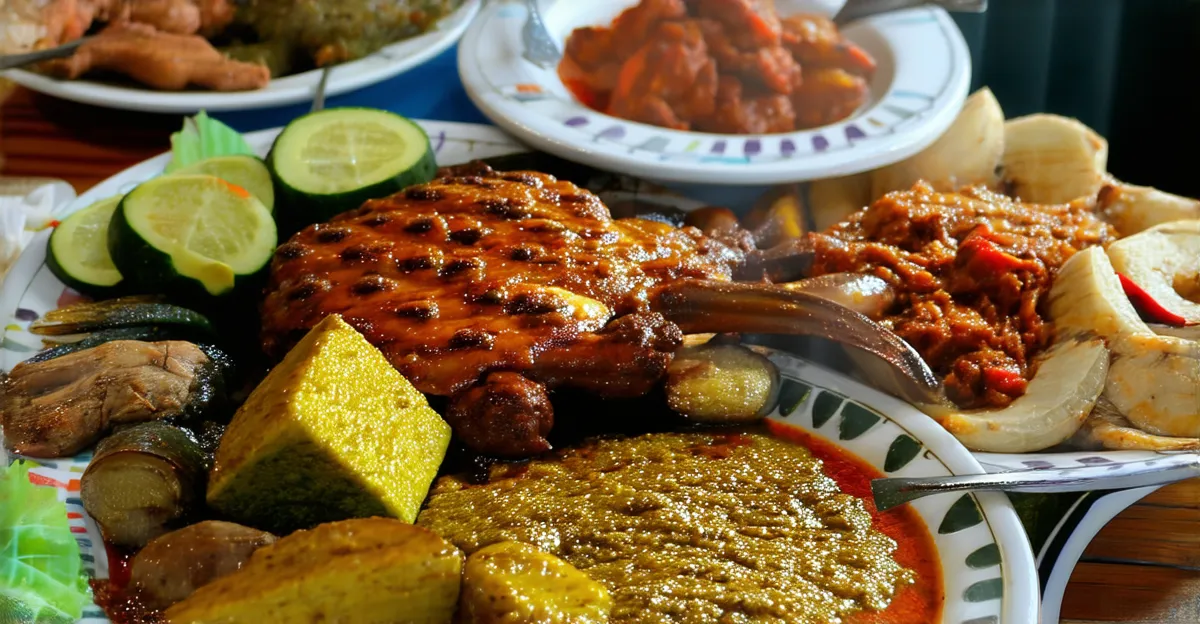
Kinshasa traditional cuisine is a delightful mix of rich flavors and cultural heritage, offering food enthusiasts a unique journey through the heart of the Democratic Republic of the Congo. With influences from various regions and traditions, Kinshasa is a melting pot of delicious local dishes, including fufu, moambe chicken, and various fish specialties. This guide will uncover the culinary treasures of Kinshasa, showcasing must-try local dishes and the best dining spots that define its vibrant food scene, perfect for travelers seeking an authentic experience.
Key Takeaways
- Kinshasa traditional cuisine is a delightful exploration of diverse local flavors.
- Signature dishes like fufu and moambe chicken showcase the city’s culinary richness.
- street food and market dining offer affordable and authentic experiences.
- Cooking classes and food tours provide excellent opportunities to dive deeper into the local food culture.
1. Fufu: The Staple of Kinshasa Traditional Cuisine
Fufu is a cornerstone of Kinshasa traditional cuisine and is loved by locals for its versatility and filling nature. Typically made from cassava, yams, or plantains, this dish is pounded into a soft, stretchy texture. As a staple food, Fufu serves as an accompaniment to various sauces and stews, making it an essential part of daily meals.
When enjoying Fufu, you will often find it paired with rich and flavorful sauces, such as Groundnut (Peanut) Sauce or Moambe Sauce. This allows it to soak up all the delicious flavors, enhancing your dining experience. Moreover, Fufu is easily eaten with your fingers, creating a communal atmosphere during meals, which is a significant aspect of Congolese culture.
Did you know? Fufu can also be made in various ways, depending on the region, highlighting the diversity in Kinshasa’s culinary landscape.
Where to eat: To try authentic Fufu, visit Chez Dodo or La Bottega, where you can experience this beloved staple alongside its traditional accompaniments.
2. Moambe Chicken: The Heart of Congolese Comfort Food
Moambe Chicken is considered one of the most iconic dishes in Kinshasa traditional cuisine. This comfort food consists of chicken cooked in a rich sauce made primarily from palm oil, tomatoes, groundnuts, and various spices. As a hearty dish, it embodies the flavors loved by many locals, making it a go-to option for family gatherings and celebrations.
Typically served with Fufu or rice, Moambe Chicken is cherished not only for its flavor but also for its nutritional value. The palm oil, rich in vitamins, ensures that this dish is both delicious and energizing. Many families have their unique recipes, passed down through generations, that add a personal touch to this beloved meal.
Pro tip: Don’t forget to pair your Moambe Chicken with a side of cassava or plantains for an authentic experience!
Where to eat: For sampling Moambe Chicken, Boulangerie Panaméricaine and Les Délices du Congo are excellent spots where you’ll find this comforting dish prepared to perfection.
3. Saka Saka: A Standout Dish in Kinshasa
🌟 Local Expert Tip: Get the most out of your Kinshasa visit with guided tours!
Saka Saka, also known as cassava leaves stew, is a standout dish in Kinshasa traditional cuisine. Made from the tender leaves of the cassava plant, it is typically prepared with ground peanuts, palm oil, and spices, creating a hearty and nutritious meal. This dish is not only rich in flavor but also packed with vitamins and minerals, making it a common choice among health-conscious locals.
Traditionally served with Fufu or rice, Saka Saka highlights the importance of cassava in Congolese culinary traditions. Its unique taste is further enhanced by the addition of smoked fish or meat, which contributes a savory depth to the dish. Many families take pride in their Saka Saka recipe, where each preparation varies, showcasing the personal touches of different cooks.
local insight: Saka Saka can also be enjoyed as a side dish, complementing grilled meats or dishes like Moambe Chicken.
Where to eat: For a delightful Saka Saka experience, check out Chez Lisette and Restaurant Kintambo, both known for their authentic preparations of this beloved dish.
4. Grilled Fish: Fresh Flavors from the Congo River
🌟 Local Expert Tip: Get the most out of your Kinshasa visit with guided tours!
Grilled fish is a celebrated dish in Kinshasa traditional cuisine, showcasing the culinary expertise of the people. The Congo River, a vital source of fresh fish, provides a variety of options such as tilapia and Catfish, which are commonly used for grilling. This method enhances the fish’s natural flavors while giving it a smoky, charred finish, making it delicious and appealing.
The grilling process often includes marinating the fish with local spices, herbs, or a flavorful sauce, creating a dish full of depth. It’s typically served with a side of fufu or akasa, making for a hearty meal.
Pro Tip: Always ask about the catch of the day to enjoy the freshest fish available!
Where to eat: For the best grilled fish in Kinshasa, visit Restaurant Le Tropicana, known for its vibrant atmosphere and perfectly grilled options. Another great spot is Chez Sango, which specializes in river fish dishes.
5. Liboke: Traditional Fish Steamed in Banana Leaves
Liboke is a true gem of Kinshasa traditional cuisine that reflects the rich culinary heritage of the region. This dish consists of fish marinated in spices and wrapped in banana leaves before being steamed. The steaming process not only ensures the fish remains moist but also infuses it with aromatic flavors from the leaves.
This method of cooking is not only traditional but also preserves the nutritional value of the fish, making it a healthy option. The resultant dish is often served with a side of rice or plantains, and it offers a delightful experience for your taste buds.
Did you know? Liboke is a popular choice at family gatherings and special occasions in Kinshasa.
Where to eat: For authentic Liboke, you can try Le Bounty, a local favorite where the fish is steamed to perfection. La Maison du Fleuve also offers an exceptional take on this traditional dish.
6. Kwanga: Cassava Bread of Kinshasa
Kwanga is a staple in Kinshasa traditional cuisine, often referred to as cassava bread. This unique dish highlights the versatility of cassava, which is a significant crop in the region. The process involves peeling, soaking, and fermenting cassava before it’s mashed and wrapped in banana leaves, then steamed until it takes on a firm texture.
Kwanga is versatile; it pairs excellently with various sauces or stews, enhancing the overall dining experience. Whether served with fish or meat dishes, it forms the perfect base to enjoy the bold flavors of Kinshasa.
Pro Tip: Kwanga has a subtly tangy flavor, which makes it a great accompaniment to spicy dishes!
Where to eat: For the tastiest Kwanga, head to Chez Mbala, where the homemade bread is a crowd favorite. Le Jardin du Fleuve also serves excellent Kwanga, complemented by a selection of traditional Congolese dishes.
7. Gari: A Popular Cassava Side Dish
Gari is a staple in the Kinshasa traditional cuisine and is made from cassava, a root vegetable that is fundamental to many dishes in the Congo. This versatile ingredient is prepared by grating fermented cassava and roasting it until it becomes a fluffy, granular texture. It is often enjoyed as a side dish, served alongside stews, sauces, or grilled meats.
Rich in carbohydrates, gari is not only filling but also offers a quick energy boost, making it a favorite among locals. For those looking to enhance their meal, gari can be eaten plain or mixed with water to create a dough-like consistency known as gari photo. Additionally, it can be served with a pinch of salt or sugar, depending on personal preference.
Pro Tip: Gari pairs perfectly with Moambe Chicken, intensifying its flavors and providing a satisfying texture contrast.
Where to eat: To experience authentic gari, visit local eateries in Kinshasa such as Chez Maman or Le Roi des Vins, where you can enjoy traditional dishes accompanied by this popular side.
8. Ngulu: A Culinary Delight of Goat Meat
🌟 Local Expert Tip: Get the most out of your Kinshasa visit with guided tours!
Ngulu, or goat meat, holds a cherished place in Kinshasa traditional cuisine. The meat is praised not only for its rich flavor but also for being lean and nutritious. Ngulu is typically marinated with a blend of spices and herbs, then grilled or slow-cooked to perfection, ensuring it remains tender and juicy.
This dish is often served at gatherings and celebrations, showcasing its cultural significance. The goat meat’s robust taste pairs well with local staples such as fufu or plantains, creating a comforting and hearty meal. Many families have their secret marinades, making each preparation unique.
Fun Fact: In Kinshasa, it’s traditional to serve ngulu with a side of spicy sauce to enhance the dish’s rich flavors.
Where to eat: For the best ngulu in Kinshasa, try Le Palais du Ngulu where this dish is prepared with time-honored techniques, ensuring authenticity and flavor in every bite.
9. Loo: The Iconic Kinshasa Snack
Loo is an iconic snack that is loved throughout Kinshasa. These delicious fried dough balls are often made with flour, yeast, and sometimes spices, creating a light and airy treat. Loo is perfect for munching at any time of the day, whether enjoyed as a midday snack or a late-night treat after a long day.
The golden-brown exterior of loo gives way to a soft and fluffy interior, making it irresistible. Vendors often serve loo with spicy dipping sauces or can be enjoyed plain, allowing for a satisfying flavor experience. This snack captures the essence of Kinshasa’s vibrant street food culture.
Insider Tip: Pair loo with a refreshing drink like malwa, a local beverage made from fermented sorghum, for a delightful combination.
Where to eat: For the best loo, check out food stalls along Avenue Colonel Mondjiba or visit Les Paniers Gourmands, renowned for their mouthwatering street snacks.
10. local markets: Discovering Kinshasa’s Food Scene
Visiting local markets is essential for understanding Kinshasa traditional cuisine. These vibrant hubs are brimming with fresh produce, spices, and local delicacies that showcase the rich flavors of the Congo. Markets like Marché central and Marché de Ngaba offer a fascinating glimpse into everyday Congolese life.
At these markets, you can find staples such as cassava, plantains, and an array of fresh fish, often caught from the nearby Congo River. Street vendors sell traditional snacks like loo and grilled meat skewers, creating an inviting atmosphere filled with enticing aromas.
Pro Tip: Go early in the morning to experience the hustle and bustle and to see the freshest produce being delivered.
Exploring these markets not only allows you to sample authentic ingredients but also helps support local farmers and artisans. It’s a thrilling way to engage with Kinshasa’s culinary heritage while picking up tips and recipes for your own cooking adventures.
11. Dining Spots: Where to Savor Kinshasa Cuisine
Another excellent option is Les Jardins de Katanga, where you can enjoy local fish dishes, served fresh and prepared using ancient recipes. For a quick bite, head to Boutique de Nganda, famous for its busy atmosphere and street food offerings, particularly kwanga with spicy dips.
Did you know? Many local places in Kinshasa offer live music during dinner hours, enhancing your dining experience with authentic cultural entertainment.
These dining spots provide the perfect opportunity to immerse yourself in Kinshasa’s vibrant food scene while savoring the rich flavors and traditions of Congolese cuisine.
12. Traditional Drinks: Savoring the Flavors of the Congo
No meal in Kinshasa is complete without a taste of its traditional drinks. From refreshing beverages to local favorite brews, the options are as diverse as the Kinshasa traditional cuisine itself. One standout drink is malta, a non-alcoholic beverage made from barley and served chilled. It pairs perfectly with many dishes.
For those seeking something stronger, Njugu, a local brew made from fermented cassava, is highly recommended. It has a unique flavor and is often enjoyed during social gatherings. Additionally, beer, particularly Tembo, has gained popularity in the region and complements the hearty Congolese meals.
Pro Tip: Don’t miss out on trying aloe vera juice—a refreshing, natural drink believed to have several health benefits!
By indulging in these traditional drinks, you can further appreciate the unique flavor profile of Kinshasa’s cuisine, which is steeped in local culture and heritage.
13. Kinshasa Street Food: An Unforgettable Experience
🌟 Local Expert Tip: Get the most out of your Kinshasa visit with guided tours!
When exploring Kinshasa, indulging in Kinshasa traditional cuisine through street food is a must. The vibrant streets are lined with vendors offering a variety of snacks, reflecting the city’s culinary culture. For instance, you can find Chips Mayai, a popular street dish made of fried potatoes and eggs, perfect for satisfying your hunger on the go.
Another street favorite is Fritters, crispy bites that come in various flavors, often served with a side of spicy sauce. You should also try the ever-popular Brochettes, which are skewered meats grilled to perfection. Street food in Kinshasa is not just about taste; it’s about the experience. The lively atmosphere, combined with the aroma of freshly cooked food, makes each visit a memorable adventure.
Pro Tip: Make sure to try the fresh fruit juices sold by vendors; they are refreshing and offer a delightful taste of local produce.
For the ultimate Kinshasa street food experience, visit popular areas such as Marché Central where you’ll find a variety of local snacks waiting for you.
14. Cooking Classes: Learn the Secrets of Kinshasa Cuisine
If you’re interested in diving deeper into Kinshasa traditional cuisine, consider taking a cooking class during your visit. Many local chefs offer hands-on classes that teach you how to prepare authentic dishes. In these classes, you will learn to make beloved Congolese meals like Moambe Chicken and Fufu, gaining insight into the cooking techniques and ingredients used by locals.
Moreover, cooking classes often include market visits where you can buy fresh ingredients. This way, you gain a comprehensive understanding of how traditional dishes are crafted. By the end of the class, you’ll not only enjoy a delicious meal but also feel proud of your newfound culinary skills. Classes are available for both beginners and experienced cooks, ensuring that everyone can enjoy this unique culinary journey.
Did you know? Participating in a cooking class is a fantastic way to connect with local culture through food.
For reputable cooking classes, check out Les cuisines de Kin, known for its warm atmosphere and knowledgeable instructors.
15. Kinshasa Food Tours: A Complete Culinary Adventure
To truly experience the essence of Kinshasa traditional cuisine, embarking on a food tour is an excellent choice. These tours provide an opportunity to sample various local dishes while exploring the city’s culinary hotspots. You’ll get to taste iconic foods such as Saka Saka and Grilled Fish, all while learning their significance in Congolese culture.
Additionally, food tours often include visits to local markets and eateries, allowing you to interact with vendors and gain firsthand knowledge about the ingredients used in the dishes. Each stop offers a unique insight into Kinshasa’s culinary heritage, making it both an educational and delicious experience. You also get recommendations for the best places to eat during your stay.
Tip: Many food tours cater to different tastes and dietary needs, so you can find one that suits your preferences.
For a memorable food tour, consider booking with Kinshasa Culinary Tours, known for its engaging guides and well-curated experiences.
16. Festivals Celebrating Kinshasa Culinary Culture
In Kinshasa, food is more than just sustenance; it is a celebration of culture and community. Various festivals throughout the year highlight Kinshasa traditional cuisine. One such event is the Salon International de l’Agriculture et des Ressources Animales, which celebrates local agricultural products and culinary practices. This festival features cooking demonstrations, allowing visitors to taste traditional dishes like Fufu and Moambe Chicken.
Another noteworthy celebration is the annual Fête de la Gastronomie, where restaurants and local chefs come together to showcase their culinary skills. During this event, attendees can enjoy tasting menus featuring local ingredients and famous dishes. These festivals are not only a feast for the senses but also promote the rich heritage of Kinshasa traditional cuisine.
Pro Tip: Participating in these festivals offers a unique opportunity to engage with locals and taste authentic Kinshasa dishes.
In addition to the food, music and dance are integral aspects of these festivals, making them a vibrant cultural experience for everyone involved.
17. Kinshasa’s Influence on Congolese Gastronomy
🌟 Local Expert Tip: Get the most out of your Kinshasa visit with guided tours!
Kinshasa plays a significant role in shaping Congolese gastronomy. The city’s diverse population brings together various culinary traditions, which contribute to its unique flavor profiles. Ingredients like cassava, plantains, and fresh fish are staples in many homes. The infusion of local produce with traditional cooking methods creates a rich tapestry of tastes.
Furthermore, Kinshasa serves as a hub where culinary practices evolve. Chefs here creatively blend elements from different regions, enhancing dishes like Moambe Chicken and Saka Saka with contemporary twists. Consequently, Kinshasa influences not only local gastronomy but also the global perception of Congolese cuisine.
Did you know? Kinshasa is often referred to as the culinary capital of the Democratic Republic of Congo thanks to its vibrant food scene.
Overall, Kinshasa’s influence is evident in the nationwide popularity of its traditional dishes, making it a pivotal city for Congolese gastronomy.
18. Seasonal Ingredients in Kinshasa Cuisine
Seasonality plays a crucial role in Kinshasa traditional cuisine. The city enjoys a tropical climate, allowing for a variety of fresh fruits and vegetables throughout the year. For instance, plantains and cassava are year-round staples that form the base of many dishes. During the rainy season, you can find an abundance of fish from the Congo River, adding to the freshness of local meals.
Moreover, seasonal ingredients influence the recipes that families prepare, as some dishes change based on what is available. During harvest times, you’ll see traditional celebrations featuring local products. This not only makes the food fresher but also ties the cuisine closely to the community’s agricultural practices.
Pro Tip: When visiting Kinshasa, ask locals about seasonal specialties to experience the freshest flavors available.
Ultimately, embracing seasonal ingredients enriches the culinary landscape of Kinshasa, making it a dynamic place to enjoy authentic Congolese flavors.
Kinshasa traditional cuisine offers a rich tapestry of flavors and culinary traditions that reflect the heart of Congolese culture. From the comfort of fufu to the vibrant tastes of local fish dishes, every bite tells a story of the region’s heritage. So, prepare your taste buds for an unforgettable food adventure in Kinshasa—share your favorite discoveries or plan your culinary journey today!
Frequently Asked Questions
A: Kinshasa is known for its vibrant traditional dishes like fufu, moambe chicken, and fresh fish from the Congo River.
A: Fufu, moambe chicken, saka saka, and grilled fish should not be missed while in Kinshasa.
A: Yes, local markets and street vendors offer budget-friendly options to enjoy Kinshasa traditional cuisine.
A: Participating in food tours, visiting local markets, and taking cooking classes are great ways to immerse yourself.
A: Yes, many traditional dishes can be found in vegetarian or vegan variations, particularly using local vegetables.
A: The best moambe chicken can be enjoyed at local restaurants like Chez Sasha and other popular eateries.