
Kinshasa Food Markets: A Taste of Local Delights
Explore Kinshasa food markets to taste fresh local ingredients, vibrant dishes, and cultural experiences that define the heart of Congo’s cuisine.
On this page
Kinshasa, the bustling capital of the Democratic Republic of the Congo, is a melting pot of cultural influences reflected in its vibrant food scene. Renowned for its lively food markets, Kinshasa offers a treasure trove of flavors, aromas, and experiences that no food lover should miss. From fresh produce to traditional dishes, these markets not only showcase the local cuisine but also foster a deep connection to the community and its heritage. Join us as we dive into the exciting world of Kinshasa food markets, and discover why this culinary experience is a must when visiting the city.
Key Takeaways
- Kinshasa food markets offer a rich variety of local ingredients and dishes.
- Signature products like ripe plantains, palm oil, and dried fish highlight the region’s culinary diversity.
- From bustling street food options to artisanal products, Kinshasa caters to all tastes and budgets.
- Participating in cooking demos at markets enhances your culinary expertise and appreciation for local cuisine.
1. Marche Central: The Heart of Kinshasa’s Culinary Hub
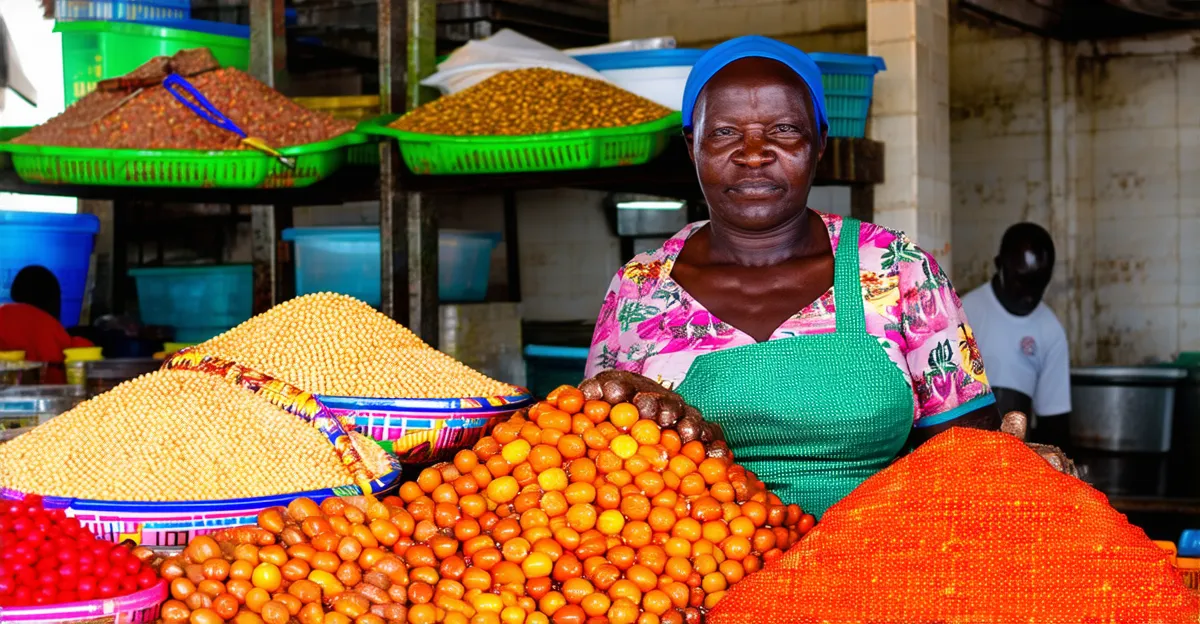
Marche Central is not just a market; it is the beating heart of Kinshasa’s food markets. Here, you will find an exciting array of fresh produce, local delicacies, and vibrant street food stalls. This bustling market serves as a meeting point for locals and visitors who want to experience the rich culinary culture of Kinshasa. As you walk through the stalls, you will be captivated by the colorful displays of fruits, vegetables, and spices.
In addition to groceries, Marche Central offers a variety of prepared foods. You can savor traditional dishes, which showcase the essence of Congolese cuisine. The atmosphere is lively, filled with the sounds of vendors calling out their offerings and the enticing aromas of freshly cooked meals. If you’re looking to understand the soul of Kinshasa’s gastronomy, a visit to this market is essential.
Tip: Don’t forget to engage with the vendors; they often share recipes and cooking tips!
Where to eat: While at the Marche Central, you can grab delicious meals at local food stalls such as Chez Mama Kazi and Les Délices de Kin, known for their remarkable flavors.
The Bountiful Stalls of Marche de la Liberté
Marche de la Liberté is famous for its vast selection of goods and is a hub for Kinshasa food markets. This market is especially known for its variety of vegetables and grains, which are staples in many local dishes. The atmosphere is electric, with vendors enthusiastically showcasing their products. You can find everything from fresh okra and cassava to vibrant spices and dried fish.
Moreover, this market is an excellent place to discover unique local ingredients that reflect the rich agricultural traditions of the region. Additionally, the stalls often feature handmade goods, offering a glimpse into Congolese culture and craftsmanship. The experience of shopping here is not just about food—it’s about embracing the local lifestyle.
Pro Tip: Arrive early in the morning for the freshest produce and to enjoy a cooler shopping experience.
Where to eat: At Marche de la Liberté, you can enjoy local favorites at stalls like Le Petit Chef, which offers grilled meat and hearty side dishes.
3. Discovering Local Produce at Kinshasa’s Farmers’ Markets
🌟 Local Expert Tip: Get the most out of your Kinshasa visit with guided tours!
Kinshasa’s farmers’ markets are a treasure trove for anyone interested in Kinshasa food markets. These markets focus on fresh, locally sourced produce, ensuring that shoppers find high-quality ingredients. Here, you can explore a variety of fruits and vegetables, often grown in nearby regions. Look for seasonal items, such as ripe bananas, yams, and leafy greens, which are staples in Congolese cuisine.
Shopping at farmers’ markets also supports local farmers and communities. It’s a delightful way to connect with the culture and understand the significance of agriculture in the Congo. The interactions with farmers can provide insight into farming practices and what makes the produce unique to the region.
Did you know? Many local dishes use these fresh ingredients, which impact the flavor and nutritional value!
Where to eat: After shopping, sample local dishes at nearby cafes, like Les Saveurs de Kin, where you can relish meals made from fresh ingredients sourced from these markets.
4. street food Wonders: What to Try at Kinshasa’s Markets
🌟 Local Expert Tip: Get the most out of your Kinshasa visit with guided tours!
Exploring Kinshasa’s food markets wouldn’t be complete without indulging in the vibrant street food culture. The streets are bustling with vendors offering a selection of mouthwatering snacks and dishes that reflect the city’s culinary diversity. One must-try item is moambe, which is chicken or fish cooked in a rich palm nut sauce. This dish showcases the use of local ingredients and is a staple in Congolese cuisine.
Another delicious street offering is kwanga, a kind of cassava bread that pairs perfectly with many dishes. As you navigate the markets, don’t miss the fried snake beans or the popular fumbwa, a vegetable dish made from wild spinach that is often served with a protein.
Pro Tip: Be sure to try brochettes, skewered meat that’s grilled to perfection. It’s a favorite among locals!
Whether enjoyed at a bustling market or a simple roadside stall, the street food of Kinshasa provides a unique window into the heart of Congolese culture.
5. traditional Dishes: A Taste of Kinshasa’s Heritage
The traditional dishes of Kinshasa are a celebration of the region’s culinary heritage, filled with rich flavors and history. Dishes like libanga, a savory tomato and fish stew, represent the essence of local cooking. Another favorite is pombe, a traditional fermented drink made from cassava or maize that showcases the local agricultural practices.
Often served during special occasions, n’dalaya is a star dish made from plantains and covered in a delicious peanut sauce. It’s a cherished part of Kinshasa’s culinary identity.
Did you know? In Kinshasa, sharing a meal is more than just food; it’s a way of connecting with family and friends.
Eating these dishes not only satisfies your appetite but also tells the story of a culture that values community and tradition. Food lovers will find that traditional Kinshasa cuisine is both nourishing and bursting with flavors.
6. Fish Markets: Fresh Catches of the Congo River
Kinshasa’s proximity to the Congo River means that fresh fish is a vital part of its local cuisine. The fish markets are vibrant places where you can find all sorts of catches just hours out of the water. Here, you can expect to see tilapia, catfish, and even exotic river species being sold by enthusiastic vendors.
One highlight of visiting these markets is witnessing the lively atmosphere as fishmongers demonstrate their skills. Many vendors will even prepare the fish on the spot, grilling or frying it to perfection.
Pro Tip: Try ordering grilled tilapia served with a side of pondu, a popular leaf dish made from cassava leaves.
Always ask for the catch of the day, as it offers the freshest and tastiest options. A visit to Kinshasa’s fish markets not only allows you to taste fresh seafood, but also immerses you in the local culture and traditions surrounding food.
7. Spice and Flavor: The Ingredients of Kinshasa Cuisine
Kinshasa’s cuisine is a vibrant tapestry woven from indigenous ingredients and flavors infused with global influences. Essential to this is the rich variety of spices that add depth to every dish. Common spices include ginger, garlic, and chili, which are often used to create bold, aromatic sauces that accompany many meals. Furthermore, the use of palm oil is a hallmark of Kinshasa cuisine, providing a rich flavor base for several traditional dishes.
In addition to spices, fresh local produce plays a significant role. You will find cassava, plantains, and a range of leafy greens in abundance. These ingredients contribute not only to the flavor but also to the health benefits of the local cuisine. During your visit, don’t hesitate to engage with local vendors, as they offer valuable insights into the best ingredients to use!
Pro Tip: Incorporating local spices into your cooking can elevate your dishes and bring a taste of Kinshasa back home.
Overall, exploring the spices of Kinshasa’s food markets is a sensory experience you shouldn’t miss!
8. Cooking Demos: Learn to Prepare Kinshasa Specialties
🌟 Local Expert Tip: Get the most out of your Kinshasa visit with guided tours!
One of the most engaging ways to experience Kinshasa food markets is by attending cooking demonstrations that showcase local specialties. These sessions are often hosted by experienced cooks who share their knowledge of traditional recipes, techniques, and the importance of using fresh, local ingredients. Learning to cook dishes such as moambe (a peanut stew) or fumbwa (a dish made with wild leaves) allows you to appreciate the culinary heritage of Kinshasa deeply.
During these demos, participants often enjoy tasting the finished products, enhancing the culinary experience. Furthermore, you will discover how to incorporate the unique spices and flavors that define Kinshasa cuisine. Also, many markets offer interactive sessions on weekends, inviting you to immerse yourself in the local culture even more.
Did you know? Cooking classes make for fantastic souvenirs; not only do you learn, but you also take home new skills!
Engaging in these cooking experiences not only delights your palate but also enriches your understanding of Kinshasa’s food culture.
9. Markets After Dark: Nighttime Food Adventures
As the sun sets, Kinshasa transforms into a bustling food haven. Night markets emerge, offering a lively atmosphere filled with the enticing aromas of grilled street food and savory snacks. After dark, the city’s culinary scene thrives as vendors set up stalls serving nyama choma (grilled meat), fried plantains, and delicious samosas. Experience the vibrant energy as locals flock to these markets to enjoy good food and socialize.
These nighttime adventures are perfect for immersing yourself in the local culture while trying a wide variety of dishes. You may even stumble upon live music performances, which further enhance the experience. Take your time to wander through the stalls, and don’t hesitate to ask for recommendations from other patrons. Kinshasa’s night markets are not just places to eat, but they are also cultural experiences that showcase the city’s heart and soul.
Pro Tip: Bring cash and be prepared to haggle a bit; it’s part of the fun in the markets!
In summary, exploring Kinshasa’s markets after dark will undoubtedly satisfy your taste buds while providing unforgettable experiences and memories.
10. Supporting Local Farmers: A Sustainable Eating Experience
When visiting the kinshasa food markets, one of the most rewarding experiences is the opportunity to support local farmers. By purchasing fresh produce directly from their stalls, you are not only enjoying the finest local ingredients but also contributing to the livelihood of these hardworking individuals. This direct interaction promotes a sustainable food system, where community members are empowered and the local economy thrives.
Moreover, many farmers in Kinshasa adhere to traditional farming techniques which enhance the quality of their products. For instance, crops are often grown without synthetic fertilizers, allowing for richer flavors and healthier options. Additionally, by buying seasonal fruits and vegetables, you can appreciate the unique taste that comes from the region’s climate and soil.
Pro Tip: Always ask the farmers about their produce! They love to share stories about their farming practices and the best ways to prepare their goods.
Visiting these markets supports not just the farmers, but also the cultural heritage of Kinshasa. You can find dishes like moambé made from locally-grown ingredients that reflect the flavors of the region. Embracing local food markets encourages a deeper connection with Kinshasa’s culinary scene and its people.
Kinshasa’s food markets are a vibrant tapestry of flavors, showcasing the rich culinary traditions of the city and its people. From colorful fresh produce to the tantalizing aromas of local dishes, these markets create an unforgettable gastronomic journey. Don’t miss the chance to immerse yourself in the lively atmosphere, taste unique flavors, and even learn to prepare local specialties. Share your Kinshasa food market experiences and plan your culinary adventure today!
Frequently Asked Questions
A: Some of the best food markets include Marche Central, Marche de la Liberté, and various farmers’ markets across the city.
A: Must-try dishes include fufu, moambe chicken, and grilled tilapia, often available in food markets.
A: Yes, many stalls offer vegetarian options such as plantains, beans, and various vegetable dishes.
A: It’s best to go with a local guide or join a food tour to enhance your experience and understanding.
A: Bring cash in small denominations, as many vendors may not accept credit cards.
A: Yes, Kinshasa food markets are generally safe, but it’s wise to be cautious and travel in groups.