
Khiva Local Markets: Discover Authentic Flavors
Explore Khiva local markets for a taste of authentic Uzbek cuisine, spices, and unique handicrafts in this vibrant cultural hub.
On this page
Khiva, a UNESCO World Heritage site, is not just a historical city but a culinary treasure trove teeming with vibrancy and flavor. From bustling bazaars filled with aromatic spices to stalls offering a range of local dishes, Khiva’s markets are a must-visit for any food lover. Immerse yourself in the savory scents of plov, the sweetness of traditional pastries, and the vibrant colors of fresh produce. This guide will take you through the heart of Khiva’s local markets, highlighting the flavors and experiences that define this unique cultural landscape.
Key Takeaways
- Khiva local markets offer an immersive experience in authentic Uzbek cuisine.
- Plov and traditional breads are celebrated dishes highlighting the local flavor.
- A variety of spices and seasonal produce can be found in market stalls.
- Handicrafts provide unique shopping opportunities for visitors.
- Khiva’s markets reflect the cultural heritage and vibrant community spirit.
1. The Essence of Khiva: Local Market Culture
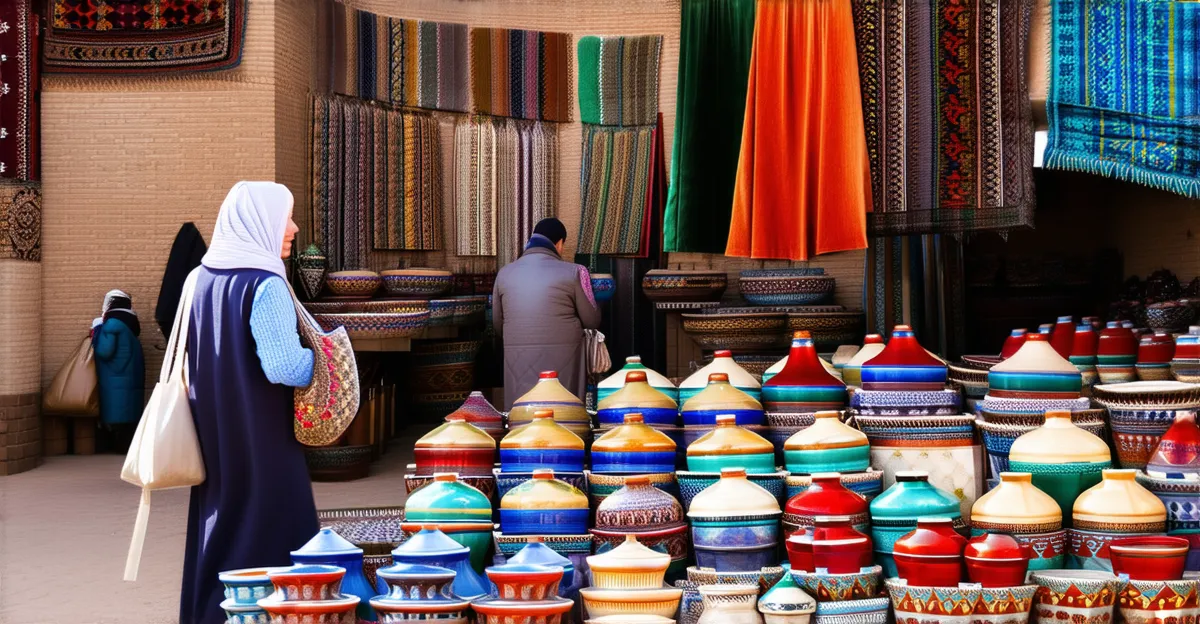
Khiva, a historic gem in Uzbekistan, showcases vibrant local markets that are essential to its cultural identity. These markets are more than just places to shop; they are lively hubs where locals converge to buy and sell their goods. The atmosphere is bustling with energy, offering visitors a glimpse into daily life. As you wander through the markets, you’ll notice the colorful stalls filled with an array of fresh produce, spices, and handcrafted goods.
Did you know? The local markets reflect the rich heritage of Khiva, combining traditions with the vibrancy of modern life!
The Khiva local markets are also a feast for the senses, with fragrant spices wafting through the air and cheerful vendors showcasing their products. Spotting unique textiles, traditional ceramics, and local delicacies gives you a true taste of Khiva’s rich offerings. Engaging with the friendly locals adds to the charm, making it an enriching experience that you wouldn’t want to miss during your visit.
2. Exploring the Khiva Sunday Market: A Culinary Adventure
The Khiva Sunday Market is a must-visit for any food lover. Held weekly, this market transforms into a culinary adventure, showcasing an extraordinary variety of local produce and delicacies. As you stroll through the market, you’ll be greeted by tantalizing aromas of street food and the sight of colorful fruits and vegetables.
Must-try dishes include fresh plov, a traditional Uzbek rice dish often sold by local vendors. Additionally, sampling homemade pastries and sweet treats can be quite delightful. The atmosphere here is vibrant, with locals haggling for the best prices, making it an iconic place to experience Khiva local markets in full swing.
Pro Tip: Visit early to enjoy the freshest selections and experience the market at its liveliest!
Not only does the Sunday Market offer quick bites, but it also highlights the culinary traditions of Khiva, making it a wonderful destination for food enthusiasts.
3. Mastering Plov: Khiva’s Iconic Dish at the Markets
🌟 Local Expert Tip: Get the most out of your Khiva visit with guided tours!
No visit to Khiva would be complete without indulging in plov, the most iconic dish of Uzbek cuisine. At the local markets, you can find vendors specializing in this savory rice dish, made with lamb, carrots, and a blend of spices. Each vendor has their own recipe, ensuring a unique taste experience with every serving.
Plov is more than just a meal; it is a significant part of Khivan culture. Traditionally, this dish is prepared for special occasions and gatherings. While exploring the Khiva local markets, look out for stalls featuring steaming pots of plov, where you can savor its aromatic flavors.
Did you know? In Khiva, a communal serving of plov symbolizes unity and friendship!
Be sure to enjoy it with a side of fresh bread and a cup of tea, making it a complete local meal. Finding the best plov can become a delightful quest that showcases the heart of Khiva’s culinary landscape.
4. Spices and Herbs: Aromas of Khiva Local Markets
The Khiva local markets are a feast for the senses, especially when it comes to spices and herbs. As you wander through the bustling stalls, the vibrant colors and aromatic scents fill the air, inviting you to explore. Various spices are essential to Uzbek cuisine, and they play a significant role in flavoring traditional dishes.
In Khiva’s markets, you’ll find popular spices such as cumin, coriander, and paprika, which are essential in many meals. Vendors proudly display dried herbs like oregano and thyme, which bring depth and character to everyday cooking. Additionally, saffron and sumac are also favorites among locals, offering a unique twist to traditional recipes.
Pro Tip: Don’t hesitate to engage with the vendors. They often share recipes and cooking tips that enhance your culinary knowledge!
Exploring the spice section of the market not only allows you to discover new flavors but also gives you a glimpse into the culinary traditions of Uzbekistan. The rich aromas are sure to leave a lasting impression that stays with you long after your visit.
5. Traditional Uzbek Bread: The Heart of Khiva’s Cuisine
One cannot speak of Khiva’s culinary culture without mentioning traditional Uzbek bread, known as lepeshka. This round, flat bread is a staple found in every meal, and it is often baked in a traditional clay oven called tandyr. The process is an art, and you can watch as the bakers skillfully prepare the dough, shaping it before placing it inside the hot oven.
In the Khiva local markets, you’ll encounter various types of bread. The most distinctive feature of Uzbek bread is its crackly crust and soft, fluffy interior. Bread is not just a side item; it holds a cultural significance and is considered a symbol of hospitality.
Did you know? In Uzbekistan, bread is treated with great respect, and it’s common to find locals placing it on linen, never letting it touch the ground.
When visiting Khiva, these breads are often sold fresh at the local markets. Make sure to buy some and enjoy it warm with local dishes to fully appreciate its flavor and texture.
6. Fresh Fruits and Vegetables: Seasonal Delights in Khiva
Khiva’s local markets burst with a wide array of fresh fruits and vegetables that reflect the region’s rich agricultural bounty. Seasonal variations mean that visitors can enjoy an impressive selection, from juicy melons in summer to crisp pomegranates and apples in autumn. You will be amazed by the bright colors and flavors that these local produce offer.
As you stroll through the markets, don’t miss the standout staples such as tomatoes, cucumbers, and aromatic herbs, all essential in creating traditional Uzbek salads and stews. The freshness of these ingredients is remarkable and is a testament to the dedication of local farmers.
Pro Tip: Try seasonal fruits directly from the vendors. They are not only fresher but also relatively inexpensive!
Incorporating these fresh ingredients while exploring Khiva’s local markets not only enhances your culinary experience but also connects you to the culture and traditions of this enchanting city.
7. Khiva Handicrafts: Unique Souvenirs from the Markets
🌟 Local Expert Tip: Get the most out of your Khiva visit with guided tours!
Khiva local markets are a treasure trove of beautiful handicrafts that reflect the rich cultural heritage of Uzbekistan. Here, you can find intricate carpets, hand-painted ceramics, and traditional textiles that make for perfect souvenirs. Every item tells a story and connects you to the craftsmanship of the local artisans.
While exploring the markets, be sure to look for suvenirs like silk scarves, which showcase the famed Ikat patterns, or delicately woven baskets that exhibit the skill of local weavers. Moreover, wooden crafts, including intricately carved items, offer a glimpse into traditional Uzbek artistry.
Pro Tip: Don’t hesitate to engage with the artisans; their stories add value to each piece you purchase.
Where to shop: The Khiva Bazaar and Chor-Minor Souq are great places to explore. You’ll find various stalls filled with charming handicrafts that are unique to the region.
8. Taste Testing: Sweet Pastries of Khiva
When visiting Khiva, you cannot miss the delightful array of sweet pastries available in the local markets. One of the most popular treats is Baklava, which is rich, flaky, and filled with nuts and sweet syrup. You will also find halva, a confection made from ground sesame or sunflower seeds, often lightly flavored with spices.
Another must-try is the chuchvara, which are dumplings filled with meat, typically served with a tangy sauce. Don’t forget to sample local specialties like non (bread) topped with sesame seeds, which pairs perfectly with these sweet treats.
Fun Fact: Enjoying pastries with a cup of local tea is a cherished custom and enhances the overall tasting experience.
Where to taste: Check out Shirin and Oydin, popular local stalls famous for their mouthwatering pastries and desserts.
9. Tea Culture in Khiva: Enjoying Chai at Local Stalls
In Khiva, the culture of tea drinking is deep-rooted, making it an integral part of the local lifestyle. You can find numerous local stalls serving chai (tea) that invite visitors to experience this soothing beverage. Whether you prefer green or black tea, the warmth of chai is perfect after a long day of exploring.
Local tea shops are often decorated with traditional décor, creating a cozy environment for relaxation. As you sip on your tea, enjoy a complimentary side of bread or pastries, enhancing the flavor and experience of your drink. Many locals consider it a social activity, sharing stories and laughter over a pot of steaming tea.
Pro Tip: Always accept the offer of tea; it’s a gesture of hospitality that you’ll come to appreciate.
Where to enjoy: Try Chai Khana near the marketplace for an authentic local experience, as well as Nazar’s Tea House known for its welcoming atmosphere and delicious beverages.
10. Dining Experiences Near Khiva Local Markets
🌟 Local Expert Tip: Get the most out of your Khiva visit with guided tours!
When visiting the Khiva local markets, you will discover a variety of dining options that reflect the rich flavors of Uzbek cuisine. The markets themselves often feature small stalls offering quick bites, but just a short walk away, you will find inviting restaurants and cafés that provide a more extensive dining experience.
One popular spot is Restaurant Khorezm, known for its authentic dishes and welcoming atmosphere. Here, you can indulge in traditional Uzbek specialties while enjoying views of the bustling market. Another great option is Marco Polo Café, which offers a blend of local and international cuisine, making it a perfect stop for travelers seeking variety.
Additionally, you must try Plov at Plov Center, where this versatile dish is perfectly crafted and served in a variety of styles. Don’t forget to complement your meal with delicious Uzbek bread, a staple that is served alongside almost every meal in the region.
Pro Tip: For the best dining experience, visit during mealtime to savor fresh, local dishes while enjoying the vibrant market atmosphere.
As you explore the area, you can’t go wrong with stopping at the numerous tea houses where you can relax with a cup of traditional chai, making it a perfect way to finish your day at the Khiva local markets.
Khiva’s local markets are not just places to shop; they are vibrant centers of culture where food, tradition, and community converge. Whether you’re tasting the sumptuous plov or shopping for unique handicrafts, each experience contributes to a deeper understanding of the Uzbek way of life. Share your favorite local market experiences or plan your visit to Khiva to discover the flavors of this beautiful city!
Frequently Asked Questions
A: Plov, shurpa, and samsa are essential local dishes to experience.
A: Sundays are particularly lively with the weekly market offering a variety of goods.
A: Yes, many stalls offer vegetable-based dishes and salads.
A: Yes, bargaining is common and expected when shopping in markets.
A: Spices, dried fruits, handmade crafts, and traditional textiles are popular.
A: Most markets are centrally located and within walking distance of major attractions.