
Kerobokan Cuisine: Best Vegetarian Options to Try
Kerobokan cuisine delights with amazing vegetarian options. Explore the top plant-based dishes and dining spots in this food lover’s guide!
On this page
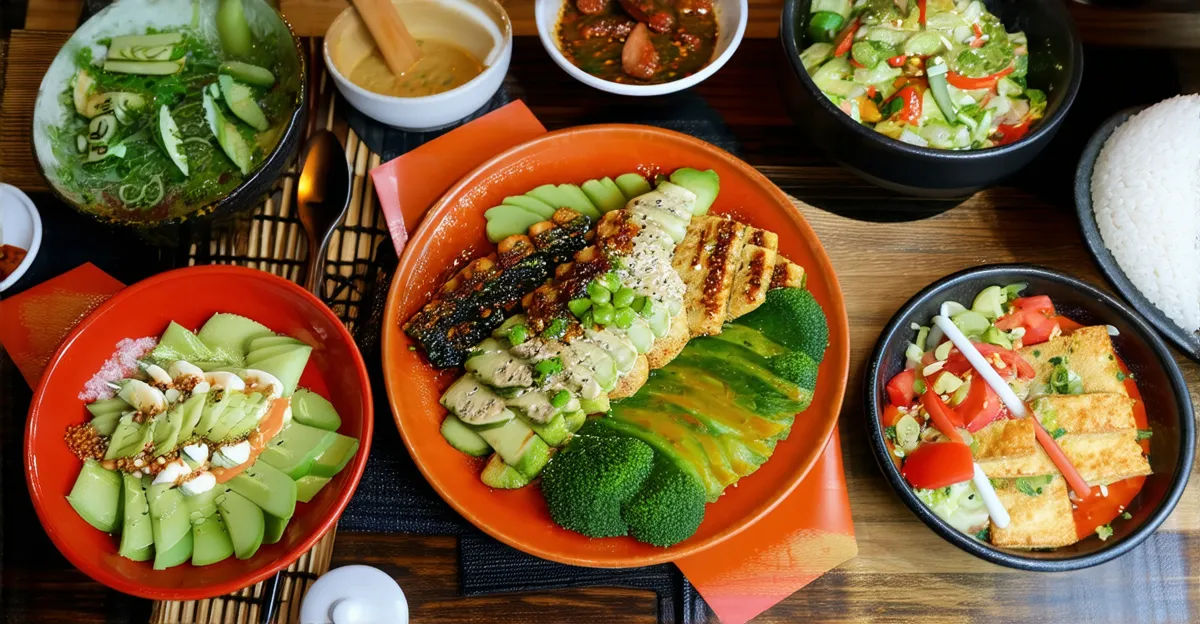
Nestled in the heart of Bali, Kerobokan’s cuisine is a treasure trove for food lovers, especially those seeking delectable vegetarian options. From locally sourced ingredients to vibrant flavors, Kerobokan showcases a unique blend of traditional Balinese and contemporary culinary styles. This guide will take you through some of the best vegetarian dishes and dining experiences in Kerobokan, making it an essential stop for anyone looking to explore the rich vegetarian offerings of this beautiful region.
Key Takeaways
- Kerobokan cuisine offers an impressive array of vegetarian options rich in flavor and freshness.
- Signature vegetarian dishes like gado-gado and nasi campur highlight the region’s culinary diversity.
- Street stalls and local warungs provide affordable dining experiences for plant-based eaters.
- Engaging in cooking classes allows visitors to immerse themselves in Balinese vegetarian cooking.
1. Tempeh and Tahu: The Backbone of Balinese Cuisine
In Kerobokan, tempeh and tahu are vital components of the local vegetarian diet. Tempeh, a fermented soybean cake, is not only nutritious but also packed with protein. On the other hand, tahu, or tofu, offers a softer texture and versatility in various dishes. Both ingredients are celebrated for their ability to absorb flavors, making them excellent bases for a myriad of traditional Balinese recipes.
Moreover, due to their high nutritional value, they are a favorite among health-conscious diners. Traditionally, tempeh is often fried and served with spicy sambal, while tahu can be used in soups and salads. You’ll see them featured prominently in many local eateries, showcasing the rich culinary heritage of Bali.
Did you know? Both tempeh and tahu are not only delicious but also support local farmers who grow soybeans organically.
As you explore Kerobokan, make sure to try these staples. They provide a unique insight into Balinese vegetarian cuisine and highlight the importance of plant-based proteins in this vibrant culture.
2. Gado-Gado: A Flavor-Packed Salad
Gado-Gado is more than just a salad; it’s a vibrant amalgamation of steamed vegetables, tofu, and hard-boiled eggs all drizzled with a rich peanut sauce. This popular dish in Kerobokan showcases the colorful and diverse produce available in Bali, including beansprouts, carrots, and cabbage. The peanut sauce, made with crushed peanuts, tamarind, and chili, brings a delightful richness that ties all the ingredients together.
Moreover, this dish is often served as a hearty vegetarian option in local warungs, making it a favorite among both locals and visitors alike. You can customize your Gado-Gado by requesting it without the egg for a completely vegan experience.
Pro Tip: Pair Gado-Gado with a side of rice for a fulfilling meal that satisfies all your cravings.
Where to eat: Check out Warung Sopa, known for its authentic Gado-Gado, or Betelnut Cafe which offers a modern twist on this classic dish.
3. Nasi Campur: Balinese Mixed Rice with Veggie Goodness
🎯 Insider Tip: Discover the best Jakarta experiences with Viator Tours!
Nasi Campur is a traditional Balinese mixed rice dish that showcases a delightful range of flavors and textures. Typically served with a scoop of rice alongside an assortment of vegetables, sambal, and sometimes tempeh or tofu, this dish is a vegetarian’s paradise. The variety of toppings means each plate can be different, ensuring every bite is an adventure.
In Kerobokan, you can find many variations of Nasi Campur, catering to both vegetarian and non-vegetarian diets. Common toppings include sautéed greens, shredded coconut, and pickled vegetables. This mix reflects the island’s culinary diversity and the abundance of fresh, local produce.
Did you know? The word “campur” means “mixed,” which perfectly describes the joyous blend of flavors and colors in this dish.
For those looking to indulge, Nasi Campur is often available in local eateries like Warung Liku or Nasi Ayam Kedewatan Ibu Mangku, where you can enjoy an authentic Balinese experience.
4. Sate Lilit: Satay with a Vegetarian Twist
Sate Lilit is a unique Balinese dish that gives a vegetarian twist to traditional satay. While classic satays are typically made with meat, Sate Lilit substitutes minced tempeh or tofu mixed with shredded coconut and aromatic spices. This combination creates a delicious and flavorful skewer that is grilled to perfection.
Not only does Sate Lilit appeal to vegetarians, but it also offers a taste of Bali’s rich culinary heritage. The spices used, including lemongrass and galangal, give this dish a fresh and vibrant flavor. You can often find these skewers served with a side of peanut sauce, adding a nutty richness.
Pro Tip: Pair Sate Lilit with a chilly coconut drink for a tropical experience!
Where to eat: In Kerobokan, visit Warung Nia to enjoy their popular vegetarian version of Sate Lilit. This local eatery is loved for its authentic Balinese flavors and friendly atmosphere.
5. Balinese Vegetable Curry: A Creamy Delight
🎯 Insider Tip: Discover the best Jakarta experiences with Viator Tours!
Balinese Vegetable Curry is a creamy, aromatic dish that perfectly showcases the region’s fresh produce. Typically made with coconut milk and a blend of spices, this curry is both comforting and satisfying. The combination of vegetables, such as eggplant, green beans, and carrots, provides a burst of color and nutrition.
This curry is often flavored with traditional Balinese spices like turmeric and lemongrass, enhancing the overall taste. Additionally, adding tofu or tempeh makes it even richer in protein. Notably, the curry’s creamy texture complements steamed rice, creating a delightful meal.
Did you know? Balinese curries can vary in heat, so don’t hesitate to ask for a milder version if you prefer!
Where to eat: For an authentic Balinese Vegetable Curry, head to La Baracca in Kerobokan, known for their commitment to using fresh, local ingredients.
6. Smoothie Bowls: A Refreshing Treat
Smoothie bowls have gained popularity in Kerobokan, and they provide a nutritious and refreshing way to start your day. These bowls typically include a blend of fruits, vegetables, and sometimes yogurt, topped with various ingredients like granola, nuts, and seeds. Not only are they visually appealing, but they are also packed with vitamins and nutrients!
In Kerobokan, you can find a variety of flavors and combinations, from tropical fruit blends with mango and banana to green smoothies packed with spinach and avocado. This versatility allows everyone to find something they enjoy.
Pro Tip: Look for smoothie bowls made with local fruits for the freshest flavors!
Where to eat: Check out Mad Pops in Kerobokan, known for their creative smoothie bowls that highlight local ingredients.
7. Vegan Warung: Affordable Eateries in Kerobokan
Kerobokan is home to a variety of vegan warungs that serve delicious vegetarian options. These casual eateries are both affordable and filled with local flair. Here, you can immerse yourself in Balinese culture while enjoying nutritious meals. Whether you’re a local or a traveler, these places offer a taste of local ingredients cooked with love.
One of the popular choices is Warung Oles, which offers an array of vegetarian dishes, from flavorful rendang to savory stir-fries. Another excellent option is Earth Cafe, known for its organic and plant-based menu. Not only do these warungs provide affordable meals, but they also emphasize fresh, local produce.
Pro Tip: Keep an eye out for daily specials at these warungs for even more delightful vegetarian options!
As you explore these eateries, you’ll find many dishes packed with flavor, proving that Balinese cuisine accommodates vegetarian and vegan diets beautifully.
8. Ubud Organic Market: Fresh Produce for Cooking
In the heart of Bali, the Ubud Organic Market is an essential stop for anyone seeking fresh produce. Located just a short drive from Kerobokan, the market thrives with vibrant fruits, vegetables, and herbs. Visitors can hand-pick local ingredients perfect for vegetarian cuisine.
The market operates every Wednesday and Saturday, with an array of vendors selling organic and sustainably grown products. You can find staples like tempeh, tofu, and a variety of leafy greens. Moreover, artisanal products such as homemade jams and spice mixes are also available.
Did you know? Shopping at the Ubud Organic Market not only supports local farmers but also ensures you’re eating the freshest ingredients in your meals.
Whether you’re cooking at home or participating in a cooking class, this market offers everything you need for healthy vegetarian options in Kerobokan.
9. Plant-Based fine dining in Kerobokan
🎯 Insider Tip: Discover the best Jakarta experiences with Viator Tours!
For those looking for a more upscale dining experience, Kerobokan offers a range of plant-based fine dining options that merge creativity with Balinese traditions. These restaurants provide a unique chance to indulge in gourmet dishes made from fresh local ingredients and crafted by talented chefs.
One must-try restaurant is Peloton Supershop, which features an innovative vegan menu with dishes like their signature chickpea burger and luscious smoothie bowls. Similarly, Kismet Restaurant & Lounge offers a delightful dining experience that includes beautifully presented vegetarian dishes that tantalize the taste buds.
Pro Tip: Be sure to make a reservation, especially on weekends, as these popular spots can fill up quickly!
Dine in style while enjoying the rich flavors of Balinese and international cuisine, showcasing the diversity of Kerobokan vegetarian options.
10. Cooking Classes: Learn Balinese Vegetarian Dishes
For those eager to immerse themselves in Balinese cuisine, taking a cooking class is an excellent way to learn about kerobokan vegetarian options. These classes often emphasize fresh and local ingredients, guiding participants through the preparation of traditional dishes with a vegetarian twist. Not only do you get to learn about the cooking techniques, but you also gain knowledge about the cultural significance of each dish.
Many cooking schools in Kerobokan offer an array of classes ranging from beginner to advanced levels. Typically, classes will start with a visit to local markets to select fresh produce, followed by hands-on cooking sessions. You’ll learn how to make popular vegetarian dishes like Gado-Gado, Nasi Campur, and Balinese vegetable curry. Moreover, it’s a fantastic opportunity to meet fellow food enthusiasts and make new friends.
Pro Tip: Always ask the instructor for tips on sourcing ingredients at local markets when you return home.
Where to learn: Check out Bali Cooking Class for a comprehensive experience or Paon Bali Cooking Class for a more immersive cultural experience with expert chefs.
Kerobokan’s vegetarian cuisine reflects a vibrant tapestry of flavors and fresh ingredients that cater to all tastes. Whether indulging in traditional dishes or discovering modern vegan eateries, food lovers will find plenty to savor here. Ready to explore the best vegetarian options in Kerobokan? Start planning your culinary adventure today and don’t forget to share your favorite dishes with fellow food enthusiasts!
Frequently Asked Questions
A: Kerobokan is famous for dishes like gado-gado, tempeh, and nasi campur.
A: Yes, local warungs and cafes offer budget-friendly vegetarian meals.
A: Absolutely! Many restaurants cater to vegan diets with delicious options.
A: Be sure to try tempeh, gado-gado, and Balinese vegetable curry.
A: Yes, many places offer cooking classes specializing in Balinese vegetarian cuisine.
A: The Ubud organic market and local markets have a great selection of fresh produce.