
Kathmandu Cuisine: Explore Traditional Dishes of Nepal
Kathmandu traditional dishes are a feast for the senses! Discover authentic flavors and local dining spots that showcase Nepal’s culinary heritage.
On this page
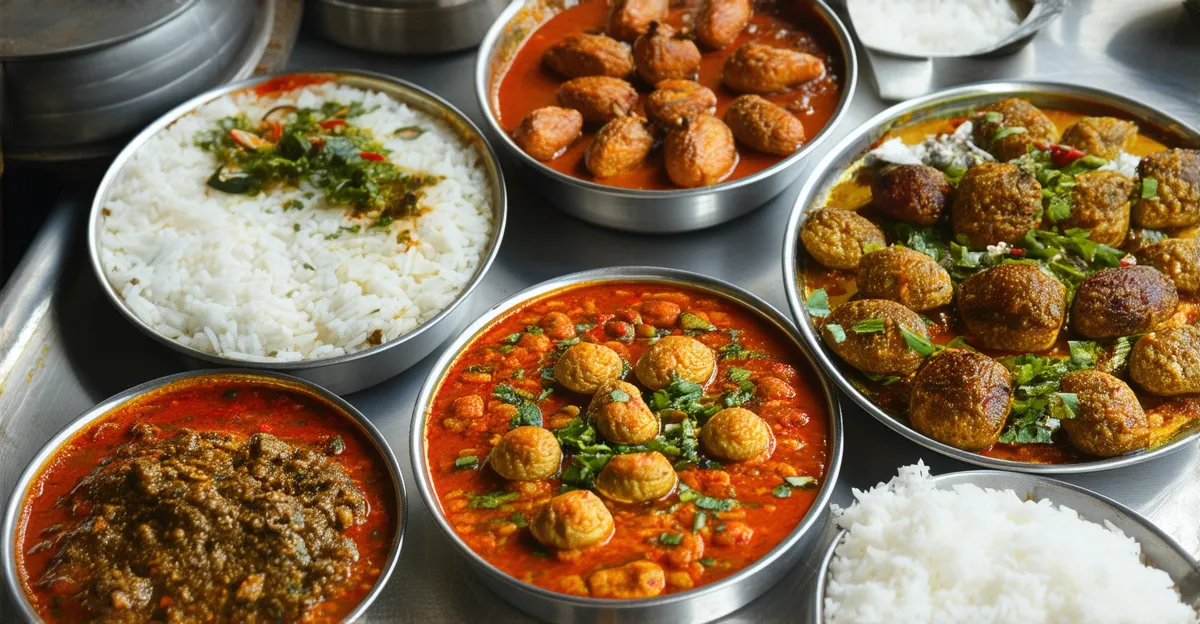
Kathmandu’s culinary landscape reflects the rich cultural tapestry of Nepal, blending flavors and traditions from diverse ethnic groups. From the iconic momo dumplings to hearty dal bhat, Kathmandu traditional dishes offer a unique and unforgettable dining experience. Explorers and food lovers alike are drawn to the vibrant markets and local eateries where they can savor the essence of Nepali cuisine. This guide highlights must-try dishes and the best dining spots to indulge in authentic flavors as you navigate the heart of Nepal’s capital.
Key Takeaways
- Kathmandu traditional dishes reflect the country’s rich cultural tapestry and heritage.
- Must-try classics include momo, dal bhat, and Newari dishes.
- Local eateries and street food stalls provide authentic dining experiences.
- Join cooking classes to immerse yourself in the flavors of Kathmandu.
1. Momo: Nepal’s Beloved Dumplings
Momo, a must-try when exploring Kathmandu traditional dishes, are dumplings that have won the hearts of many. These delightful pockets of flour are filled with either juicy meat or vegetables, and they’re seasoned with a blend of spices that reflects the richness of Nepali cuisine. Whether steamed or fried, momos are often served with a tangy tomato-based dipping sauce known as achar.
Visiting local eateries, you’ll find that different regions in Nepal have their unique variations of these dumplings. In Kathmandu, momo stalls are ubiquitous and a perfect stop for satisfying your cravings. While they are delightful as a snack, they also make for a hearty meal.
Pro Tip: Don’t forget to try both the steamed and fried variations to discover your favorite!
Where to eat: For some of the best momos in the city, head to Shyama Momo or Gorkha Momo, where authenticity meets deliciousness.
2. Dal Bhat: The Heart of Nepali Meals
Dal Bhat, a staple in Nepalese households, is considered the heart of Kathmandu traditional dishes. This comforting dish consists of steamed rice (bhat) served with a lentil soup (dal) and a variety of accompaniments like pickles, vegetables, and sometimes meat curries. It’s not just a meal; it’s a way of life for many Nepalese people.
The beauty of dal bhat is in its simplicity yet diverse potential. Depending on the season and locality, the side dishes can vary, offering different flavors and textures. This makes each meal a unique experience, reflecting the rich cultural tapestry of Nepal.
Did you know? Eating dal bhat provides a perfect balance of carbohydrates and protein, making it a nutritious choice!
Where to eat: Visit Dwarika’s Hotel or Thakali Kitchen to experience an authentic dal bhat served in traditional style.
3. Newari Cuisine: A Flavorful Heritage
💡 Pro Tip: Book your Kathmandu adventures in advance through Viator for the best deals!
Newari cuisine, originating from the Newar community, offers some of the most distinctive Kathmandu traditional dishes. It is known for its unique flavors, textures, and elaborate cooking methods. Dishes like Yomari and Kwint showcase culinary craftsmanship that has been passed down through generations.
Newari meals are often a feast for special occasions and involve a variety of components, including spicy meats, fresh vegetables, and fermented foods. They highlight the importance of communal eating, where friends and family gather to enjoy a rich spread of flavors that define the Newari heritage.
Pro Tip: Make sure to try Chayo, a traditional drink often served during Newari feasts!
Where to eat: Some great places to savor Newari cuisine include Krishna Shrestha’s Restaurant and Yalambar Restaurant, where rich flavors await.
4. Sel Roti: Traditional Nepali Rice Donuts
Sel Roti is a cherished traditional snack in Nepal, especially popular during festivals and celebrations. These delectable rice donuts are made from rice flour, sugar, and a pinch of salt. The batter is mixed to achieve a smooth consistency, which is then deep-fried until golden and crispy. The outer layer offers a satisfying crunch, while the inside remains soft and slightly chewy.
This popular treat is not only a festive delight but is also enjoyed as a regular snack with tea or coffee. Many people in Kathmandu look forward to Sel Roti during Dashain and Tihar, major Nepali festivals. The aroma of frying Sel Roti fills the air, inviting everyone nearby to indulge.
Pro Tip: Try pairing Sel Roti with spicy curries or relish them plain for an authentic taste of Kathmandu’s traditional dishes!
Where to eat: You can find delicious Sel Roti at local eateries or street vendors around the Kathmandu Durbar Square. Bishnumaya Sweets is particularly famous for its homemade varieties.
5. Kwint: The Spicy Mutton Delight
Kwint is a spicy mutton dish that showcases the rich flavors of Nepali cuisine. This traditional recipe involves marinating tender pieces of mutton in a blend of spices, including garlic, ginger, and various aromatic herbs. After marination, the meat is slow-cooked until it becomes juicy and flavorful, absorbing all the spices.
Often served with rice or flatbreads, Kwint offers a satisfying and hearty meal suitable for special occasions. It reflects the culinary heritage of Nepal and is a favorite among meat lovers. Additionally, Kwint is typically enjoyed during celebrations, making it an integral part of Kathmandu’s traditional dishes.
Don’t miss out! Pair Kwint with a side of pickles to balance its spicy flavors for an unforgettable dining experience.
Where to eat: For the finest Kwint, visit Pashupatinath Restaurant or Thakali Kitchen, where you can enjoy this dish in a cozy environment.
6. Yomari: Sweet Steamed Dumplings
Yomari is a traditional sweet treat that holds a special place in Nepali festivals, especially during the New Year and during special celebrations. These dumplings are made from rice flour dough and are typically filled with a mixture of jaggery, coconut, and sesame seeds. The dumplings are then steamed to create a luscious, soft texture.
This delightful dish is not just a dessert; it is also a symbol of culture and tradition. The presentation of Yomari is beautiful, often molded into intricate shapes that depict various cultural motifs. The sweet filling offers a unique taste that perfectly complements the light, chewy outer layer.
Tip: Enjoy Yomari as a dessert after a spicy meal, as the sweetness provides a perfect contrast to the spices!
Where to eat: You can find Yomari at local bakeries and during festivals. For an authentic experience, try Bouddha Stupa Yomari, known for its delicious offerings.
7. Gundruk: Fermented Leafy Greens
💡 Pro Tip: Book your Kathmandu adventures in advance through Viator for the best deals!
Gundruk is a traditional dish that showcases the essence of Nepali cuisine. This fermented food is made from dried leafy greens, primarily mustard leaves or spinach. Gundruk holds a special place in Kathmandu’s culinary landscape, as it not only offers a unique flavor but also serves as a source of nutrition, especially during the colder months. The fermentation process enhances its tangy taste, making it a perfect side dish.
Typically, Gundruk is prepared as a achar (pickle) or added to different curries and soups. When you visit local eateries, you’ll often find it served alongside Dal Bhat. Its distinct taste complements a variety of Nepali meals. Moreover, Gundruk is rich in vitamins and minerals, making it a healthy addition to the diet.
Pro Tip: For an authentic experience, try Gundruk with a splash of lemon juice to accentuate its flavors!
Where to eat: You can try Gundruk at Thakali Kitchen or Bhaktapur Durbar Square’s local eateries, where traditional ingredients are celebrated in every dish.
8. Dhido: A Nutritious Alternative to Rice
Dhido is another beloved dish that stands as a nutritious alternative to rice in Nepal. Prepared using buckwheat or millet flour, it’s a staple among the locals, especially in hilly regions. The dish has a sticky texture and is often served with various curries or pickles, making for a wholesome meal.
Unlike rice, Dhido provides a unique nutty flavor and boasts higher fiber content. It’s also gluten-free, catering to those with dietary restrictions. Additionally, the process of making Dhido requires skill—it’s cooked in a pot while stirring continuously, resulting in its dense, yet soft consistency.
Did you know? Dhido is traditionally eaten with hands, allowing you to truly connect with the meal.
Where to eat: For the best Dhido in Kathmandu, head to Newari Kitchen or Sajilo Kitchen. These restaurants offer traditional preparations that highlight the beauty of Nepali dishes.
9. Aloo Tama: Bamboo Shoot and Potato Curry
Aloo Tama is a delicious curry that showcases the vibrant flavors of Nepali cuisine. Primarily made with potatoes and fermented bamboo shoots, this dish is a fantastic representation of local ingredients and culinary traditions. The bamboo shoots impart a unique tangy flavor, enhancing the overall taste of the curry.
This dish is often enjoyed during special occasions and is known for its health benefits as both potatoes and bamboo shoots are rich in nutrients. Additionally, Aloo Tama is typically spiced with a medley of herbs and spices, adding depth to its flavor profile. The combination makes it a comforting option, particularly during cooler weather.
Pro Tip: Pair Aloo Tama with steamed rice for a fulfilling and traditional Nepali meal.
Where to eat: You can savor Aloo Tama at Mezze by Roadhouse or Bhojan Griha in Kathmandu, both known for their authentic Nepali cuisine.
10. Local Thali: A Culinary Feast
💡 Pro Tip: Book your Kathmandu adventures in advance through Viator for the best deals!
The Local Thali is a quintessential aspect of Kathmandu traditional dishes that showcases the rich diversity of Nepali cuisine. A typical thali consists of various small portions of nutritious food, arranged on a large plate. It often includes rice, lentil soup (dal), seasonal vegetables, and a range of pickles, making it a complete meal in itself. The flavors can vary widely, bringing together spices and ingredients unique to different regions of Nepal.
Additionally, a thali may feature meat dishes, such as chicken or goat curry, alongside an array of side dishes that complement the main offerings. This culinary experience not only pleases the palate but also reflects the hospitality of Nepali culture, as meals are traditionally shared among family and friends.
Pro Tip: Don’t miss trying the different thali variations at local eateries in Kathmandu for an authentic taste!
Where to eat: Head to Kanchan Restaurant for a fulfilling thali or try Thakali Bhanchha Ghar for a delightful presentation of traditional flavors.
11. Sake: Traditional Nepali Rice Beverage
Sake, often mistaken for the Japanese rice wine, has a unique identity in Nepal—especially in Kathmandu. Known locally as chang or rice beer, this beverage is made by fermenting rice, millet, or barley. Its taste is slightly sweet, mildly alcoholic, and effervescent, making it a refreshing choice for different occasions.
This traditional drink holds cultural significance and is commonly served during festivals, weddings, and communal gatherings, fostering a spirit of togetherness. Interestingly, the brewing process can vary significantly from household to household, giving rise to different flavors and strengths.
Did you know? Sake is often paired with spicy dishes to balance flavors and enhance the dining experience.
Where to drink: For a local experience, visit Samay Baji or Nepalese Kitchen where you can enjoy authentic versions of this cherished beverage.
12. Bhuteko Bhindi: Spicy Fried Okra
Bhuteko Bhindi is a popular dish in Nepali households and showcases the use of fresh, local ingredients common in Kathmandu traditional dishes. This dish features okra that is seasoned with various spices and then fried to crispy perfection. The preparation generally includes mustard seeds, turmeric, and chili for that extra kick.
Not only is this dish delicious, but it also serves as a nutritious side to accompany meals, especially with rice and dal. Its enticing aroma and vibrant color make it a favorite among both locals and visitors.
Pro Tip: To experience the best Bhuteko Bhindi, look for stalls that specialize in home-style Nepali cooking.
Where to eat: For a delicious preparation, try Bhimsen Thapa restaurant known for its authentic fare, or Kantipur Restaurant which boasts various traditional delights.
13. Lassi: A Refreshing Yogurt Drink
Lassi is a traditional yogurt-based beverage that is immensely popular in Kathmandu and across Nepal. This drink is perfect for the hot and humid climate, offering a refreshing taste that cools you down. Generally, lassi comes in two main varieties: sweet and salty. The sweet lassi is made with yogurt, water, sugar, and flavored with cardamom or rose water, resulting in a creamy, aromatic drink. On the other hand, salty lassi is blended with spices like cumin and served chilled, making it both flavorful and thirst-quenching.
As you wander the streets of Kathmandu, don’t miss the chance to savor this delightful drink. It’s often served alongside meals or enjoyed as a standalone refreshment. You can find numerous street vendors and restaurants offering their unique take on lassi, each one bringing a delightful twist to this classic drink.
Pro Tip: Try adding a sprinkle of mint or a hint of mango puree for an extra burst of flavor!
Where to eat: For a fantastic lassi, visit OR2K in Thamel, known for its delicious food and vibrant atmosphere. Alternatively, check out Phosphate Café, which serves excellent sweet lassi, perfect to accompany your meal.
14. Spicy Chatamari: The Nepali Pizza
💡 Pro Tip: Book your Kathmandu adventures in advance through Viator for the best deals!
Chatamari, often referred to as the Nepali pizza, is a traditional dish that hails from the Newar community. This culinary delight features a base made with rice flour, creating a thin, crispy pancake. Topped with an array of ingredients like minced meat, eggs, vegetables, and spices, chatamari offers a unique blend of flavors and textures. The dish is typically seasoned with spices such as turmeric and coriander, providing a spicy kick that tantalizes your taste buds.
Often enjoyed as a snack or light meal, chatamari is perfect for those looking to explore Kathmandu’s diverse food scene. You can find it being sold in local eateries, and many places allow you to customize your toppings to suit your preferences. It’s even popular during local festivals and celebrations.
Did you know? Chatamari is sometimes made with a combination of lentils, catering to vegetarian preferences!
Where to eat: Try Newa Chaat Bhandar for some of the best chatamari in the city. Alternatively, head to Bhimsen St. Chatamari in the old city for authentic flavors.
15. Kheer: Sweet Rice Pudding
Kheer, a traditional Nepali rice pudding, is a beloved sweet dish often prepared for celebrations and festivals. Made from rice, milk, and sugar, this creamy delight is usually flavored with cardamom and garnished with nuts and raisins, adding layers of texture and flavor. The cooking process involves simmering the ingredients slowly, allowing the rice to soak up the milk, making Kheer truly scrumptious.
This delectable dessert is often enjoyed on special occasions, but it can also be found in many local restaurants and homes throughout Kathmandu. It embodies the essence of Nepali hospitality and is often served at family gatherings. Additionally, Kheer’s versatile nature allows for different adaptations, including variations with coconut or saffron.
Pro Tip: Don’t skip the toppings! Almonds and pistachios add a delightful crunch to the creamy pudding.
Where to eat: For a memorable kheer experience, visit Bouddhanath Stupa Café or the Fire and Ice Pizzeria in Thamel, where you can enjoy authentic flavors alongside stunning views of the city.
16. Sukuti: Spiced Dried Meat Snack
Sukuti is a beloved traditional snack in Kathmandu, often enjoyed with drinks or as a protein-packed treat on its own. Made from dried and typically spiced meat, it showcases the rich flavors of Nepali cuisine. The meat, usually goat or Buffalo, is marinated in a blend of spices including cumin, turmeric, and chili before drying. This process not only preserves the meat but also intensifies its flavor, making Sukuti a popular choice among locals.
This dish is often paired with a side of timmur (Sichuan pepper) for an extra kick, adding to its savory profile. Generally, Sukuti is found in taverns or local shops throughout Kathmandu. Consequently, it has also become a favourite street food offering for many, infusing the bustling atmosphere of the city with its enticing aroma.
Pro Tip: To experience Sukuti at its best, try it with a chilled glass of local rice beer!
Where to eat: Visit Chha Bhoke Jaat for some exquisite Sukuti or swing by Bhaktapur Durbar Square where street vendors offer this delightful snack.
17. Dhukur: A Traditional Indigenous Dish
Dhukur is a lesser-known yet significant dish in Nepali cuisine, especially among the indigenous communities in and around Kathmandu. This flavorful dish is primarily made with pigeon meat, which is marinated with a mixture of spices and herbs before being cooked to perfection. The meat tends to be tender and packed with rich flavor, making it a prized delicacy in local households.
Did you know? Dhukur is sometimes featured in traditional festivals, emphasizing the cultural ties of food in Nepali society.
Where to eat: You can find Dhukur at local restaurants such as Kamal Vinayak Restaurant or look for home-cooked offerings in local eateries near Pashupatinath Temple.
18. Seasonal Flavors: What’s Fresh in Kathmandu?
💡 Pro Tip: Book your Kathmandu adventures in advance through Viator for the best deals!
Kathmandu’s diverse climate allows for a vibrant range of seasonal foods. During spring, savor fresh vegetables like radishes and spinach. Summer introduces juicy fruits such as watermelon and mangoes, perfect for refreshing dishes and drinks. In autumn, complex flavors come alive with mushrooms and root vegetables, providing hearty additions to traditional meals.
Winters bring the refreshing taste of gundruk, a fermented leafy green that adds tanginess to soups and stews, making it a staple during colder months. Thus, seasonal ingredients play a crucial role in crafting authentic Kathmandu traditional dishes. Consequently, local chefs emphasize using fresh produce, which enhances both flavor and nutrition.
Pro Tip: Visit local farmers’ markets to discover seasonal vegetables and fruits straight from Nepali farms!
Where to experience: Explore places like Kathmandu Farmers’ Market or Thamel Market for the freshest seasonal produce and ingredients.
19. street food Experiences in Kathmandu
Exploring the vibrant street food scene in Kathmandu is a delightful way to experience Kathmandu traditional dishes. The city’s bustling streets offer an array of mouthwatering treats that blend flavors and cultures. One of the must-try street foods is momo, Nepali dumplings that can be steamed or fried, typically filled with vegetables or meat.
As you stroll through areas like Thamel or Asan, keep an eye out for food stalls selling chatamari, often referred to as Nepali pizza, made with rice flour and topped with a variety of ingredients. Additionally, the spicy aloo tama is a popular comfort food, blending bamboo shoots and potatoes in a delicious curry.
Pro Tip: Be sure to try deep-fried treats like sel roti or sample the refreshing lassi, a yogurt drink that’s perfect for cooling down!
For a more immersive experience, you could join a street food tour. These tours not only introduce you to local flavors but also the stories behind each dish.
20. Cooking Classes: Learn to Make Traditional Dishes
If you’re passionate about cooking, taking part in cooking classes in Kathmandu can be an unforgettable experience. These classes often focus on Kathmandu traditional dishes and provide a hands-on way to learn. Participants typically start by visiting local markets to select fresh ingredients, immersing themselves in the vibrant culture.
Classes often feature popular dishes such as dal bhat, the cornerstone of Nepali meals, and delicious yomari, which are sweet steamed dumplings. Not only do you learn recipes, but you also gain insights into the techniques and spices that make Nepali cuisine unique.
| Cooking Class Name | Location | Features |
|---|---|---|
| Kathmandu Cooking School | Thamel | Market tour included, hands-on experience |
| Spice Sadhana | Sanepa | Focus on traditional and modern fusion |
By participating in these classes, you can bring a piece of Nepal back home, enriching your culinary repertoire!
Kathmandu’s traditional dishes are an essential part of the city’s cultural tapestry, offering a delicious journey for every palate. From the delightful momo to the satisfying dal bhat, the culinary scene in Kathmandu invites you to savor its comforting and authentic flavors. Plan your visit today and indulge in the rich heritage of Nepali cuisine, sharing your favorite dishes and experiences along the way!
Frequently Asked Questions
💡 Pro Tip: Book your Kathmandu adventures in advance through Viator for the best deals!
A: Momo, dal bhat, kwint, and sel roti are among the most popular traditional dishes.
A: Look for local eateries in Thamel, Asan, and Bhaktapur for authentic Nepali cuisine.
A: Yes, many traditional dishes are vegetarian-friendly, making it easy to find plant-based options.
A: A traditional meal typically includes rice, lentil soup, vegetable curry, and meat dishes, served with pickles.
A: Street food can be safe to eat, but it’s advisable to try popular stalls with good hygiene practices.
A: Yes, events like Indra Jatra and Dashain feature traditional food offerings and local flavors.