
Kathmandu Spiritual Cuisine: Taste the Sacred Flavors
Explore Kathmandu spiritual cuisine with our guide to local flavors, sacred dishes, and food experiences that reflect Nepal’s rich heritage.
On this page
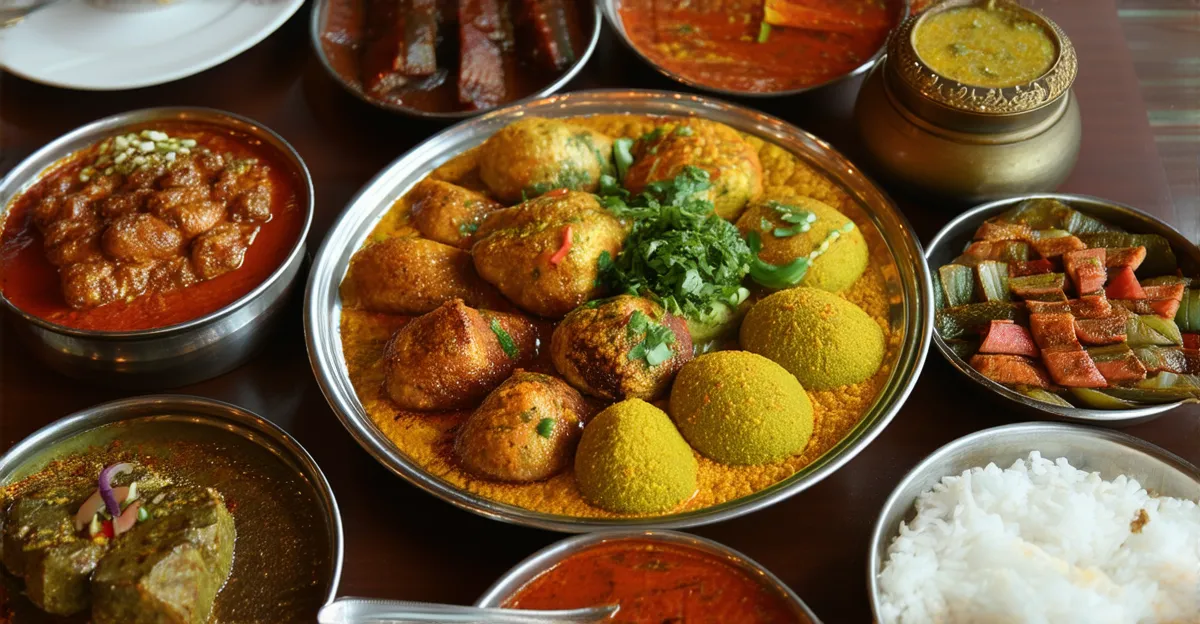
Kathmandu spiritual cuisine beautifully embodies the rich cultural tapestry of Nepal, harmonizing sacred traditions with culinary delights. From revered dishes served during festivals to intimate meals shared in local households, the gastronomy of Kathmandu offers an immersive journey for food lovers. This guide highlights must-try spiritual dishes, unique dining experiences, and sacred food traditions that make Kathmandu cuisine an essential exploration for anyone visiting this enchanting city.
Key Takeaways
- Kathmandu spiritual cuisine is a blend of sacred traditions and vibrant flavors.
- Signature dishes like dal bhat and momo reflect the city’s cultural heritage.
- Local dining experiences, from family gatherings to festivals, highlight communal spirit.
- Spiritual meals often play a vital role in festivals and religious observances.
- Kathmandu offers culinary experiences for all budgets, with something to suit every palate.
1. Newari Cuisine: The Heart of Kathmandu’s Culinary Traditions
Newari cuisine is the soul of Kathmandu’s spiritual cuisine, reflecting the rich cultural heritage of the Newar people. Known for its diverse flavors and intricate cooking techniques, Newari food is deeply rooted in tradition. The culinary style emphasizes balance and harmony, aligning perfectly with Nepal’s spiritual beliefs.
This cuisine is characterized by an array of vibrant dishes, often featuring unique spices and herbs. Additionally, it includes the use of ingredients like rice, lentils, and vegetables, which are staples in the Newari diet. Moreover, many dishes have ceremonial importance, often served during festivals and religious occasions.
Did you know? Newari cuisine showcases unique dishes such as Yomari and Samay Baji, which not only delight the palate but also symbolize auspiciousness in local traditions.
Dining on Newari cuisine is not just about nourishment; it is about experiencing the culture and traditions of Kathmandu. Whether you’re at a bustling market or a local restaurant, indulging in authentic Newari dishes is a memorable part of exploring the city.
2. Dal Bhat: The Spiritual Staple of Kathmandu Meals
Dal Bhat is more than just a dish; it is the spiritual staple of Kathmandu meals. This traditional Nepalese meal consists of lentil soup (dal) and steamed rice (bhat), served with an array of side dishes. It’s a simple yet wholesome dish that embodies the essence of Nepalese cuisine.
Throughout Kathmandu, you will find Dal Bhat served in homes and restaurants alike. Interestingly, this meal is a universal favorite among locals, often consumed daily. The lentils provide essential nutrients, while the rice gives energy. Furthermore, Dal Bhat is often accompanied by pickles, vegetables, or meat, depending on personal preferences.
Pro Tip: Pair your Dal Bhat with achar (pickles) to add an extra layer of flavor and spice!
When in Kathmandu, make sure to experience a traditional Dal Bhat meal. Not only is it delicious, but it also offers insight into the daily lives and cultures of the Nepali people.
3. Momo: Dumplings with Deep Cultural Significance
💡 Pro Tip: Book your Kathmandu adventures in advance through Viator for the best deals!
Momo, Nepal’s beloved dumplings, hold a special place in Kathmandu’s spiritual cuisine. These delightful pockets of joy are filled with minced meat or vegetables and then steamed or fried to perfection. Momo has a deep cultural significance, representing hospitality and community.
Momos are particularly popular during festivals and significant events, symbolizing unity among friends and family. Additionally, the process of making momo is often a communal activity, bringing people together. Once cooked, they are typically served with a spicy dipping sauce called achar, elevating their flavor.
Did you know? Momo can be found in various forms, including paneer momo for vegetarians and buff momo for meat lovers!
As you stroll through Kathmandu, numerous street vendors and restaurants offer freshly made momos. Trying this dish is essential for anyone wishing to experience the rich culinary traditions of the city.
4. Buddhist Offerings: Sacred Dishes in Kathmandu Cuisine
Kathmandu’s spiritual cuisine deeply reflects the rich traditions and beliefs of its Buddhist community. One of the most important aspects is the preparation of Buddhist offerings. These offerings are essential during religious ceremonies and consist of various dishes that are presented with great reverence and honor. Staples include fruits, rice, and vegetables, which symbolize purity and humility.
Moreover, many of these offerings are made with the intention of sharing the meal’s spiritual power. It is customary to prepare these offerings on auspicious days, as they are believed to bring blessings and peace. The concept of sattva, or purity of mind and spirit, influences the choice of ingredients as vegetarian dishes are favored to ensure non-violence towards living beings.
Did you know? These sacred dishes often feature subtle flavors that promote mindfulness and connection with the spiritual world.
When exploring Kathmandu, participating in a local ceremony or visiting a monastery can provide a profound insight into these sacred meals. Here, you can witness the preparation and experience the deep spiritual significance associated with food in the Buddhist faith.
5. Thukpa: Soulful Noodle Soup with a Spiritual Soul
Thukpa holds a special place in Kathmandu’s spiritual cuisine. This hearty noodle soup is not only nourishing but also deeply comforting. Originating from Tibetan culture, Thukpa has become a beloved meal among the people of Kathmandu. The dish typically consists of wheat noodles served in a rich broth, along with a variety of vegetables and sometimes meat.
Importantly, Thukpa symbolizes warmth and togetherness. Families often gather around a communal pot, sharing stories and laughter over steaming bowls of this delicious soup. It is particularly popular during winter and is considered a remedy for the cold. Moreover, Thukpa is usually enjoyed after completing a day of meditation or spiritual practice, enhancing its connection to the spiritual experience.
Pro Tip: To fully enjoy the Thukpa experience, ensure you add a splash of hot chili sauce for an extra kick!
Where to eat: For some of the best Thukpa in Kathmandu, visit Bouddha Stupa area, where local eateries serve steaming bowls that warm both body and soul.
6. Kir (Rice Beer): A Traditional Drink for Spiritual celebrations
Kir, or rice beer, is a traditional drink in Kathmandu with a profound connection to spiritual celebrations. Made from fermented rice, this locally brewed beverage is often consumed during festivals and important religious occasions. The brewing process itself is considered sacred, involving rituals that honor the earth and its resources.
Kir is not just any beverage; it serves as a symbol of community and hospitality. When shared among friends and family, it fosters bonds and enhances social connections. Additionally, during spiritual gatherings, Kir is offered to deities as a sign of respect and gratitude.
Did you know? In many traditions, Kir is believed to carry blessings and good fortune, making it a must-have during any spiritual celebration!
Where to drink: For an authentic experience, head to local festivals or visit traditional Nepali homes, where you can savor freshly brewed Kir with your meal, celebrating life and culture together.
7. Sukuti: Dried Meat with Rich Cultural heritage
💡 Pro Tip: Book your Kathmandu adventures in advance through Viator for the best deals!
Sikuti is a beloved dish in Kathmandu, showcasing the region’s rich cultural heritage. This dried meat, typically made from goat or buffalo, is seasoned with local spices and then sun-dried to achieve a chewy texture. It’s not only a nourishing food source but also a popular snack enjoyed during festivals and gatherings.
The preparation of sukuti is often a communal activity, bringing families and friends together. Once dried, it is commonly sautéed with spices and served alongside achar or other traditional sides. The dish holds significant cultural importance, reflecting the culinary traditions passed down through generations.
Fun Fact: Sukuti is often enjoyed with a drink of Kir, a traditional rice beer, making it an integral part of social celebrations in Kathmandu.
Where to eat: To savor authentic sukuti, visit Boulevard Sukuti known for its flavorful versions. Alternatively, Thakali Kitchen offers classic preparations that capture the essence of this traditional dish.
8. Achaar: Essential Nepali Condiments with Flavor and Reverence
Achaar, or Nepali pickles, is an indispensable part of Kathmandu’s culinary scene. These spicy, tangy condiments enhance the flavors of a meal and are typically made from a variety of ingredients like tomatoes, radish, and green chili. Achaar is often prepared with a perfect blend of spices, reflecting local taste preferences.
Not only does achaar elevate the taste of the main dishes, but it also embodies a sense of tradition and unity, as families often have their own secret recipes. This dish illustrates the importance of flavors in Kathmandu spiritual cuisine, bringing an extra layer of enjoyment to every meal.
Pro Tip: Try the tomato achaar at local eateries, known for its freshness and vibrant flavor.
Where to eat: You can enjoy achaar at Bougainvillea Restaurant, which serves a delightful range of these pickles along with traditional Nepali meals.
9. Puri and Chana: Fried Bread and Chickpeas Full of Flavor
Puri and chana is a beloved, hearty dish served widely in Kathmandu, especially during festive occasions and family gatherings. The dish consists of deep-fried bread known as Puri, accompanied by spiced chickpeas or chana. This combination provides a satisfying and flavorful meal.
The fluffiness of puris complements the robust flavors of the chickpeas, making it a favorite among both locals and visitors. Often enjoyed for breakfast or brunch, puri and chana exemplify the spirit of sharing and togetherness in Kathmandu’s culinary culture.
Did you know? Puri is not only a treat but also holds symbolic significance in various religious observances in Nepal.
Where to eat: For the best puri and chana, visit Garden of Dreams Café, which serves this dish in a beautiful setting. Another great spot is Matka Bhokana, known for authentic Nepali street food.
10. Traditional Sweets: Celebrating Life and Faith in Kathmandu
💡 Pro Tip: Book your Kathmandu adventures in advance through Viator for the best deals!
In Kathmandu, traditional sweets are not just an indulgence; they are an integral part of spiritual celebrations and cultural heritage. These sweets, often made during festivals, weddings, and religious rites, symbolize joy, prosperity, and unity. One popular sweet is Juju Dhau, also known as King Curd. This rich, creamy delicacy is made from Buffalo milk and is often offered to deities during rituals. It’s not just about taste; it carries deep significance in the spiritual cuisine of Kathmandu.
Mithai is another category of sweets, with varieties such as Sandesh and Laddu. These treats are often prepared during festivals like Dashain and Tihar and are a symbol of good fortune. Furthermore, the holy festival of Holi sees vibrant sweets like Gulab Jamun and Barfi being enjoyed among friends and family, celebrating color and unity.
Pro Tip: Be sure to try Kheer, a rice pudding made with milk and sugar, often served during religious ceremonies to bestow blessings.
Where to eat: Head to Bhimsensthan for authentic Juju Dhau, and don’t miss Bhaktapur Durbar Square where you can find delicious local sweets during festivals.
Kathmandu spiritual cuisine offers a unique blend of flavors and traditions that perfectly capture the essence of Nepal’s culture. From the warm hospitality of local homes to sacred meals shared during festivals, the culinary landscape is a rich tapestry waiting to be explored. Plan your food journey in Kathmandu and immerse yourself in its spiritual flavors!
Frequently Asked Questions
A: Kathmandu is renowned for its rich spiritual cuisine, featuring flavors from Newari traditions and a variety of local dishes.
A: Dal bhat, momo, thukpa, and sukuti are essential dishes that you shouldn’t miss.
A: Yes, many local dishes are vegetarian-friendly, with options like dal bhat and various achars.
A: Join local food tours, visit family-run restaurants, or take cooking classes for an authentic experience.
A: street food stalls and local eateries offer delicious and budget-friendly meals.
A: Yes, Kathmandu cuisine is influenced by Tibetan and Indian flavors, reflecting its diverse heritage.