
Jinja Food Markets: A Culinary Exploration
Discover Jinja food markets for authentic local flavors! From street food to unique delicacies, experience Uganda’s vibrant culinary scene.
On this page
Jinja, a picturesque city in Uganda nestled by the shores of the Nile River, offers a culinary adventure that’s as rich and diverse as its culture. Renowned for its vibrant food markets, Jinja is a haven for food lovers seeking authentic Ugandan flavors and unique local dishes. These bustling marketplaces are the heart of the city’s food scene, where traditional cooking methods and contemporary influences blend to create unforgettable culinary experiences. Whether you’re tasting fragrant spices, enjoying freshly prepared street food, or exploring artisanal products, Jinja food markets promise a delightful exploration of Uganda’s vibrant cuisine.
Key Takeaways
- Jinja food markets showcase a rich variety of local flavors and dishes.
- street food in Jinja offers exciting and affordable culinary options.
- Traditional Ugandan foods like posho, matoke, and tilapia are local highlights.
- Explore colorful fruits and spices that define Jinja’s unique flavor profile.
- Hands-on cooking classes in the markets allow for an immersive culinary experience.
1. Jinja Central Market: The Heart of Local Cuisine
Jinja Central Market is truly the heart of local cuisine in Jinja, Uganda. This bustling market offers a vibrant atmosphere, where local vendors showcase a variety of fresh produce, meats, and grains. To experience authentic Ugandan food culture, a visit to this market is essential.
As you walk through the market’s colorful stalls, the aroma of spices and fresh produce fills the air. Here, you can find everything from cassava and plantains to nuts and beans. Additionally, you will see locals discussing recipes and exchanging food tips, which highlights the sense of community surrounding this culinary hub.
Did you know? Jinja Central Market operates daily, making it a convenient spot for both locals and visitors seeking fresh ingredients.
Whether you’re shopping for ingredients to prepare traditional Ugandan dishes or looking for a quick snack, Jinja Central Market has something for everyone. Don’t miss the chance to engage with friendly vendors who are eager to share their culinary knowledge.
2. street food Delights: Tasting Jinja’s Best Bites
The street food scene in Jinja is an adventure waiting to happen. Vendors line the streets, offering an array of delectable bites that are perfect for a quick meal or snack. From samosas to kebabs, the options are endless!
One must-try street food item is Rolex, a local delicacy made with a chapati (flatbread) rolled with eggs and vegetables. The combination of flavors and textures makes it a favorite among both locals and tourists. Another popular option is matoke, steamed plantains that are often served with a tasty sauce.
Pro Tip: Don’t hesitate to try various dishes; street food is a great way to discover Jinja’s culinary diversity!
Many vendors offer their food at affordable prices, allowing you to sample a variety without breaking the bank. For the best street food experience, take a stroll through Jinja’s city center in the evening, when the food stalls are bustling with people.
3. Traditional Ugandan Dishes: A Must-Try at the Markets
🎯 Insider Tip: Discover the best Jinja experiences with Viator Tours!
When visiting the food markets in Jinja, experiencing traditional Ugandan dishes is a must. Staples such as posho (maize porridge) and luwombo (a rich stew made with protein and vegetables) can be found throughout the markets. These dishes reflect Uganda’s rich agricultural heritage and culinary practices.
Another local favorite is goribali, a fresh vegetable salad often served alongside grilled meats. The blend of spices used in these preparations adds unique flavors that are hard to resist. Locals often enjoy these meals with malwa (local brew), which complements the dishes perfectly.
Note: Traditional Ugandan meals are often served in large portions, making them perfect for sharing!
Where to eat: To taste authentic Ugandan dishes, head to the local food stalls in Jinja Central Market. You can also find delicious meals at restaurants like The Keep or Jinja Nile Resort, where traditional dishes are proudly featured on the menu.
4. Exotic Fruits and Vegetables: A Market Experience
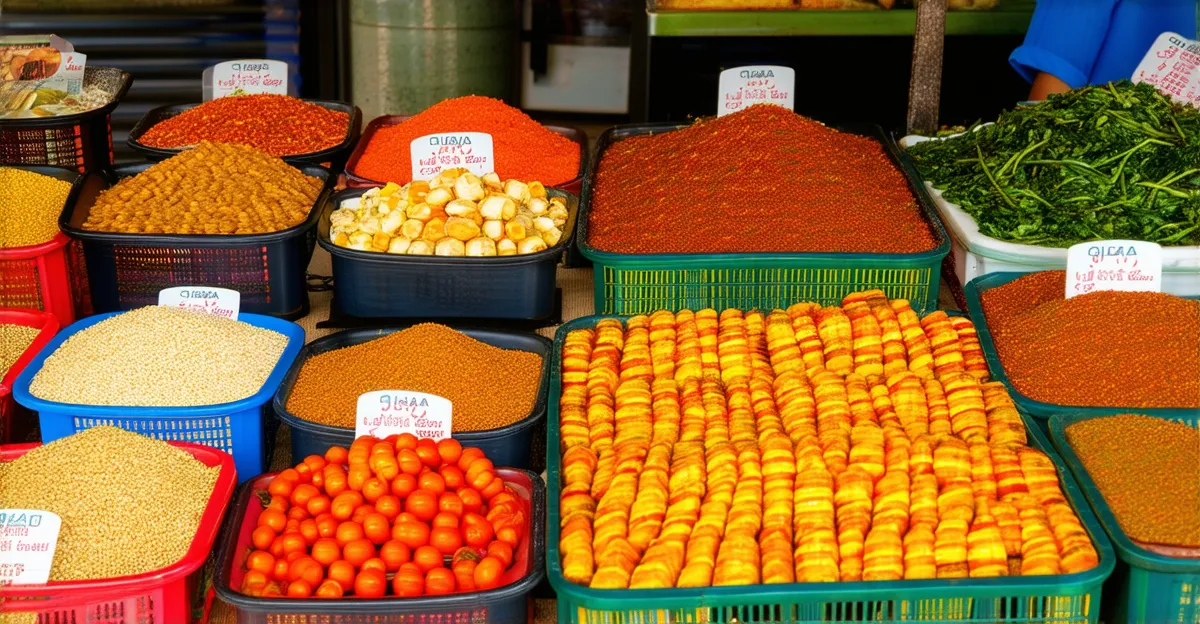
Visiting the Jinja food markets is an adventure for the senses, especially when it comes to exotic fruits and vegetables. Uganda’s diverse climate allows for a wide range of fresh and colorful produce. As you stroll through the vibrant stalls, you’ll find aromatic spices, rich green vegetables, and an array of fruits that are not commonly found elsewhere.
Some of the highlights include jackfruit, known for its unique texture and sweetness, and passion fruit, which adds a zesty flavor to local dishes. Furthermore, you can explore African eggplants and various leafy greens, all waiting to be tasted and purchased.
The market atmosphere is lively, and chatting with local vendors can enhance your experience. They often share tips on how to select the best fruits and vegetables for your meals, making it not just a shopping trip, but an educational adventure!
Pro Tip: Visit Jinja food markets early in the morning for the freshest produce and best variety.
5. Handcrafted Snacks: Discovering Local Favorites
🎯 Insider Tip: Discover the best Jinja experiences with Viator Tours!
While exploring the Jinja food markets, don’t miss the chance to sample some handcrafted snacks that are true local favorites. These delightful treats are often prepared right in front of you, showcasing the culture and culinary creativity of the region. Whether you are looking for savory or sweet options, Jinja has something for every palate.
One popular snack to try is kadam, made with fried dough that’s crispy on the outside and soft on the inside. Another must-try is matoke, a dish prepared from green bananas, typically steamed and served with various sauces. For those with a sweet tooth, puff-puff—fluffy dough balls sprinkled with sugar—is irresistible.
These snacks are not only delicious but also affordable. Enjoy them while walking around the market or pair them with a refreshing drink for a perfect afternoon snack.
Did you know? Handmade snacks are often cooked using traditional methods, preserving the authentic taste of Ugandan cuisine!
6. A Taste of Fresh Fish: Jinja’s Nile Delicacies
Fresh fish is a staple of Jinja’s culinary scene, thanks to its location along the banks of the Nile River. Visitors to the Jinja food markets can find a variety of fish, such as tilapia and catfish, caught daily. These fish are not only fresh but are also prepared in traditional ways that enhance their natural flavors.
When you explore the market, consider trying fried tilapia, a local favorite that is often served with a side of ugali or matoke. Alternatively, you can taste grilled fish, seasoned with local spices and served with a tangy sauce that adds a burst of flavor.
Don’t forget to engage with the vendors who are usually eager to share stories about their fishing practices and cooking methods. Such interactions provide a rich context to the food you are tasting.
Pro Tip: Pair your fish dishes with a cold local brew to enhance the experience!
7. Local Spices and Condiments: Flavoring Your Cooking
One of the standout features of the Jinja food markets is the vibrant variety of local spices and condiments available. These spices not only enhance the flavor of your dishes but also offer a glimpse into Uganda’s rich culinary heritage. Stop by stalls laden with colorful herbs like coriander, basil, and ginger, each carefully sourced from nearby farms.
Additionally, you will discover locally produced sauces such as relish and groundnut sauce, which are essential in Ugandan cuisine. To enrich your meals, sprinkle in some aromatic spices or drizzle a bit of these flavorful sauces.
Pro Tip: Experiment with combining different spices to create unique flavor profiles for your dishes!
Where to buy: For the freshest spices and condiments, visit the Jinja Central Market, where vendors are eager to share their knowledge and cooking tips.
8. Artisanal Crafts: Souvenirs from Jinja Markets
While exploring the Jinja food markets, don’t forget to take a moment to browse the numerous stalls showcasing artisanal crafts. From handmade baskets to intricate beadwork, these crafts reflect the rich cultural heritage of the region. Artists often use traditional techniques passed down through generations.
These unique crafts make for exceptional souvenirs that capture the essence of Jinja. When purchasing, you not only gain a beautiful item but also support local artisans and their communities.
Did you know? Many crafts are made using sustainable materials, making them an eco-friendly choice!
Where to shop: Head to the Jinja Craft Village or the various market stalls around the Jinja Central Market for a wide selection of these beautiful items.
9. Cooking Classes: Hands-on Experiences in Food Markets
🎯 Insider Tip: Discover the best Jinja experiences with Viator Tours!
If you want to delve deeper into the culinary scene of Jinja, participating in a cooking class is an excellent choice. Many local chefs offer hands-on experiences right in the Jinja food markets. Here, you can learn how to prepare traditional Ugandan dishes using fresh ingredients you select from the market.
Such classes often start with a guided tour of the market, giving you insight into selecting the best produce and spices. Then, you’ll engage in preparing mouthwatering dishes paired with local flavors. This immersive experience not only enhances your cooking skills but also allows for cultural engagement with local chefs.
Pro Tip: Take notes during the class; these recipes will be useful once you’re back home!
Where to learn: Check out workshops offered by Cooking with Mama Africa or local community centers for a variety of cooking classes that cater to all skill levels.
10. Best Times to Visit Jinja Food Markets
Visiting the Jinja food markets can be a delightful experience, but timing your visit can greatly enhance your adventure. Typically, the bustling Jinja Central Market is most vibrant during the mornings, especially from 8 AM to 12 PM. This is when vendors showcase their freshest produce and local delicacies, making it the ideal time to explore various stalls.
Moreover, weekends attract both locals and tourists, providing a lively atmosphere filled with chatter and the enticing aromas of street food. If you prefer a quieter experience, visiting during weekday afternoons can be beneficial. The market tends to be less crowded, allowing you to browse leisurely and engage with vendors.
Tip: For the freshest options and maximum variety in your shopping, aim to visit early in the morning. Don’t forget to sample some tasty snacks while you browse!
Lastly, note that the seasons can also influence the availability of certain fruits and vegetables. Therefore, checking the seasonal produce calendar might be useful to see what fresh goods will be in stock during your visit. Whether you’re a foodie or simply looking to experience local culture, timing your trip can lead to a more enriching exploration of Jinja’s culinary landscape.
Jinja food markets are a vibrant tapestry of flavors, colors, and experiences that reflect the essence of Ugandan cuisine. From savoring street food to exploring local dishes and fresh produce, each visit promises an unforgettable culinary journey. Plan a trip to Jinja, taste the local delicacies, and immerse yourself in the rich food culture that this charming city has to offer. Don’t forget to share your favorite dishes and experiences with fellow food enthusiasts!
Frequently Asked Questions
A: You must try posho, matoke, grilled tilapia, and street food snacks like samosas.
A: Yes, you can find plenty of vegetarian options, including fresh vegetables and traditional meals.
A: Morning hours are great for freshness, while afternoons are lively with street food vendors.
A: Absolutely! Markets in Jinja are filled with fresh spices, fruits, and vegetables.
A: Yes, Jinja is generally safe for tourists, but it’s wise to stay aware of your surroundings.
A: Carry small change for purchases and a reusable bag for any souvenirs or food items.