
Heimaey Traditional Cooking: Best Local Dishes
Discover Heimaey traditional cooking, featuring local seafood, lamb dishes, and unique culinary experiences in this guide for food lovers exploring this Icelandic gem.
On this page
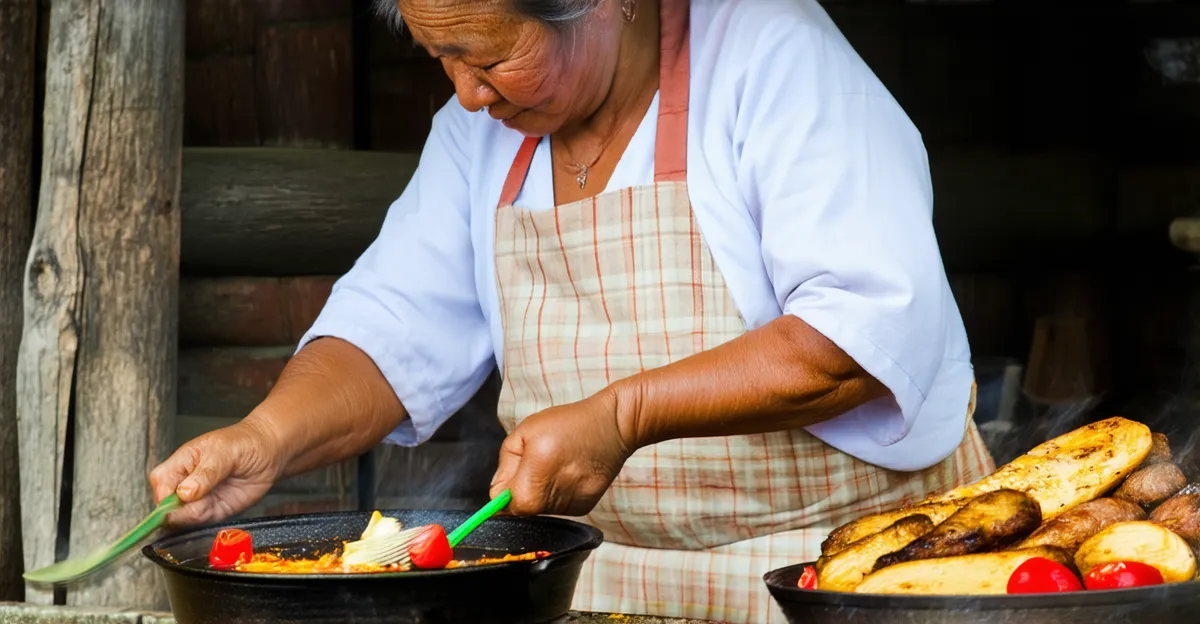
Heimaey, the largest island in the Westman Islands of Iceland, boasts a vibrant and unique culinary scene driven by its rich history and natural resources. Its traditional cooking emphasizes fresh seafood, locally-sourced lamb, and wild ingredients, making it a must-visit for food enthusiasts. Discover the local delicacies and culinary experiences that encapsulate the distinct flavors of Heimaey, inviting travelers to indulge in the island’s gastronomic treasures.
Key Takeaways
- Heimaey traditional cooking offers a rich variety of authentic local dishes.
- Signature culinary highlights include fresh seafood, lamb, and unique fermented foods.
- The island’s natural resources create a distinct flavor profile adored by locals and visitors alike.
- Food festivals and local eateries provide immersive experiences into Heimaey’s culinary scene.
1. Fresh seafood: The Soul of Heimaey Traditional Cooking
When it comes to Heimaey traditional cooking, fresh seafood plays a vital role. Nestled in the Westman Islands, Heimaey is surrounded by rich fishing grounds, making it a paradise for seafood lovers. The locals often catch a variety of fish daily, ensuring that dishes served are fresh and flavorful. Cod, haddock, and herring are some of the most popular seafood options, often prepared simply to let the natural flavors shine through.
More than just regular seafood, the traditional methods of preparation, such as smoking and curing, add a unique touch to these dishes. For instance, smoked fish served with homemade rye bread is a popular appetizer. Furthermore, locals might enjoy dishes such as plokkfiskur, a traditional fish stew that showcases the delicate taste of the sea.
Pro Tip: When dining in Heimaey, look out for dishes featuring freshly caught fish, particularly at local restaurants.
Where to eat: For an authentic seafood experience, try Gott Restaurant or Fiskikaffið, known for their fresh and delicious fish dishes.
2. Icelandic Lamb: A Heimaey Culinary Classic
Icelandic lamb is renowned for its unique flavor, shaped by the sheep grazing on wild herbs and grasses. In Heimaey, lamb dishes are a cherished part of traditional cooking. The island’s fresh air and lush pastures contribute to the tenderness and taste of the meat. Locals often roast the lamb, slow-cooked to perfection, resulting in succulent, flavorful dishes.
This delectable meat is frequently featured in soups, stews, or served with seasonal vegetables. One of the must-try dishes is lamb soup, a comforting meal that showcases the rich broth and tender meat.
Did you know? Icelandic lamb is often prepared in a traditional way during festive occasions, making it a cultural delicacy.
Where to eat: For a taste of this culinary classic, head to Fyrirheit for their famous lamb soup or try Bakarí Sandholt for a more unique twist on lamb dishes.
3. Unique Fermented foods: A Taste of Tradition
⭐ Recommendation: Don't miss out on amazing Reykjavik tours - book now!
Fermentation is a significant aspect of Heimaey traditional cooking, as it helps preserve food and enhance flavors. One of the most distinctive fermented dishes is hákarl, which is fermented shark. The preparation process is traditional and requires patience, as it involves burying the shark meat for months before it’s safe to eat. The result is a unique flavor that many adventurous eaters seek out.
Besides hákarl, locals also enjoy a variety of fermented foods, such as fermented fish and vegetables, which are often served as side dishes. These foods boast a tangy taste and a depth of flavor that reflects Heimaey’s rich culinary heritage.
Pro Tip: For the truly adventurous, trying hákarl is a quintessential experience tied to Iceland’s fishing culture.
Where to eat: The best place to sample these unique fermented delicacies is at local eateries like Þjóðsaga, known for showcasing traditional Icelandic cuisine.
4. local Baked Goods: Satisfying Sweet Cravings
When it comes to Heimaey traditional cooking, local baked goods offer a delightful contrast to the savory seafood dishes that the island is known for. One of the standout treats is pönnukökur, Icelandic pancakes that are thin, soft, and often served with sugar or jam. These pancakes are a favorite among locals and visitors alike, making them a must-try when you visit Heimaey.
Another beloved baked item is the skyrkaka, a creamy cheesecake made using the famed Icelandic skyr. This dessert is light yet rich, often topped with fresh berries to enhance its flavor. Additionally, you can find various rúgbrauð, a dark, dense rye bread that is subtly sweet. Traditionally, it is baked by burying it in the ground near a hot spring, allowing it to cook slowly.
Pro Tip: Pair these baked goods with a cup of Icelandic coffee for a truly satisfying experience.
Where to eat: Be sure to visit Gamla Vinhúsið for some delightful pancakes and to try the cheesecakes at Heimaey Bakery, where tradition meets deliciousness!
5. Saffron and Seaweed: Heimaey’s Unique Ingredients
⭐ Recommendation: Don't miss out on amazing Reykjavik tours - book now!
Saffron and seaweed are two unique ingredients that play a significant role in Heimaey traditional cooking. Saffron, though not indigenous, has found its way into several local recipes, elevating dishes with its vibrant color and flavor. Local chefs often use it in seafood dishes to create stunning presentations that celebrate the island’s bountiful ocean.
On the other hand, seaweed is deeply rooted in Icelandic culture. It is harvested from the shores surrounding Heimaey and adds a salty umami flavor to various dishes. One popular dish featuring seaweed is seaweed soup, which provides both depth and nutrition. Moreover, seaweed is often dried and used as a seasoning in many traditional recipes.
Did you know? Seaweed is not only a nutritious ingredient but is also admired for its sustainable nature, making it a perfect addition to modern diets.
Where to eat: Try saffron-infused dishes at Fiskfélagið, and for seaweed specialties, visit Pizzeria Kóbo, where local ingredients shine in their unique pizzas.
6. Whale Meat: Controversial Culinary Heritage
Whale meat holds a controversial place in Heimaey traditional cooking. While it has been part of Icelandic culture for centuries, it sparks debate among locals and tourists alike regarding sustainability and ethics. Traditionally, whale meat is prepared in various ways, including curing and grilling. It is often served in specialty restaurants, allowing diners to experience this part of Icelandic culinary heritage.
For those who wish to try whale meat, it is typically served in small portions, allowing guests to appreciate its rich flavor without excess. It is often accompanied by other local ingredients, giving it a unique twist that reflects Heimaey’s coastal resources.
Pro Tip: If you are curious about trying whale meat, be sure to have an open mind and consider the ethical implications surrounding it.
Where to eat: To sample whale meat, Seafood Grill is a popular choice, where you can enjoy this dish alongside a variety of other local seafood delicacies.
7. Traditional fish dishes: A Seafood Lover’s Paradise
Heimaey, the largest island in the Vestmannaeyjar archipelago, is renowned for its rich fishing heritage. Local waters teem with a variety of fish, making traditional fish dishes integral to Heimaey traditional cooking. At the heart of this culinary experience is cod, often prepared in various ways, from simple pan-frying to being dried and preserved as stockfish.
Another beloved selection is harðfiskur, or dried fish, which offers a delightful crunch and intense flavors perfect for snacking. Often served with a bit of butter, it represents the essence of Icelandic sustenance.
Pro Tip: Don’t miss trying rjúkandi, a traditional fish dish that uses herring, popular among locals.
Where to eat: You can savor these fish dishes at local restaurants such as Fiskfelagid, where the focus is on fresh seafood prepared with care. The family-run Gott also offers traditional and authentic seafood options that embody Heimaey’s fishing culture.
8. Scandinavian Influenced Dishes: A Fusion of Flavors
Heimaey’s cuisine is not only traditional but also reflects Scandinavian influences. You’ll find elements inspired by nearby nations which enrich the local culinary scene. A prime example includes plokkfiskur, a comforting fish stew made from cod, potatoes, and béchamel sauce. This hearty dish offers the perfect balance of flavors and is representative of the region’s Nordic roots.
Another great highlight is the use of fresh herbs and spices, a nod to the rich culinary traditions of Scandinavia. Dishes are often served with local vegetables, such as root crops that thrive in the island’s unique climate.
Did you know? Dishes like skyr, a creamy dairy product, showcase the cross-influence between Icelandic and Scandinavian cuisine.
Where to eat: Experience the fusion of tastes at Varma, where innovative dishes merge Icelandic ingredients with Scandinavian flair. Slippurinn is another excellent choice for enjoying locally-sourced fare with a twist of Scandinavian influence.
9. Heimaey Food festivals: Celebrating Local Cuisine
⭐ Recommendation: Don't miss out on amazing Reykjavik tours - book now!
The culinary culture of Heimaey comes alive through its vibrant food festivals, which showcase Heimaey traditional cooking. One of the most famous festivals is the Festival of the Sea, held annually to celebrate the island’s rich maritime heritage. During this event, visitors can indulge in a variety of seafood dishes, live music, and cultural performances.
Another notable celebration is the Heimaey Festival, which features local chefs presenting traditional recipes alongside innovative dishes. This fusion of old and new reflects the island’s dynamic approach to cuisine.
Pro Tip: Arrive hungry! These festivals offer tastings of various dishes that highlight Heimaey’s unique culinary landscape.
Whether sampling fresh seafood or participating in cooking workshops, there’s no better way to appreciate Heimaey’s food culture. Keep an eye on local events to ensure you don’t miss out on these delicious experiences!
10. Dining Spots: Best Places to Experience Heimaey Cooking
To truly immerse yourself in Heimaey traditional cooking, visiting local dining spots is essential. The island is home to a variety of eateries, each offering a unique taste of Iceland’s culinary heritage.
One of the must-visit restaurants is Við Búð, which specializes in fresh seafood dishes sourced directly from local fishermen. Their menu celebrates the ocean’s bounty, with options like grilled fish and delicious seafood platters that showcase the flavors of the Westman Islands.
Another great option is Brother’s Fish & Chips, popular among locals and tourists alike. Here, you can enjoy perfectly battered and fried fish served with crispy fries, an authentic take on a global classic through a Heimaey lens.
Pro Tip: Don’t miss out on their traditional lamb soup, which embodies the rich, warm flavors of Icelandic cuisine.
If you’re seeking something sweet, head over to Eldheimar Museum Café to enjoy freshly baked goods and local pastries. Their cozy atmosphere makes it a perfect spot for a snack or a light meal after exploring the museum.
Overall, whether it’s dining at a refined restaurant or enjoying a casual meal, Heimaey’s culinary scene offers something to satisfy every palate.
Heimaey’s traditional cooking represents a beautiful blend of the island’s natural bounty and cultural heritage. From hearty lamb stews to fresh seafood dishes, the unique flavors of this Icelandic gem await food lovers and adventurers alike. Don’t miss the chance to indulge in Heimaey’s culinary experiences and share your own favorite dishes from this stunning island.
Frequently Asked Questions
A: Heimaey is renowned for its fresh seafood, traditional lamb dishes, and unique culinary practices including fermenting.
A: Seafood soup, lamb stew, and fermented shark are must-try delicacies that reflect the island’s heritage.
A: While primarily focused on seafood and meat, some restaurants offer vegetarian-friendly dishes using local vegetables.
A: Local dining spots and food tours provide an opportunity to experience traditional Heimaey cooking firsthand.
A: Saffron, seaweed, and local lamb are distinguished ingredients that contribute to Heimaey’s unique culinary landscape.
A: The annual Heimaey Food Festival showcases local culinary skills and traditional dishes.