
Haitian Traditional Dishes: A Culinary Journey
Explore the vibrant flavors of Haitian traditional dishes! Discover local favorites and dining spots for a true taste of Haiti’s culinary heritage.
On this page
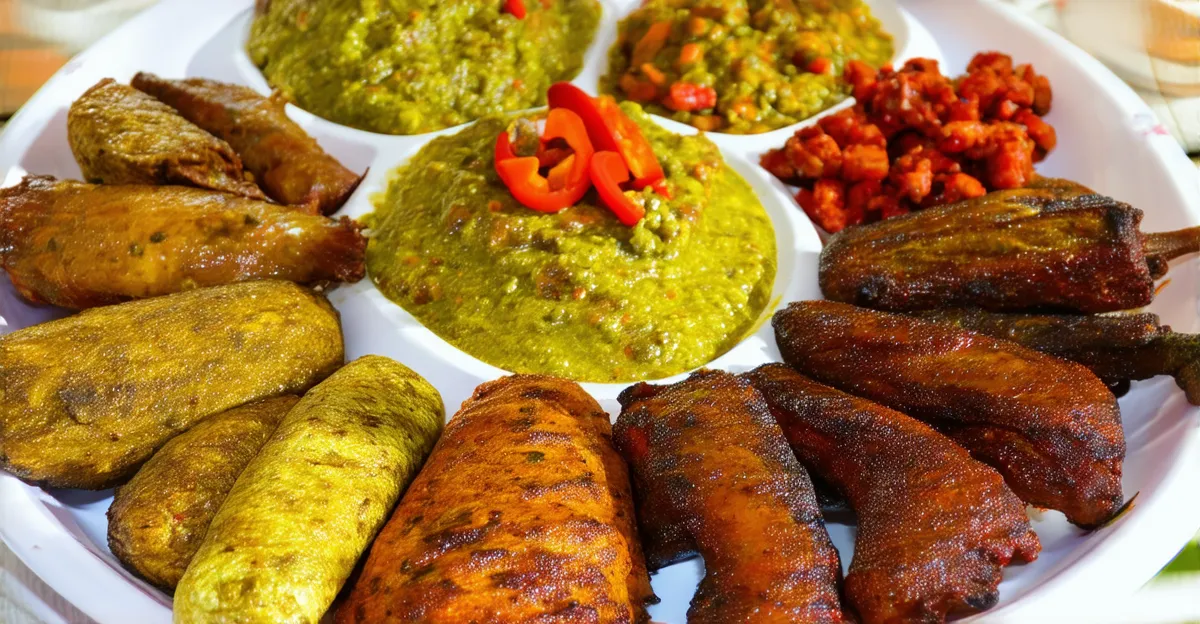
Haitian cuisine is a colorful tapestry woven from its rich culture, history, and the diverse ingredients found in the Caribbean. Characterized by bold flavors and hearty dishes, this cuisine is not just food—it’s an experience that reflects the spirit of its people. From the iconic Griot to the beloved Joumou soup, each dish tells a story of tradition and community. Join us as we dive into the unique culinary offerings of Haiti, ensuring that your journey through its food culture leaves a lasting impression.
Key Takeaways
- Haitian traditional dishes are a vibrant representation of the country’s culture and history.
- Signature dishes such as Griot and Joumou soup are must-tries for an authentic experience.
- Haitian cuisine offers a range of options, from street food to home-cooked meals suitable for all budgets.
- Engaging with locals through cooking classes and food tours enhances the culinary journey in Haiti.
1. Griot: Haiti’s Iconic Fried Pork
One of the most beloved Haitian traditional dishes is griot, which consists of marinated and fried pork. This dish is typically made from pork shoulder that is seasoned with a blend of citrus juices, garlic, and spices. After marinating, the pork is simmered until tender, before being fried to achieve a crispy outer layer.
Griot is often served on special occasions, such as weddings and holidays, and is accompanied by pikliz (spicy pickled vegetables) and fried plantains. This flavorful dish not only represents Haitian culinary flair but also embodies the spirit of sharing and celebration among families and friends.
Did you know? Griot is not just a dish; it symbolizes a rich culture and heritage, often being the highlight of family gatherings.
Where to eat: When craving this dish, head to Chez Emma or La Kay, where you can experience authentic home-style griot served with all the delicious sides.
2. Joumou Soup: Celebrating Independence Day
Another iconic entry among Haitian traditional dishes is joumou soup, a hearty pumpkin soup traditionally enjoyed on New Year’s Day as part of Haiti’s Independence Day celebrations. It is made from winter squash, beef, vegetables, and spices, creating a flavorful and filling meal.
This soup carries significant historical importance, as it represents freedom from colonial rule. During the celebrations, families gather to share this dish, embodying their pride and resilience. The blend of flavors—earthy pumpkin with tender meat and fresh herbs—makes joumou soup a comforting favorite, especially during special occasions.
Pro Tip: To enhance the taste, add a dash of hot sauce for an extra kick!
Where to eat: For a warm bowl of joumou soup, try Le Restaurant de la Paix or Tap Tap—both offer authentic versions that honor Haitian culinary traditions.
3. Djon Djon Rice: The Black Mushroom Delight
Djon djon rice showcases the unique flavors of Haitian traditional dishes. This dish is distinct because it features black mushrooms, known as djon djon. The mushrooms are cooked with fragrant herbs and spices, imparting a rich, earthy flavor to the rice, often accompanied by meat or seafood.
The preparation typically involves boiling the rice with the mushrooms to absorb their intense flavor, resulting in a strikingly dark and aromatic meal. Djon djon rice is commonly served during celebrations and special occasions, making it a cultural staple that resonates with the rich history of Haiti.
Fun Fact: Djon djon mushrooms are unique to Haiti, and their use in cooking reflects the diverse culinary traditions of the island.
Where to eat: For a taste of authentic djon djon rice, visit Haitian Cuisine or Chef Creole, where experienced chefs prepare this traditional delicacy with care and love.
4. Tassot: Seasoned and Fried Meat
Tassot is one of the most beloved Haitian traditional dishes, celebrated for its rich flavors and crispy texture. Typically made with beef or goat, this dish involves marinating the meat in a mixture of spices, garlic, and citrus juices for several hours, allowing the flavors to penetrate deeply. After marination, the meat is then fried until golden brown, resulting in a deliciously crunchy outside and tender inside.
This dish is often served with a side of pikliz or rice, making it a fulfilling meal. In Haiti, tassot is popular during festive occasions and family gatherings, symbolizing celebration and togetherness.
Did you know? The marination time is crucial for the best flavor development in tassot!
Where to eat: For authentic tassot, head to Restaurant A L’Ancienne in Port-au-Prince, where you can savor their homemade version that has been a local favorite for years.
5. Pikliz: Spicy Haitian Pickled Vegetables
Pikliz is another Haitian traditional dish that embodies the vibrant flavors of Haitian cuisine. This spicy condiment consists of thinly sliced vegetables, primarily cabbage, carrots, and bell peppers, pickled in a vinegar brine infused with spices like garlic, thyme, and Scotch bonnet peppers. The result is a tangy, spicy mix that adds a delightful crunch and zest to any meal.
Not only does pikliz enhance the flavors of dishes like griot and tassot, but it also serves as a refreshing side that balances richer flavors. Pikliz is often made in large batches, as it improves in taste after a few days, making it a staple in many Haitian households.
Pro Tip: For those who love spice, don’t hesitate to add more Scotch bonnet peppers for an extra kick!
Where to eat: You can find exceptional pikliz at La Petite Framboise in Port-au-Prince, where they serve it alongside their traditional Haitian meals.
6. Konparèt: Sweet Fried Plantains
Konparèt, also known as sweet fried plantains, is a popular Haitian traditional dish that captivates with its simplicity and sweetness. Ripe plantains are sliced diagonally and then fried until they reach a golden brown color, creating a crispy exterior and a soft, sweet interior. This dish can be enjoyed as a snack, side dish, or even a dessert!
Konparèt is often served alongside savory dishes, providing a perfect contrast to the spiciness of meals like griot and tassot. The sweetness of the fried plantains makes them a favorite among both children and adults.
Fun Fact: Some enjoy konparèt with a drizzle of honey or a sprinkle of cinnamon for added flavor!
Where to eat: For a delightful serving of konparèt, visit Bon Maman for their homemade versions, which are made fresh daily.
7. Macaroni au Gratin: A Haitian Comfort Food
Macaroni au Gratin is a beloved comfort food in Haiti, representing a blend of Caribbean flavors and French culinary techniques. This dish features macaroni pasta mixed with a creamy cheese sauce, often enhanced with spices, and topped with a golden crust. The use of a variety of cheeses gives it a unique taste that is rich and satisfying.
Traditionally, Haitian families prepare macaroni au gratin for special occasions or Sunday dinners. It is often paired with a protein and a side, making it a hearty option for gatherings. The dish’s creamy texture and cheesy flavor make it a favorite among both young and old.
Pro Tip: For a delightful twist, try adding a kick of spice with some hot peppers or incorporate ground meat into the mix.
Where to eat: To try a delicious version of macaroni au gratin, head to La Belle Maison, which is known for its authentic Haitian comfort food. Another great spot is Restaurant Le Grenadiers, where you can find this dish as part of their traditional offerings.
8. Bannan Peze: Crispy Fried Plantain Chips
Bannan Peze are crispy fried plantain chips that are a staple snack in Haitian cuisine. Made from green plantains, these chips are sliced and fried until golden brown, giving them a crunchy texture and a slightly salty flavor. Bannan Peze is often enjoyed as a side dish or a snack, perfect for dipping into a tangy sauce or enjoying on their own.
This dish is not just popular in homes but also commonly found at street food stalls across Haiti. It’s a great option for those looking for an authentic taste of the culture. Moreover, Bannan Peze can be served alongside various dishes, making it a versatile accompaniment.
Did you know? These fried plantains are often paired with Pikliz, adding a spicy kick to the experience!
Where to eat: You can find some of the best Bannan Peze at Kreyol Esse, known for its fresh and authentic Haitian snacks. Another recommendation is Tap Tap, a vibrant restaurant that serves Bannan Peze alongside traditional Haitian dishes.
9. Pâté Kòde: Savory Haitian Pastry
Pâté Kòde is a popular savory pastry in Haiti, often enjoyed as a snack or appetizer. This delectable treat consists of a flaky crust filled with seasoned meat, typically ground beef or pork, sometimes accompanied by vegetables and spices for added flavor. The pastry is then deep-fried or baked to perfection, creating a deliciously crispy outer layer.
This dish is not only a favorite during gatherings but also at festive occasions, showcasing Haitian culinary creativity. Each region in Haiti may have its own twist on Pâté Kòde, highlighting the diverse flavors of the country.
Pro Tip: Enjoy them hot and pair them with a spicy sauce or Pikliz for an unforgettable burst of flavors!
Where to eat: For authentic Pâté Kòde, visit Haitian Diner where they serve mouthwatering pastries. Another great place to experience this delicacy is Chez Mache, known for its tasty traditional snacks.
10. Poisson Gros Sel: Salted Fish Specialties
Poisson Gros Sel, meaning “salted fish,” is a beloved dish in Haitian traditional cuisine. This dish highlights the use of fish that is preserved in generous amounts of coarse salt. The preparation typically involves seasoning the fish with various spices and then drying it. This method not only enhances the flavor but also allows the fish to be stored longer, making it a staple in many Haitian households.
Traditionally, Poisson Gros Sel is prepared using various types of fish, such as mackerel or herring. Once the fish is salted and dried, it is often fried until golden and crispy. The dish is frequently served with a side of pikliz for a little extra heat, along with rice and beans, creating a satisfying meal that balances flavors and textures.
Did you know? The technique of salting fish is a centuries-old preservation method that was essential for sustaining families, especially during times when fresh fish was not available.
Where to eat: To try authentic Poisson Gros Sel, visit Le Pâté Kòde in Port-au-Prince, known for its traditional Haitian seafood dishes. Another great spot is La Maison de l’Artisan, which offers homemade versions that embody the spirit of Haitian cooking.
Exploring Haitian traditional dishes offers visitors a flavorful glimpse into the heart and soul of Haiti. With its unique blend of spices and ingredients, each meal tells a story of its rich heritage. Whether you are dining at a local eatery or trying your hand at cooking a traditional dish, immerse yourself in the culinary delights of Haiti. Share your favorite Haitian dishes or plan your gastronomic adventure today!
Frequently Asked Questions
A: Griot and Joumou soup are among the most popular dishes representing Haitian cuisine.
A: Yes, there are several vegetarian-friendly options like Djon Djon rice and Pikliz.
A: Common ingredients include plantains, pork, spices, and root vegetables.
A: Look for local Haitian restaurants and food trucks for an authentic dining experience.
A: Haitian cuisine has a range of flavors, with some dishes incorporating spicy elements, such as Pikliz.
A: Haitian Independence Day is celebrated on January 1st with Joumou soup, symbolizing freedom.