
Guwahati Tea Culture: Savoring Assam’s Finest Brews
Discover Guwahati tea culture! Explore the rich flavors, tea estates, and best spots to enjoy Assam’s signature beverage in this guide.
On this page
Guwahati, a vibrant city in Assam, holds a treasure trove of tea culture that captivates both locals and travelers alike. Renowned for its lush tea estates and unique brewing techniques, Guwahati tea culture offers a rich tapestry of flavors, aromas, and experiences. This guide dives into the heart of Assam’s signature beverage, exploring everything from traditional tea ceremonies to contemporary tea lounges that showcase the region’s renowned brews. Whether you are a tea aficionado or a casual enthusiast, Guwahati promises delightful sips and unforgettable experiences.
Key Takeaways
- Guwahati tea culture blends traditional practices with modern trends.
- Assam tea showcases unique flavors, particularly noted for its malty richness.
- From tea estates to street stalls, there are diverse experiences available.
- Participating in tea tastings is a great way to explore local varieties.
1. Assam Tea: The Pride of Guwahati Tea Culture
Guwahati, nestled in the heart of Assam, is celebrated for its vibrant tea culture. Assam tea is renowned internationally for its strong flavor and rich color. This type of tea is uniquely grown in the lush tea gardens of Assam, where the fertile soil and climate create ideal growing conditions. As a result, Assam tea often features a malty sweetness, making it a favorite among tea drinkers.
The local tea culture in Guwahati reflects both its historical roots and modern appreciation. Assam tea is not just a beverage; it’s a symbol of hospitality and community spirit. Whether served in households or at celebratory gatherings, this tea forms an integral part of social interactions.
Did you know? Assam tea accounts for over 50% of India’s total tea production, establishing Guwahati as a crucial player in the tea industry.
To truly immerse yourself in Guwahati’s tea culture, sampling the various blends, from black to green, is essential. This rich tradition of tea drinking adds a layer of authenticity to any visit to the region.
2. Exploring Tea Estates: Scenic Retreats
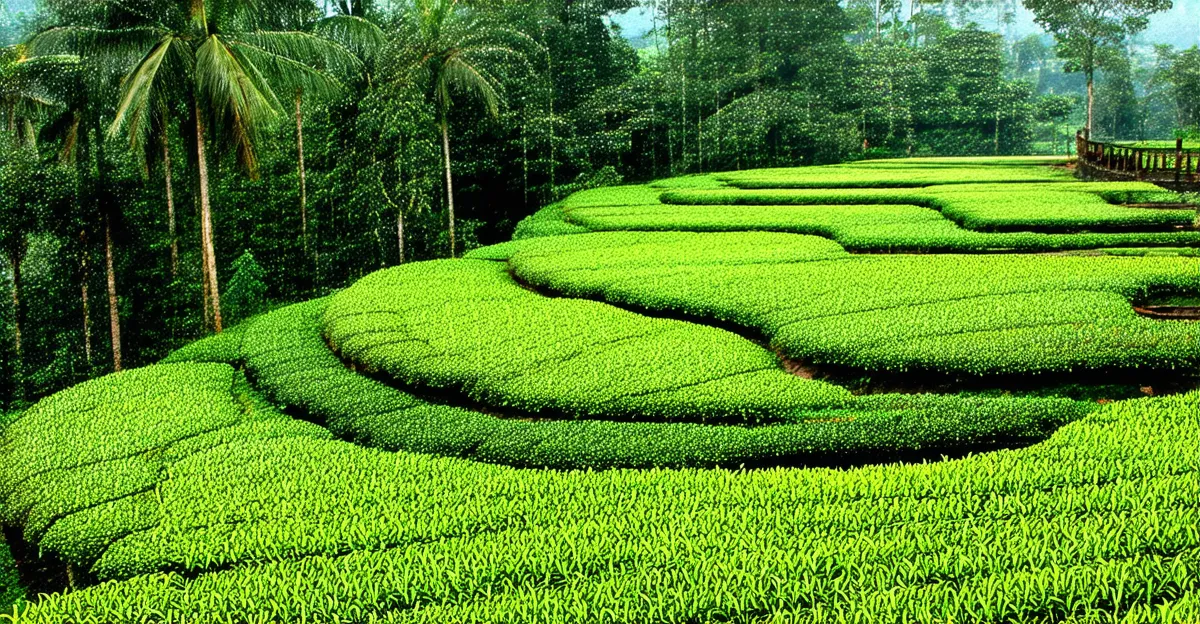
Exploring tea estates around Guwahati is a must for any tea lover. These scenic retreats offer breathtaking views of rolling hills adorned with tea plants. Many estates provide guided tours that explain the tea production process, from plucking the leaves to brewing the perfect cup. This firsthand experience allows you to appreciate the meticulous effort behind each sip.
In addition to the educational aspect, these estates often have charming accommodations and cafes where you can relax and enjoy freshly brewed Assam tea amidst nature. The serene landscapes and peaceful ambiance also make it an ideal getaway from the bustling city life.
Pro Tip: Visit Borengajuli Tea Estate and Jorhat Tea Estate for incredible insights into the tea-making process.
From enjoying the lush surroundings to sampling different teas, a visit to these estates provides a perfect blend of relaxation and cultural enrichment.
3. traditional Chai: Local Brews You Must Try
🎯 Insider Tip: Discover the best Guwahati experiences with Viator Tours!
In Guwahati, traditional chai holds a special place in the hearts of locals. This unique blend of Assam tea is brewed with water, milk, sugar, and an array of spices. Each vendor adds their secret combination of spices, resulting in a distinctive flavor profile that varies from one stall to another.
What’s more, enjoying a cup of chai is often accompanied by local snacks like samosas or biscuits—creating a delightful experience. Street-side tea stalls are the best spots to savor this beloved beverage, where you can sit back, relax, and socialize with the locals.
Don’t miss trying masala chai, a flavorful version that includes spices such as cardamom, ginger, and cloves!
Sampling traditional chai in Guwahati not only gives you a taste of the local culture, but it also connects you to the community. Whether it’s a small tea stall or an upscale café, the local chai is a must-try!
4. Tea-tasting Experiences in Guwahati
Guwahati offers a distinctive tea-tasting experience that allows visitors to appreciate the subtleties of Assam tea. Many tea estates and specialized tea houses host tasting sessions where you can explore a range of flavors from strong black teas to delicate green varieties. During these sessions, experts guide you through the nuances of each brew, highlighting its aroma, texture, and aftertaste.
Moreover, participating in these experiences not only educates you about the different Assam teas but also immerses you in the vibrant guwahati tea culture. Many establishments also provide insights into the history of tea production in the region, making it a fascinating journey.
Pro Tip: Ensure to sample at least a few varieties, as each tea carries a unique flavor profile influenced by its growing conditions.
Where to taste: Visit Tea Aroma, known for its extensive tea selection, or Guwahati Tea House, where you can enjoy traditional Assam tea in a cozy ambiance.
5. The Art of Tea Brewing: Techniques and Traditions
🎯 Insider Tip: Discover the best Guwahati experiences with Viator Tours!
The art of tea brewing is central to the guwahati tea culture. Assam tea, with its rich flavor, requires particular attention to detail when brewing. First, it’s essential to use fresh, high-quality tea leaves. The typical brewing method involves boiling water at around 90-100°C, followed by steeping the leaves for about 3-5 minutes. This process allows the full-bodied flavors and aromas to develop.
Additionally, many local families possess unique brewing traditions that have been passed down through generations. These traditions often include adding spices like cardamom or ginger for enhanced taste.
Did you know? Brewing tea in a traditional clay pot can enhance its flavor, giving it a unique earthy taste.
For further learning, consider attending workshops at local tea estates where brewing techniques are shared, providing you a deeper understanding of Assam tea.
6. Street-side Tea Stalls: Authentic Local Flavor
No visit to Guwahati is complete without stopping at the numerous street-side tea stalls, which are a cornerstone of the guwahati tea culture. These small stalls serve freshly brewed chai, a local favorite, often made from Assam tea combined with milk and sugar. The bustling atmosphere, combined with the aromatic scent of brewing tea, creates a sensory delight.
Here, you can enjoy a cup while interacting with locals, providing an authentic cultural experience. You might even find unique variations, such as tea infused with spices or served with traditional snacks.
Pro Tip: Don’t miss out on trying “masala chai,” a spicy variant that truly embodies the essence of Indian tea.
Where to sip: For a truly local experience, head to Chai Ghar or Chai Time, popular among residents for their delightful brews and vibrant ambiance.
7. Best Cafés for Tea Lovers in Guwahati
Guwahati, known for its rich tea culture, offers several delightful cafés where tea enthusiasts can indulge in a variety of brews. One of the standout places is the Tea Villa Café, famous for its extensive selection of Assam teas, including unique blends. Not only can you sip on classic Assamese tea here, but you can also learn about its origins.
Another excellent spot is Chai Town, a cozy café that blends modern aesthetics with traditional flavors. Here, you can enjoy not just tea, but also a fusion of snacks that perfectly complement your cup. If you’re in the mood for a tranquil atmosphere, Brewed Awakenings provides a peaceful garden setting for a serene tea experience.
Tip: Each café has its own twists on Assam tea, so don’t hesitate to sample a few offerings!
Additionally, Guwahati Tea House showcases local tea culture, allowing you to immerse yourself in Assam’s rich heritage while sipping your favorite brew. These spots celebrate the essence of Guwahati’s tea culture and are ideal for teaholics.
8. Health Benefits of Assam Tea: A Delicious Boost
Assam tea, a cornerstone of Guwahati’s tea culture, is not only delicious but also brings numerous health benefits. Rich in antioxidants, Assam tea helps combat free radicals, thereby promoting overall health. Regular consumption can enhance heart health by reducing cholesterol levels.
Moreover, Assam tea is an excellent source of caffeine, providing a gentle energy boost without the jitters associated with coffee. This makes it an ideal pick-me-up for those needing a little extra motivation during the day. Additionally, the presence of flavonoids may help improve mental alertness and cognitive function.
Did you know? Drinking Assam tea can also aid in weight management due to its potential to boost metabolism!
Incorporating Assam tea into your daily routine not only adds a delightful flavor but also supports your well-being, making it an essential part of the vibrant tea culture in Guwahati.
9. Festivals Celebrating Guwahati’s Tea Culture
🎯 Insider Tip: Discover the best Guwahati experiences with Viator Tours!
Guwahati’s vibrant tea culture is celebrated through various festivals throughout the year. One of the most notable is the Tea Festival, usually held in November, where tea aficionados come together to celebrate Assam’s prized beverage. This festival features tastings, demonstrations, and workshops that highlight the art of tea brewing.
Additionally, during the Bihu Festival, tea plays a crucial role in the celebrations, with locals gathering to enjoy traditional teas and snacks. As a visitor, you can experience the warmth of Assamese hospitality and the communal spirit surrounding tea tasting.
Pro Tip: Attending these festivals provides not just a taste of Assam tea, but also an intimate glimpse into the cultural significance of tea in local society.
Throughout the year, various tea-themed events bring the community together, emphasizing the importance of Assam tea in Guwahati’s cultural fabric. This celebration of tea truly reflects the pride and passion of the locals for their iconic brew.
10. Cooking with Tea: Unique Assam Recipes
Incorporating Assam tea into cooking brings a distinctive flavor to both savory and sweet dishes. Known for its robust and malty characteristics, Assam tea is not only a beverage but also a versatile ingredient. One popular dish is Masala Chai Pudding, which is a delightful fusion of traditional chai flavor in a creamy dessert form.
Another unique recipe is Tea-Infused Rice. This dish uses brewed Assam tea to soak the rice, infusing it with a subtle richness that pairs wonderfully with various curries. Additionally, there’s the Assam Tea Smoked Chicken, where the chicken is marinated in spices and then smoked over Assam tea leaves, imparting a complex flavor profile.
Pro Tip: Always choose high-quality Assam tea leaves for cooking to enhance the flavors of your dishes.
Where to get inspired? The Tea House in Guwahati offers workshops and recipe ideas using Assam tea. It’s a great spot for those eager to explore how this beloved brew can elevate their cooking.
Whether you’re already a fan of Assam tea or just discovering its culinary potential, experimenting with these unique Assam recipes will surely impress your guests and tantalize your taste buds.
Guwahati’s tea culture is a testament to Assam’s rich heritage and the love for this beloved beverage. From scenic tea estates to bustling street-side stalls, there’s a world of flavors waiting to be discovered. Immerse yourself in Guwahati’s tea journey and savor each sip. Consider planning a visit to experience the magic of Assam tea culture first-hand, and don’t forget to share your favorite tea moments!
Frequently Asked Questions
A: Assam tea is known for its robust flavor and bright color, with a natural malty sweetness that sets it apart.
A: Yes, many tea estates offer guided tours that include tea tastings and a glimpse into the tea production process.
A: Cafés like Taj Mahal and the Assam Tea Café are popular for their signature brews.
A: Yes, Assam tea contains antioxidants, which can provide various health benefits including improved heart health.
A: Yes, the Assam Tea Festival celebrates the rich tea culture with activities, tastings, and cultural programs.
A: Traditional chai usually includes spices and milk, while Assam tea is typically enjoyed plain to appreciate its unique flavors.