
Florence Cooking Classes: Discover Authentic Cuisine
Join Florence cooking classes to learn authentic recipes and culinary secrets that highlight Tuscany’s rich flavors and food traditions.
On this page
Florence is not only a city of breathtaking art and history but also a gastronomic paradise waiting to be explored. The local cuisine reflects the region’s rich agricultural heritage and the time-honored traditions of Tuscan cooking. By taking part in Florence cooking classes, visitors can immerse themselves in the culinary culture while learning how to prepare traditional dishes like ribollita, pappa al pomodoro, and fresh handmade pasta. This article will guide you through the best cooking classes in Florence and the incredible culinary experiences that await you.
Key Takeaways
- Florence cooking classes help immerse you in Tuscany’s culinary traditions.
- You’ll learn to cook iconic dishes like ribollita and homemade pasta.
- Classes often include market tours for sourcing fresh local ingredients.
- wine pairing sessions enhance the cooking experience and educate on Tuscan wines.
1. Authentic Tuscan Cuisine: A Cooking Class Overview
Florence is not only known for its stunning architecture and rich history but also for its authentic Tuscan cuisine. A cooking class in Florence offers an immersive experience into the flavors and techniques that define this region. From farm-fresh vegetables to high-quality olive oil, participants learn the essence of Tuscan cooking. These classes often begin with a discussion about local ingredients, leading into hands-on activities where you’ll prepare traditional dishes.
Did you know? Tuscan cooking is all about simplicity and using fresh, seasonal ingredients!
During these classes, you will learn how to create staple dishes, such as Ribollita, a hearty vegetable soup, and Pici, a type of handmade pasta that’s a signature of the region. Moreover, cooking classes are typically held in scenic locations, often in beautiful villas or rustic kitchens, enhancing the overall experience.
Where to take classes: Look for renowned cooking schools like Cooking with Aura or Florence Cooking School for the best hands-on experiences.
2. Preparing Traditional Pasta: Techniques and Tips
Making traditional pasta is an art form, and in Florence, cooking classes focus on teaching you the necessary techniques. First, participants learn how to choose the right flour and combine it with eggs to form the perfect dough. This process is essential for creating various types of pasta, including tagliatelle, ravioli, and tortellini.
In these classes, you’ll practice rolling out the dough, cutting it into shapes, and filling it with delicious ingredients like spinach and ricotta or beef. Moreover, the instructors often share tips on achieving the right texture and flavor balance.
Pro Tip: Always let the dough rest before rolling it out to enhance elasticity!
Hands-on pasta-making sessions not only build skills but also end with a delightful tasting session, allowing participants to enjoy their creations with a glass of local wine.
3. Florentine Steak: Mastering the Perfect Bistecca
🌟 Local Expert Tip: Get the most out of your Florence visit with guided tours!
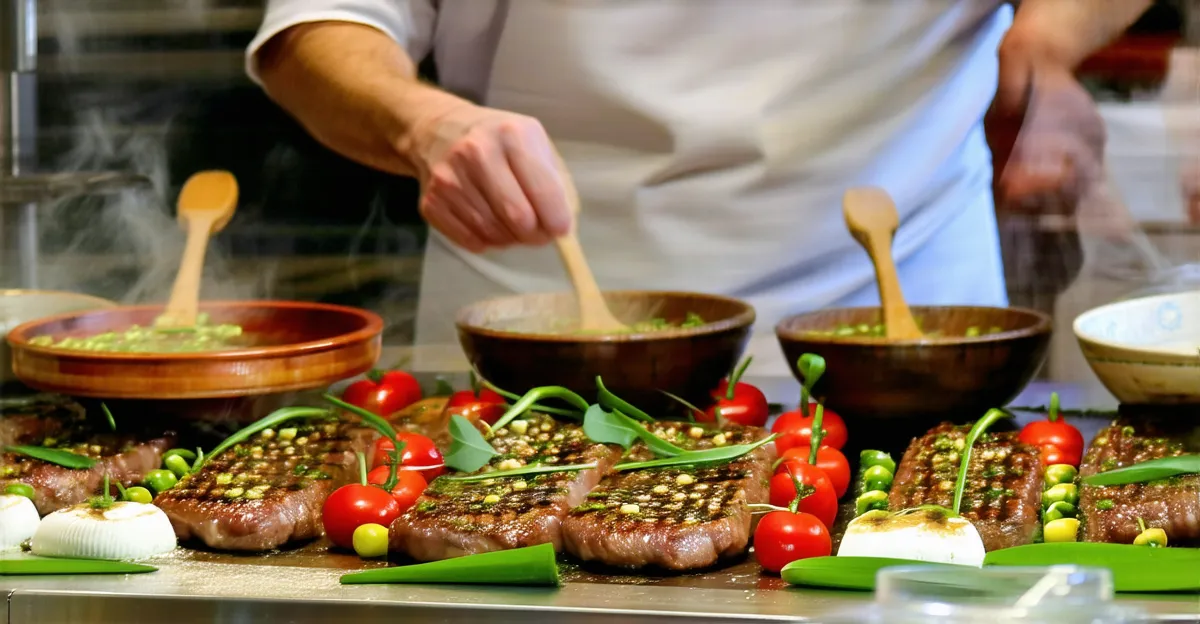
The Bistecca alla Fiorentina is a culinary icon in Florence. This impressive Florentine steak is known for its massive size and juicy flavor. In cooking classes, you will not only learn how to prepare this delightful dish but also understand its history and significance in Tuscan dining. Highlighting the importance of using high-quality, locally sourced beef, many classes start with discussions about the cut of meat.
You’ll learn how to properly season the steak, often with just salt, pepper, and olive oil, to let the meat’s natural flavors shine. Following that, participants will grill the steak over an open flame or charcoal, achieving that perfect sear while keeping it rare inside—just like the locals do.
What to remember: The optimal cooking time is just a few minutes per side!
Finally, you’ll enjoy your Bistecca, often served with side dishes like roasted potatoes or grilled vegetables. Bon appétit!
4. Homemade Sauces: From Tomato to Pesto in Florence
In Florence, mastering homemade sauces is essential for anyone interested in Florence cooking classes. One of the most cherished sauces is marinara, made with ripe tomatoes, garlic, and fresh basil. This simple yet flavorful sauce highlights the importance of fresh ingredients in Tuscan cuisine. Additionally, pesto, originating from nearby Genoa, has become popular in Florence. Made from basil, pine nuts, garlic, and olive oil, it is often used to dress pasta or enhance bruschetta.
During cooking classes, you will learn not only the recipes but also the techniques for achieving the perfect balance of flavors. Additionally, chefs often share tips on customizing these sauces to suit your palate. For example, adding crushed red pepper can give marinara a spicy kick, or incorporating different nuts in pesto can create unique variations.
Don’t forget! Use high-quality olive oil, as it can significantly affect the taste of your sauces.
Where to learn: To dive into sauce-making, participate in classes at Cooking Classes in Florence or Florence Food & wine Academy, where expert chefs guide you through traditional recipes.
5. Baking Tuscan Bread: The Art of Pane Toscano
Baking Pane Toscano is an art form in itself, and it plays a crucial role in Florence cooking classes. This unsalted bread is a staple in Tuscan cuisine, perfectly complementing flavors of cured meats and cheeses. The absence of salt dates back to the Renaissance when salt was heavily taxed, leading Tuscans to develop this unique bread.
During a cooking class, you’ll learn the techniques to bake this rustic loaf, from mixing the dough to achieving the right texture in the oven. Mastering the fermentation process is essential for developing the bread’s unique flavor. Additionally, you will explore how to serve this bread with traditional sauces or turning it into crostini, topped with various spreads.
Pro Tip: Pair your freshly baked bread with local olive oil for a simple yet delicious appetizer.
Where to bake: Join classes at Scuola di Cucina Lorenzo de’ Medici or Cook in Florence to learn the art of Tuscan bread-making in a hands-on environment.
6. Seasonal Ingredients: What to Use in Tuscan Cooking
🌟 Local Expert Tip: Get the most out of your Florence visit with guided tours!
Understanding seasonal ingredients is vital in Florence cooking classes. Tuscan cuisine emphasizes fresh, local produce that varies by season. In spring, for example, you can find artichokes and asparagus, which are perfect for salads and pastas. Summer brings tomatoes, eggplants, and peppers, ideal for sauces and stews.
As you move into autumn, mushrooms and truffles make a grand appearance. These ingredients offer rich flavors and are often celebrated in dishes such as risotto and ragù. Additionally, winter is the season for hearty root vegetables, like carrots and potatoes, which can be used in rustic soups and roasts.
Remember! Each season not only changes the ingredients but also enhances the culinary experience in Tuscany.
Where to discover: For a true taste of seasonal ingredients, visit the Mercato Centrale while taking part in cooking classes that focus on local produce, such as at Chef Vary or Tuscany Culinary Tours.
7. wine Pairing: A Taste of Tuscany’s Best Vintages
Tuscany is renowned not only for its stunning landscapes but also for its exceptional wines. Partaking in Florence cooking classes provides an excellent opportunity to learn about the art of wine pairing. Tuscan wines, particularly Chianti and Brunello di Montalcino, are perfect companions for many traditional dishes.
When experimenting with wine pairing, consider complimentary flavors. For instance, a young Chianti, with its bright acidity and fruity flavors, pairs beautifully with tomato-based dishes. On the other hand, robust reds like Brunello elevate hearty meals like Bistecca alla Fiorentina. Moreover, for a truly authentic experience, always taste the wine with your dish to discover the perfect match.
Pro Tip: Always serve red wines at a cooler temperature, around 60-65°F, to enhance their flavors.
Many cooking classes in Florence incorporate wine tasting sessions, which is a delightful way to expand your palate. Some classes even take you to local vineyards, allowing you to savor Tuscany’s renowned viticulture.
8. Exploring Italian Dessert: Tiramisu and More
No Italian meal is complete without a dessert. In Florence cooking classes, participants often learn how to prepare classic desserts like Tiramisu and Panna Cotta. Tiramisu, with its delightful layers of coffee-soaked ladyfingers and mascarpone, is a favorite among many.
Moreover, other traditional desserts like Cantucci, Tuscan almond cookies, offer a crunchy texture that pairs excellently with Vin Santo, the region’s dessert wine. When preparing these desserts, pay attention to the quality of ingredients. Fresh mascarpone and high-quality coffee will significantly enhance the final product.
Did you know? The best Tiramisu recipes use freshly brewed espresso, ensuring an authentic and rich flavor.
If you’re looking to satisfy your sweet tooth, many cooking classes provide hands-on experience in making these delicious treats, allowing you to impress friends and family back home!
9. Interactive Market Tours: Sourcing Ingredients in Florence
One of the highlights of Florence cooking classes is the interactive market tours. Visiting local markets like Mercato Centrale or Mercato di San Lorenzo provides a vibrant introduction to Tuscan ingredients. Here, you can find everything from ripe tomatoes to fresh herbs and artisanal cheeses.
Engaging with local vendors not only enriches your culinary experience but also helps in understanding the importance of seasonal ingredients in Tuscan cooking. As you stroll through the stalls, learn about selecting fresh produce and sourcing quality meats and fish for your recipes.
Pro Tip: Don’t shy away from asking vendors for cooking tips. They often have valuable insights that can enhance your dishes!
These market tours often culminate in a cooking session, where you can utilize the ingredients you’ve just purchased. This full-circle experience is what makes cooking in Florence truly unforgettable.
10. Culinary Tours: Combining Florence’s Food and Culture
Florence is not only a city rich in art and history but also a paradise for food lovers. Culinary tours here offer a unique way to explore the flavors of Tuscany while immersing yourself in the city’s vibrant culture. During these tours, visitors can experience a delightful blend of cooking classes, traditional meals, and visits to local markets.
Many tours start with a hands-on cooking class, where participants can learn to prepare classic dishes like Ribollita and Pici. Afterward, the experience often includes exploring bustling markets such as Mercato Centrale, where you can sample local produce, meats, and cheeses.
Did you know? A typical culinary tour in Florence can be a feast for all senses—sight, smell, and taste!
In addition, many tours offer a stop at a local winery, where you can savor exquisite Tuscan wines and learn about the wine-making process. This enjoyable blend of cooking, tasting, and exploring the history behind Tuscan dishes gives a deep appreciation for Florentine cuisine.
Where to go: Check out Tuscan Cooking Class for their immersive experiences or Florence Food Tours for a full taste of the city’s culinary delights.
Florence cooking classes offer a unique opportunity to connect with the city’s rich culinary heritage while honing your cooking skills. Whether you’re a seasoned chef or a curious food lover, these classes provide an unforgettable experience blending education with flavorful discoveries. Plan your culinary journey today, and don’t forget to share your favorite Tuscan dish with us!
Frequently Asked Questions
🌟 Local Expert Tip: Get the most out of your Florence visit with guided tours!
A: Florence offers a variety of classes, including pasta making, regional specialties, and baking workshops.
A: Yes, most cooking classes cater to all skill levels, from beginners to experienced cooks.
A: Cooking classes typically last 3-5 hours, depending on the program.
A: Usually, just an apron and a willingness to learn; all ingredients and tools are provided.
A: Yes, many schools offer private classes for individuals or groups.
A: Yes, most classes provide time to enjoy the dishes prepared together, often paired with wine.