
Dubai Cuisine: Explore Traditional Dishes and Flavors
Dubai traditional dishes offer a unique culinary journey. Discover the best local flavors, dining spots, and must-try specialties in this guide.
On this page
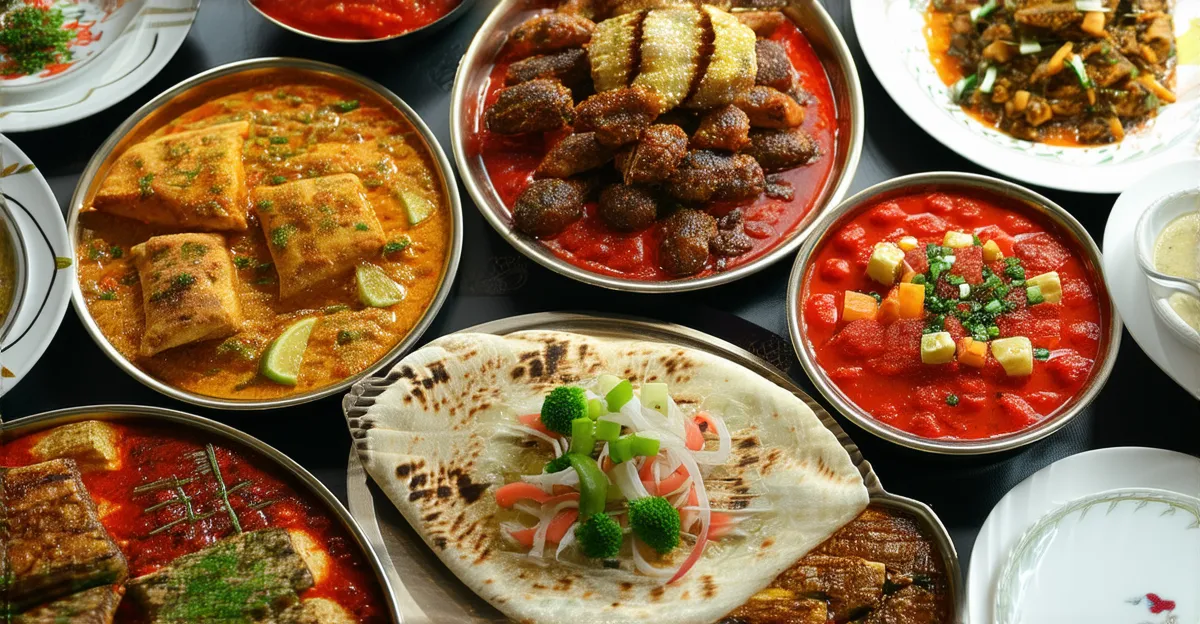
Discovering Dubai’s traditional dishes is a true taste of culture and history, blending influences from Africa, Persia, and Indus Valley cuisines. This culinary oasis offers a variety of flavors that reflect the city’s rich heritage. From aromatic spices to succulent meats and flavorful rice dishes, Dubai’s food scene is a must-experience for every food lover. Join us as we explore the local delicacies and dining experiences that define this vibrant city’s cuisine.
Key Takeaways
- Dubai traditional dishes are a vibrant blend of flavors and cultures.
- Signature favorites like Shawarma and Al Harees define the local food scene.
- From street food to luxurious dining, there’s something for every palate.
- Cultural food experiences, such as traditional dinners, enhance your visit.
1. Shawarma: A Popular street food in Dubai
One of the most beloved Dubai traditional dishes, Shawarma is a must-try for anyone visiting the city. This delicious wrap features marinated meat, typically beef, chicken, or lamb, cooked on a vertical rotisserie. Often served in a flatbread with fresh vegetables and a drizzle of garlic sauce, Shawarma captures the vibrant flavors of Middle Eastern cuisine.
As you stroll through the bustling streets, you can easily find Shawarma vendors offering this delectable dish, making it a popular street food choice. The combination of spices and sauces creates an unforgettable taste, and it’s perfect for a quick meal or a late-night snack.
Pro Tip: Don’t forget to ask for extra pickles and spicy sauce to elevate your Shawarma experience.
Where to eat: Head to Shawarma Station or Al Mallah for some of the best Shawarma in Dubai. Both spots offer generous portions and a lively atmosphere that reflects the local food culture.
2. Al Harees: Traditional Emirati Wheat Dish
Al Harees is another of the Dubai traditional dishes steeped in history. This dish features wheat kernels cooked with meat, usually chicken or lamb, until it creates a smooth, porridge-like consistency. Traditionally enjoyed during Ramadan and special occasions, Al Harees showcases the simplicity and heartiness of Emirati cuisine.
While often enjoyed plain, it can be seasoned with salt and served with a side of ghee for added richness. The texture and flavor make Al Harees a comforting option that has delighted families for generations.
Did you know? Al Harees is not only a dish but also a part of cultural celebrations, symbolizing unity and community spirit.
Where to eat: To experience authentic Al Harees, visit Al Fanar Restaurant or Al Majlis Restaurant. These places are known for their genuine flavors and traditional settings.
3. Kuzu Mendi: Aromatic Lamb and Rice Delight
🎯 Insider Tip: Discover the best Dubai experiences with Viator Tours!
If you are a fan of rich flavors, Kuzu Mendi should be on your list of Dubai traditional dishes. This delightful dish consists of tender lamb that is cooked slowly with a blend of spices and served on a bed of fragrant basmati rice. The unique cooking method imparts a depth of flavor, making it a cherished meal among locals.
Kuzu Mendi is often garnished with nuts and raisins, adding a touch of sweetness to the savory elements of the dish. This meal is not only delicious but also visually appealing, making it a perfect centerpiece for gatherings and celebrations.
Pro Tip: Pair Kuzu Mendi with a side of yogurt to balance the spices and enhance the enjoyment!
Where to eat: For the best Kuzu Mendi, visit Al Iwan or Shabestan. Both restaurants offer authentic culinary experiences that highlight the traditional flavors of Dubai.
4. Machboos: Spiced Rice with Meat or Fish
🎯 Insider Tip: Discover the best Dubai experiences with Viator Tours!
Machboos is a beloved traditional dish in Dubai that showcases the depth of Dubai traditional dishes. This aromatic rice dish is typically made with basmati rice, infused with various spices, and paired with either tender meat or succulent fish. The layers of flavors are achieved through its rich blend of spices such as turmeric, cardamom, and cumin. Machboos is not only a meal but also a symbol of hospitality in Emirati culture.
Often served during special occasions and family gatherings, Machboos is a hearty dish that brings everyone together. Its preparation involves slow-cooking the rice and protein, ensuring that every grain captures the vibrant flavors. Additionally, the crispy fried onions on top enhance the dish even more.
Tip: For an authentic experience, pair Machboos with a side of tangy salad or yogurt for a refreshing complement.
Where to eat: You can savor this delicious dish at Al Fanar Restaurant & Cafe or Logma, both renowned for their authentic Emirati cuisine.
5. Falafel: vegetarian Delight Found Everywhere
Falafel is a popular and tasty addition to the array of Dubai traditional dishes, especially for those seeking vegetarian options. These deep-fried balls or patties are made from ground chickpeas or fava beans, mixed with herbs and spices. What makes falafel special is its crispy exterior and soft, flavorful inside.
In Dubai, you can enjoy falafel as a main dish, in wraps, or as part of a mezze platter. They are often served with tahini sauce, pickles, and fresh vegetables, making it a delightful and healthy option. Moreover, the dish is not just confined to restaurants; you’ll find street vendors selling falafel at every corner, ensuring you can enjoy this tasty treat anytime.
Did you know? Falafel is a staple in Middle Eastern cuisine and has become a beloved snack around the world!
Where to eat: For some of the best falafel, visit Falafel Al Fakhama or try the renowned 3Fils restaurant for a modern twist on this classic dish.
6. Luqaimat: Sweet Dumplings for Dessert
Luqaimat are delightful sweet dumplings that perfectly encapsulate the essence of Dubai traditional dishes. These Arabic treats are made from a simple batter, fried until golden brown, and then drizzled with date syrup or honey. Often served warm, their crispy exterior contrasts beautifully with the fluffy inside.
This dessert is especially popular during Ramadan, as it provides a satisfying treat to break the fast. Luqaimat are generally enjoyed as street food, with vendors serving them fresh and hot. The combination of sweetness and a hint of cardamom makes them irresistible!
Pro Tip: Don’t forget to sprinkle sesame seeds on top for additional flavor and texture.
Where to eat: For a taste of authentic Luqaimat, visit Al Shorfa or Emirati Heritage Club, both known for their commitment to traditional Emirati desserts.
7. Khubz: Essential Bread in Dubai Cuisine
Khubz, the traditional Arabic bread, holds a special place in Dubai’s culinary landscape. This flatbread is typically made from wheat flour, salt, and water, making it a simple yet essential part of many meals. It is commonly baked in a traditional oven called a tannour, creating a delightful, airy texture. Khubz is best enjoyed warm, served alongside a variety of dishes, from stews to grilled meats.
Often, locals use it as a means to scoop up meats and dips, embodying the communal spirit of dining in Dubai. Additionally, it can be toasted for a crispy touch or filled with various ingredients to create a sandwich-like meal. This adaptability makes Khubz a beloved choice for both daily meals and special occasions.
Did you know? Khubz is not just bread; it’s part of the cultural practice of sharing food and hospitality in Emirati society.
Where to eat: To experience authentic Khubz, visit Al Fanar Restaurant & Cafe, known for its traditional dishes and genuine atmosphere. Another great option is Zaatar w Zeit, where you can find freshly baked Khubz with various fillings.
8. Stuffed Camel: A Culinary Tradition
🎯 Insider Tip: Discover the best Dubai experiences with Viator Tours!
Stuffed camel stands as a remarkable example of Dubai’s rich culinary heritage. This dish is considered a delicacy and is typically reserved for very special occasions, such as weddings or large feasts. The preparation involves stuffing a whole camel with various ingredients, including rice, vegetables, and spices, along with smaller birds like quail and even sheep.
The immense size and complexity of this dish truly exemplify the spirit of sharing in Emirati culture. While it may be rare to encounter this dish on a daily basis, its presentation at festivities showcases the artistry and depth of Dubai’s traditional dishes.
Pro Tip: If you want to witness the preparation of stuffed camel, look out for festivals or cultural events in Dubai where it’s displayed.
Where to eat: For those eager to try this unique dish, many luxury hotels and catering companies in Dubai offer stuffed camel for large gatherings. Consider contacting Al Ameer Restaurant for a potential dining experience.
9. Biryani: A Flavor-Filled Rice Dish
Biryani is another star among Dubai traditional dishes, beloved for its rich flavors and aromatic spices. This dish typically consists of basmati rice, marinated meat (often chicken, lamb, or beef), and a mix of spices such as saffron, cardamom, and cloves. The result is a delicious, fragrant dish that has become a favorite in many households and restaurants in Dubai.
What makes biryani truly special is the layering technique used in its cooking. Meat is cooked separately, then layered with the boiled rice before the whole pot is sealed and allowed to cook together. This process infuses the rice with the flavorful juices, creating a mouthwatering experience.
Did you know? Each region in the UAE has its own unique twist on biryani, often making it a dish that varies in flavor and ingredients.
Where to eat: For an authentic biryani experience, head to Biryani Pot, where you’ll find a variety of biryani styles on the menu. Alternatively, try Al Ibrahimi for a renowned offering that showcases traditional flavors.
10. Arabic Coffee: A Rich Cultural Beverage
Arabic coffee, known as Qahwa, holds a special place in the heart of Dubai’s traditional dishes. This beloved drink is not just about flavor; it represents hospitality and culture. Typically brewed from lightly roasted coffee beans and flavored with cardamom, Arabic coffee offers a unique taste profile that is both aromatic and refreshing.
In Dubai, offering Arabic coffee is a sign of welcome. It is often served in small cups, accompanied by dates or sweets. The preparation method is as important as the taste, as it involves a traditional dallah (coffee pot). Often, you’ll find locals enjoying it while engaging in conversation, reflecting its role in social gatherings.
Did you know? Arabic coffee is traditionally served without sugar, allowing its natural flavors to shine through.
Where to drink: For an authentic experience, visit Arabian Tea House in Al Fahidi, where you can enjoy a cup of Qahwa along with traditional Emirati snacks. Another must-try spot is Al Bait Al Qadeem, known for its rich coffee experience and cultural ambiance.
Dubai’s traditional dishes are a flavorful representation of the city’s diverse cultural heritage. Indulge in the local gastronomy, and explore the various dining experiences that Dubai has to offer. Don’t forget to share your favorite dishes or plan a culinary trip to experience the authentic flavors of Dubai!
Frequently Asked Questions
A: Shawarma, Machboos, and Luqaimat are top traditional dishes to try.
A: Visit local restaurants like Al Fanar and board at cultural heritage sites for authentic cuisine.
A: Yes, dishes like Falafel and various salads are widely available.
A: Khubz is a traditional Arabic bread commonly served with meals.
A: Absolutely! Many hotels and cultural centers offer traditional Emirati dining experiences.
A: Arabic coffee symbolizes hospitality and is often served to guests as a welcome treat.