
Darjeeling Tea Culture: A Flavorful Journey
Darjeeling tea culture is a blend of tradition and taste. Discover the best tea experiences, landscapes, and must-visit tea estates in this guide.
On this page
The Darjeeling tea culture is emblematic of the region’s lush landscapes and rich history. Nestled in the foothills of the Himalayas, Darjeeling is famous worldwide for its exquisite tea, often referred to as the ‘Champagne of teas.’ This unique region boasts a variety of tea types, each reflecting the terroir and craftsmanship of its growers. Visitors to Darjeeling will find not only delightful brews but also immerse themselves in the local customs, traditions, and breathtaking views. This guide walks you through the must-try teas, authentic experiences, and the majestic tea estates that make Darjeeling a true haven for tea lovers.
Key Takeaways
- Darjeeling tea culture is rich in history, flavor, and traditions.
- The region produces unique varieties, each with distinct characteristics.
- Tea estate visits offer a glimpse into the art of tea cultivation.
- Darjeeling tea pairs beautifully with local dishes, enhancing the experience.
- Sustainable practices are essential for preserving the region’s tea culture.
- Tea festivals are vibrant celebrations of Darjeeling’s tea heritage.
1. The Origins of Darjeeling Tea: A Historical Insight
Darjeeling tea culture has deep roots, tracing back to the early 19th century when British colonizers first recognized the region’s potential for cultivating tea. Initially, the British began planting tea in Darjeeling in 1841, using seeds obtained from China. This marked the beginning of what would become a world-renowned tea industry. As a consequence, the unique climate and rich soil of the Darjeeling hills contributed to the exceptional flavor profile of the tea.
Interestingly, the term “Champagne of Teas” is often used to describe Darjeeling tea due to its exceptional quality and distinct muscatel flavor. Despite facing challenges during the World Wars and the Indian independence movement, the tea estates of Darjeeling thrived, preserving traditions and introducing modern cultivation techniques. Today, Darjeeling tea heritage is celebrated globally, symbolizing not only the region’s agricultural prowess but also its cultural identity.
Did you know? The first tea estate in Darjeeling was established in 1856, leading to a rapid growth in both production and demand for this special tea.
2. Understanding Different Varieties of Darjeeling Tea
Darjeeling tea comes in various remarkable varieties, each with its own unique flavors and aromas. The primary types include Black Tea, which is the most common, known for its bold flavor and rich textures. In addition, Green Tea is becoming increasingly popular due to its health benefits and refreshing taste. Furthermore, White Tea is the most delicate, being hand-picked and minimally processed; it offers a subtle flavor and floral notes.
Another noteworthy variety is Oolong Tea, a semi-oxidized tea that falls between green and black teas in terms of flavor. However, one of the most unique aspects of Darjeeling tea culture lies in the seasonal harvests. There are typically four harvests in a year: First Flush, Second Flush, Monsoon Flush, and Autumn Flush, each providing distinctive taste attributes. As such, tea enthusiasts often enjoy exploring the differences between these exquisite varieties.
Pro Tip: When selecting Darjeeling tea, look for the flush label, as it can significantly affect the flavor profile!
3. Visiting Iconic Tea Estates in Darjeeling
⭐ Recommendation: Don't miss out on amazing Darjeeling tours - book now!
Visiting iconic tea estates is one of the best ways to immerse yourself in Darjeeling tea culture. Some of the most famous estates include Masala Tea Estate, which showcases traditional cultivation methods and offers guided tours. Another must-visit is Happy Valley Tea Estate, located just a short distance from Darjeeling town, known for its lush gardens and breathtaking views.
Visitors can explore Margaret’s Deck Tea Estate, renowned for its spectacular scenery and high-quality First Flush tea. Guided tours are available for those who want to learn about the entire tea production process, from plucking to processing. Additionally, the panoramic views of the Himalayas from these estates create a beautiful backdrop for tea lovers. Thus, don’t forget to capture these moments on camera!
Reminder: Always check if pre-booking is required for estate tours, as they can provide an exclusive insight into the tea-making process.
4. Tea Tasting Experiences: What to Expect
Tea tasting in Darjeeling is not just an event; it’s a celebration of the darjeeling tea culture that offers a sensory journey through the flavors and aromas of this luxurious beverage. When you participate in a tea tasting, you’ll typically start with an introduction to the different types of Darjeeling tea, including First Flush, Second Flush, and Autumnal Flush. The nuances of each are explained, helping you understand the influences of weather and altitude on the taste.
During the tasting, expect to engage all your senses. The visual appeal of the tea leaves, the aroma as you steep them, and the taste on your palate create a memorable experience. Moreover, you’ll learn how to identify subtle notes like floral, fruity, or musky undertones. Often, dedicated tea tasters will guide you through different brewing methods to enhance flavors.
Pro Tip: Remember to savor each sip. Swirl the tea in your mouth to fully appreciate its complexity!
Where to taste: For an unforgettable experience, visit the Giddapahar Tea Estate or Aloobari Tea Estate, where expertly curated tastings will heighten your appreciation of Darjeeling tea.
5. The Art of Preparing Darjeeling Tea
Preparing Darjeeling tea is an art in itself, crucial to honoring the rich darjeeling tea culture. Begin by selecting high-quality loose leaves, as they offer a superior flavor experience compared to tea bags. When brewing, be mindful of the water temperature—ideally, it should be between 85°C to 90°C (185°F to 194°F). Too hot, and you risk burning the delicate leaves, which can lead to a bitter taste.
Using a teapot or a clear glass teacup enhances the brewing process, allowing you to witness the leaves unfurl. Steep for about 3 to 5 minutes, depending on the variety you choose. If you’re preparing a more premium first flush, aim for a shorter steep to preserve its unique taste profile.
For a refreshing twist, try adding a hint of lemon or honey to complement the tea’s natural flavors.
Enjoy your freshly brewed cup while soaking in the surroundings. Preparing Darjeeling tea is as much about the ambiance as it is about the taste, creating an experience that’s truly comforting and rewarding.
6. Pairing Darjeeling Tea with local Delicacies
⭐ Recommendation: Don't miss out on amazing Darjeeling tours - book now!
Pairing Darjeeling tea with local delicacies can elevate your culinary experience significantly. The delicate and aromatic profile of darjeeling tea pairs beautifully with various regional dishes. For instance, complement a cup of early spring First Flush tea with light snacks like Samosas or Pakoras. Their savory flavors contrast wonderfully with the tea’s floral undertones.
For a more robust variety, like the Second Flush, consider pairing it with local dishes such as Darjeeling Momo or Thukpa. These hearty meals balance the richer flavors of the tea, creating an exquisite dining experience.
Don’t forget: Sweet treats, such as peda or chocolate cake, can also complement the tea splendidly, especially when enjoying a lighter brew.
Where to indulge: To experience these pairings, visit Glenarys or Keventers, both famous for serving delightful local delicacies alongside a fantastic selection of Darjeeling tea. Be sure to indulge in both the flavors of the tea and the food for a truly immersive experience!
7. Exploring the Tea Gardens: A Scenic Experience
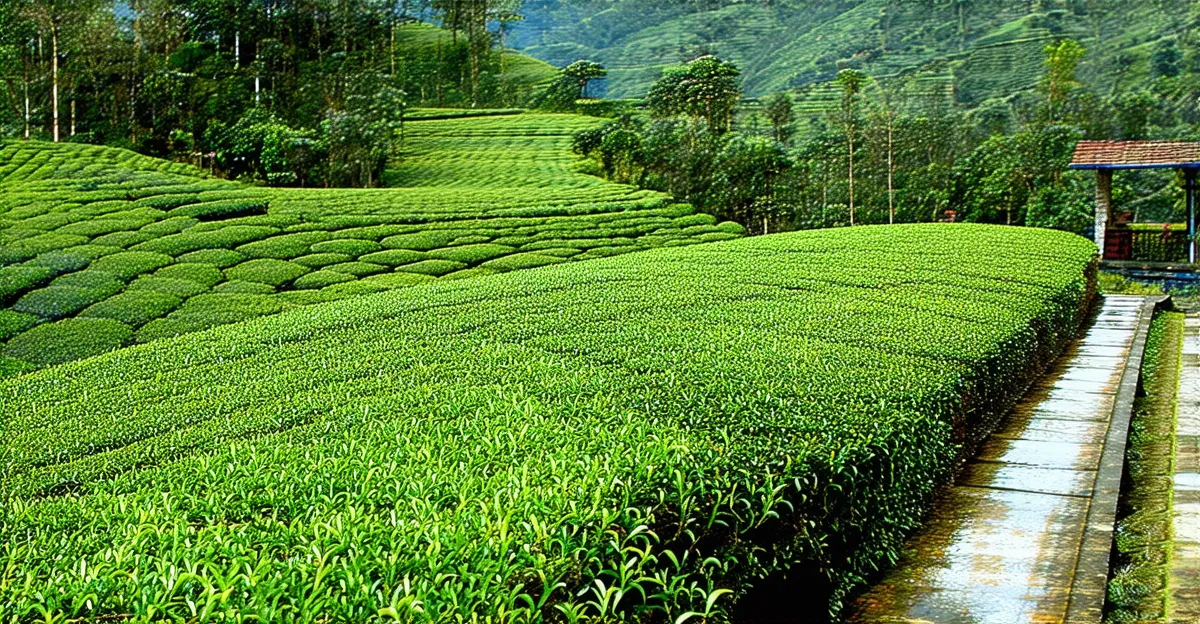
Exploring the tea gardens of Darjeeling is a must for anyone interested in the Darjeeling tea culture. The lush, rolling hills covered in vibrant green tea bushes create a stunning landscape that is both peaceful and breathtaking. As you stroll through these gardens, you’ll witness the traditional methods used by local tea pluckers, who skillfully select the finest leaves. The best time to visit is during the first flush season from March to April, when the tea plants burst with fresh leaves.
Many gardens offer guided tours, which allow visitors to learn about the entire tea production process, from plucking to processing. Furthermore, the scenic tea estates, such as Giddapahar Tea Estate and Singell Tea Estate, provide spectacular views of the Himalayas.
Pro Tip: Don’t forget your camera! The picturesque landscapes are perfect for capturing memories.
While walking through the gardens, you can enjoy a cup of freshly brewed Darjeeling tea at a local tea house, offering an authentic taste of this exquisite beverage.
8. Cultural Significance of Tea in Darjeeling
Tea is deeply rooted in the culture of Darjeeling. It is not just a beverage but an integral part of daily life for the local communities. The Darjeeling tea culture reflects the region’s history and social fabric. Historically, the tea plantations were established during the British colonial period, transforming the local economy and lifestyle.
Today, tea serves as a symbol of hospitality. Visitors are often welcomed with a cup of Darjeeling tea, showcasing the warmth and friendliness of the locals. Furthermore, tea is celebrated in festivals and local gatherings, tying together families and communities.
Did you know? Tea is often considered an essential part of social gatherings in Darjeeling?
The rituals surrounding tea-drinking highlight its cultural importance, fostering connections not only among locals but also between visitors and the vibrant local heritage.
9. Darjeeling Tea festivals: Celebrating the Culture
Darjeeling hosts several tea festivals throughout the year, celebrating its famous tea industry and the rich Darjeeling tea culture. One notable event is the Darjeeling Tea and Tourism Festival, which typically takes place in October. This festival showcases not only the exquisite teas but also local handicrafts, music, and dance performances that reflect the diverse cultural heritage of the region.
During the festival, visitors get the chance to try various varieties of Darjeeling tea, attend workshops, and explore the beautiful tea gardens. Additionally, there are also competitions for tea tasting, which add an element of fun and excitement.
Tip: Plan your visit around the tea festivals to fully immerse yourself in the local culture.
This vibrant celebration highlights the importance of tea in bringing the community together, making it an enriching experience for everyone involved. Participating in these festivals not only allows for a deeper appreciation of Darjeeling tea but also fosters connections with the local culture.
10. Sustainable Tea Practices and Eco-Tourism in Darjeeling
Darjeeling, known for its exquisite teas, is equally committed to sustainable tea practices and eco-tourism. This region emphasizes the importance of maintaining ecological balance while producing some of the finest teas in the world. Many tea estates have adopted organic farming methods, reducing the use of harmful pesticides and fertilizers. As a result, not only does this enhance the quality of Darjeeling tea, but it also supports the local biodiversity.
Eco-tourism thrives in Darjeeling, allowing visitors to explore the scenic tea gardens while promoting responsible travel. Tourists can engage with local farmers and learn about organic farming practices. Additionally, many tea estates offer tours that educate visitors about the entire tea-making process—from plucking the leaves to brewing the perfect cup. This immersive experience not only benefits tourists but also supports the local economy.
Pro Tip: When visiting Darjeeling, look for eco-friendly accommodations that practice sustainability and support local communities.
Where to explore: Consider visiting Goomtee Tea Estate for its stunning views and sustainable practices, or Darjeeling Tea Estates that offer responsible tourism initiatives, providing you an authentic experience while ensuring cultural preservation.
Exploring the Darjeeling tea culture is like taking a sensory journey through the picturesque landscapes and tradition-laden practices of this enchanting region. Whether you’re enjoying a cup of tea at a local estate or participating in a tea festival, the experience is bound to leave a lasting impression. Plan your visit to Darjeeling and indulge in the flavors and stories woven into every sip of this celebrated beverage!
Frequently Asked Questions
⭐ Recommendation: Don't miss out on amazing Darjeeling tours - book now!
A: Darjeeling tea is known for its delicate flavor, floral aroma, and muscatel notes, distinctive to its high-altitude growth.
A: Several tea estates offer guided tastings and workshops to enhance your tea palate.
A: Yes, numerous estates produce organic Darjeeling tea, emphasizing sustainable practices.
A: Some popular estates include Glenburn Tea Estate, Makaibari, and Happy Valley.
A: Yes, the Darjeeling Tea Festival celebrates the rich heritage and varieties of tea, showcasing cultural programs.
A: The unique Himalayan climate contributes to the distinct flavors of Darjeeling tea, with cool temperatures and misty conditions enhancing growth.