
Cochabamba Cuisines: Discover Local Delights
Cochabamba cuisines tantalize food lovers! Explore traditional dishes, vibrant culinary spots, and unforgettable dining experiences in Bolivia’s gastronomic hub.
On this page
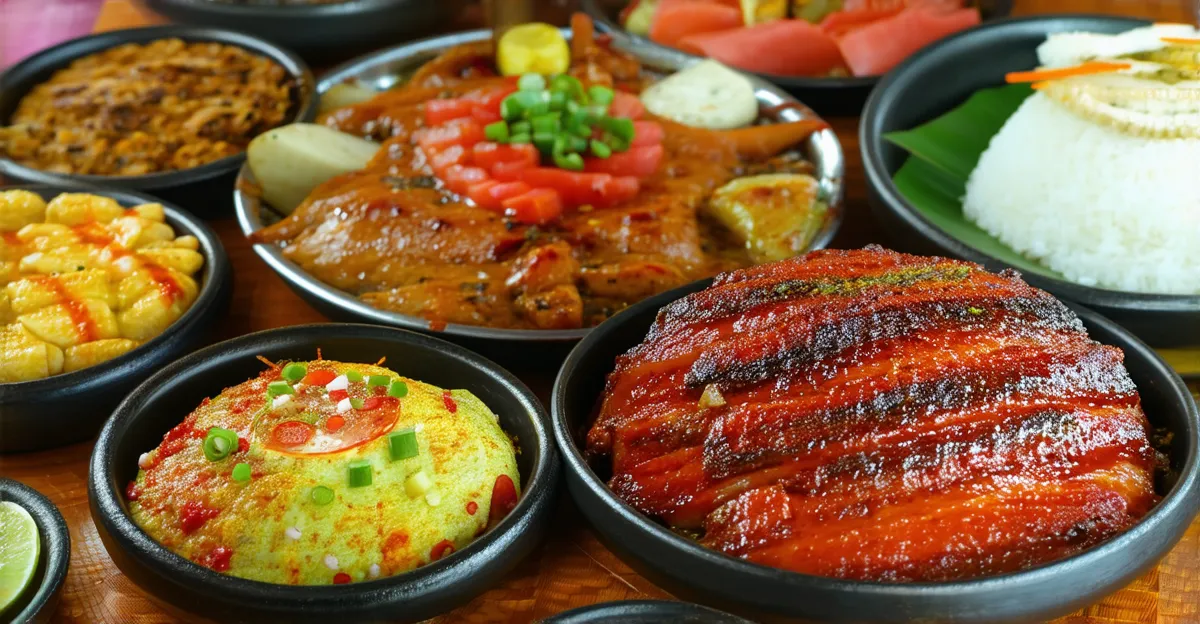
Cochabamba cuisines reflect the rich agricultural heritage and diverse cultural influences of Bolivia. Known as the ‘City of Eternal Spring,’ Cochabamba boasts a vibrant food scene that draws on local ingredients and age-old recipes. From hearty dishes like salteñas and pique a lo macho to fresh market produce, this city offers an irresistible array of flavors for every food enthusiast. This guide will take you on a culinary journey through Cochabamba, showcasing must-try dishes and dining experiences that promise to delight your palate.
Key Takeaways
- Cochabamba cuisines showcase a range of authentic flavors and ingredients.
- Must-try dishes like pique a lo macho and salteñas highlight the city’s unique food culture.
- Local markets offer fresh produce and culinary delights for all budgets.
- Participating in cooking classes can provide deeper insights into Cochabamba’s culinary traditions.
1. Pique a lo Macho: A Hearty Cochabamba classic
Pique a lo Macho is a quintessential dish that showcases the rich Cochabamba cuisines. This hearty meal combines various ingredients, primarily beef, sausage, and fried potatoes. The dish is typically garnished with bell peppers, onions, and a hint of spicy sauce that brings a flavor explosion with every bite. The beauty of Pique a lo Macho lies in its satisfying combination of textures and flavors.
This classic dish originated from the vibrant street food culture of Cochabamba. Moreover, it reflects the region’s love for generous portions and diverse ingredients. Typically served on a large platter, it is perfect for sharing, making it an ideal choice for groups.
Pro Tip: Don’t forget to ask for extra sauce; it takes the dish to a whole new level!
Where to eat: You can savor an authentic Pique a lo Macho at La Taberna or Antigua Cochabamba. These places are known for their mouthwatering versions of this beloved dish.
2. Salteñas: Sweet and Savory Bolivian Pastries
Salteñas are a must-try when exploring Cochabamba cuisines. These delightful pastries are similar to empanadas but are generously filled with a mix of meats, vegetables, and spices. Salteñas are unique because of their slightly sweet dough, which perfectly complements the savory filling. Typically, they are enjoyed hot and often come with a delicious juicy sauce inside.
What makes Salteñas stand out is their variety. You can find different fillings such as chicken, beef, and even vegetarian options. Additionally, they are usually served with hot sauce for an extra kick. Many locals enjoy them as a snack or a breakfast item.
Did you know? The ideal way to eat a Salteña is to first bite into it carefully, allowing the flavorful juices to escape.
Where to eat: Try Salteñas at Salteñería La más Ricas or Salteña del Buen Gusto, both known for their delicious and traditional versions.
3. Sopa de Maní: traditional Peanut Soup
💡 Pro Tip: Book your Cochabamba adventures in advance through Viator for the best deals!
Sopa de Maní, or peanut soup, is a comforting dish that is integral to Cochabamba cuisines. This traditional Bolivian soup is made from ground peanuts, which give it a rich and creamy texture. Often, it is combined with potatoes, carrots, and sometimes meat, creating a wholesome and filling meal. The dish is seasoned with spices like cumin and is served warm, making it perfect for chilly days.
This soup holds cultural significance, often enjoyed at family gatherings or local festivals. Its unique flavor profile makes it a memorable part of Cochabamba’s culinary landscape. Interestingly, Sopa de Maní is not just tasty but also reflects the agricultural richness of the region.
Pro Tip: Add a squeeze of lime before eating to enhance the flavors.
Where to eat: Enjoy Sopa de Maní at Café del Sol or Restaurante La Estancia, known for their authentic Bolivian flavors.
4. Humintas: Unique Corn-Based Treats
Humintas are a delicious traditional dish from Cochabamba that highlight the region’s rich agricultural heritage. Made primarily from corn, these treats are a delightful combination of sweet and savory flavors. The preparation involves grinding fresh corn and mixing it with cheese and spices, creating a thick batter that is then wrapped in corn husks and steamed. This dish is often served as a side or snack and can be enjoyed any time of the day.
Many locals enjoy humintas with a touch of fresh cheese or spicy sauces to enhance the flavor. They are particularly popular during cultural festivals and celebrations, making them a festive side dish for gatherings.
Pro Tip: To truly appreciate humintas, pair them with a local Bolivian drink like Chicha.
Where to eat: You can find delicious humintas at La Casa de la Huminta or Mercado La Cancha, where street vendors offer their unique takes on this classic dish.
5. Fainá: A Tasty Chickpea Flatbread
Fainá is a staple in Cochabamba cuisine, made primarily from chickpea flour. This flatbread is naturally gluten-free and is often enjoyed as a side dish or snack. Fainá is prepared by mixing chickpea flour with water and olive oil, creating a batter that is then baked until golden brown. The result is a crispy exterior with a soft and chewy inside.
Many locals enjoy fainá topped with cheese or alongside other dishes like Pique a lo Macho. Its versatility makes it a popular choice for those looking for quick and satisfying meals.
Did you know? Fainá is also served in Argentina and is often paired with pizza!
Where to eat: Be sure to visit El Fainá or Mercado Central for some of the best fainá in town.
6. Charquekan: Flavorful Dried Meat Dish
Charquekan is a defining dish of Cochabamba cuisine, showcasing the region’s traditional food preservation method of drying meats. The dish features chunks of dried beef, known as “charque,” which are typically rehydrated and combined with potatoes and a variety of seasonings. The result is a hearty, flavorful meal often served with a side of llajwa, a spicy tomato and chili sauce.
This dish embodies the essence of Bolivian culinary culture, emphasizing the use of local ingredients and traditional cooking techniques. It’s not only filling but also deeply rooted in historical practices of preserving food.
Pro Tip: Charquekan is best enjoyed with a glass of Bolivian beer to complement its flavors!
Where to eat: For an authentic taste of charquekan, head to La Pampa or El Mesón del Arriero, where they serve traditional versions of this beloved dish.
7. Chicha: Traditional Fermented Beverage
💡 Pro Tip: Book your Cochabamba adventures in advance through Viator for the best deals!
Chicha is more than just a drink; it is an important part of Cochabamba cuisines and holds a revered place in Bolivian culture. This traditional fermented beverage is made primarily from corn, although variations can include fruits. The fermentation process, which can take a few days, transforms the corn into a refreshing drink with a unique sour flavor.
During festivals, you will find Chicha being served in abundance. It is often enjoyed with family and friends during gatherings. Chicha Morada is a popular variant that uses purple corn mixed with spices and fruits, giving it a vibrant color and flavor. It’s a great way to cool down, especially in Cochabamba’s warm climate.
Pro Tip: Don’t hesitate to try Chicha served in a traditional way; locals will often serve it in communal bowls, encouraging sharing.
Where to enjoy this beverage? Visit local markets or traditional eateries like Mercado La Cancha, where you can sip Chicha while enjoying the vibrant atmosphere.
8. Api: A Warm Corn-Based Drink
Api is a beloved, traditional beverage in Cochabamba cuisines, commonly enjoyed during breakfast or as a warm snack throughout the day. This thick drink is made from a base of corn, sweetened with sugar, and flavored with spices like cinnamon and cloves. The combination creates a rich and comforting drink that warms the soul.
In Cochabamba, Api is often paired with pastelitos, which are small savory pastries, making it a hearty choice for an energizing start to the day. Street vendors usually sell Api in colorful stalls, where the aroma of the spiced corn fills the air.
Did you know? Api can be served in different colors, namely white and yellow, based on the type of corn used.
To savor this delightful beverage, head over to Mercado 10 de Noviembre or any local breakfast spot for an authentic tasting experience.
9. Embasados: Savory Bolivian Mud-Cooked Meats
Embasados represent a unique culinary tradition in Cochabamba cuisines, where meats are cooked in a specific technique using mud to create a savory delight. This traditional dish features various kinds of meat—usually beef or chicken—seasoned with spices and wrapped in leaves before being buried in a pit of hot stones and mud, which cooks them slowly.
The result is incredibly tender meat that’s infused with earthy flavors. Often, Embasados are served with potatoes or a refreshing salad, making for a satisfying meal. This cooking method is not only about taste; it also brings an element of community, as families and friends usually gather to share this experience.
Pro Tip: Look for local festivals where Embasados are usually featured, giving you a chance to taste this authentic dish.
To experience this dish, seek out local celebrations or families known for their Embasados. Places like Chefs Del Mercado may also offer opportunities for you to indulge in this culinary treasure.
10. Cochabamba Markets: A Food Lover’s Paradise
💡 Pro Tip: Book your Cochabamba adventures in advance through Viator for the best deals!
Cochabamba is renowned for its vibrant markets, where local ingredients, traditional dishes, and culinary craftsmanship intertwine. The markets here are not just a place to shop; they are a bustling center of culture and community. One of the most famous markets, La Cancha, is the largest in Bolivia and offers a plethora of fresh produce, spices, and local specialties that showcase the essence of Cochabamba cuisines.
As you stroll through these lively stalls, you’ll encounter enticing aromas of salteñas and sopa de maní. The market vendors are often enthusiastic, ready to share their secrets and stories about the food they prepare. In many cases, you can even sample dishes right from the kiosks, giving you a firsthand taste of Cochabamba’s culinary delights.
Tip: Visit early in the day for the freshest options and to experience the market at its liveliest, filled with locals shopping for their daily meals.
Where to explore: Don’t miss Mercado de la Pampa for fresh dairy products, or head to Mercado La Llama for traditional Bolivian dishes. These markets provide an authentic glimpse into local eating habits and are perfect for food enthusiasts and travelers alike!
Cochabamba cuisines invite you to savor the rich flavors, fresh ingredients, and vibrant culture of Bolivia. Embrace the opportunity to explore local dishes, dine in lively markets, and learn the stories behind each bite. Plan your culinary adventure in Cochabamba today and share your favorite food discoveries!
Frequently Asked Questions
A: Cochabamba is famous for dishes like pique a lo macho and salteñas, representing its rich agricultural resources.
A: Pique a lo macho, salteñas, sopa de maní, and humintas are essential experiences.
A: Yes, street stalls, local markets, and casual eateries offer a variety of budget-friendly dishes.
A: Visiting local food markets and joining tasting tours enhance your culinary experience.
A: Yes, many local dishes can be adapted for vegetarian diets, and markets offer fresh plant-based ingredients.
A: Mercado La Cancha and Mercado Joselo are popular for their fresh produce and food variety.