
Chefchaouen Culinary Tours: Discover Local Flavors
Explore Chefchaouen culinary tours and savor the best local dishes, traditional cooking classes, and unique dining experiences in this charming Moroccan city.
On this page
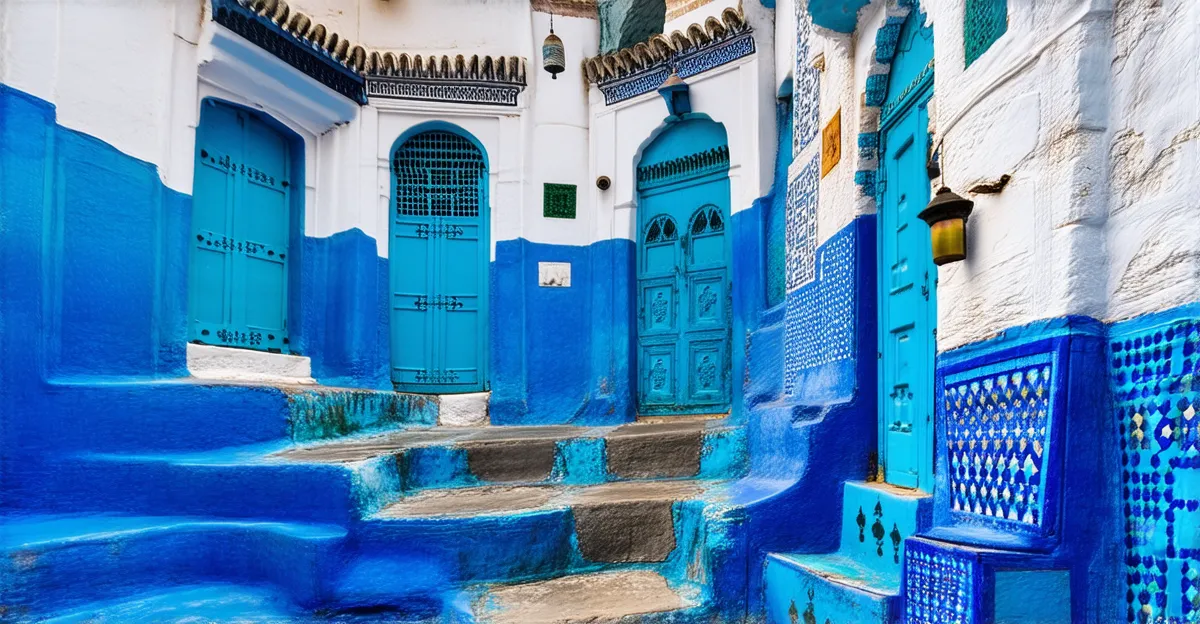
Chefchaouen, often known as the Blue City, is not only famous for its vibrant blue buildings and breathtaking landscapes but also for its rich culinary heritage. The blend of Berber, Arab, and Mediterranean influences creates a tapestry of flavors that food lovers can’t resist. From aromatic tagines to fresh mint tea, Chefchaouen offers a myriad of local dishes waiting to be explored. This guide will take you through the best culinary tours and experiences that showcase the delights of Chefchaouen’s cuisine, making it a must-visit destination for gastronomes.
Key Takeaways
- chefchaouen’s cuisine is a delightful blend of Moroccan flavors and ingredients.
- Signature dishes like tagine, couscous, and local sweets showcase its culinary diversity.
- Culinary tours provide insider access to authentic food experiences.
- street food tours and cooking classes offer immersive ways to enjoy local flavors.
1. traditional Moroccan Tagine: A Culinary Must
When exploring Chefchaouen culinary tours, one dish that stands out is the traditional Moroccan tagine. This slow-cooked stew, named after the earthenware pot it is cooked in, boasts a variety of flavors and ingredients. Tagine can be made with lamb, chicken, fish, and a plethora of vegetables, all seasoned with aromatic spices like cumin, coriander, and saffron.
As a visitor, you can’t miss trying a tagine, especially the famous chicken tagine with olives and preserved lemons. The unique cooking method not only enhances the flavors but also keeps the dish tender and moist. Additionally, local chefs often add a personal touch, creating variations that showcase the region’s culinary traditions.
Don’t forget: Tagine is traditionally enjoyed with bread, perfect for scooping up the delicious sauce!
Where to eat: For an authentic tagine experience, head to Restaurant Aladdin, where locals rave about the lamb version. Another great choice is Casa Hassan, known for its cozy atmosphere and flavorful dishes.
2. Explore Chefchaouen’s street food Scene
Chefchaouen’s street food scene is bustling and vibrant, offering an authentic taste of Moroccan life. As you wander the blue-painted streets, you’ll find numerous stalls selling popular snacks. One highlight is seffa medfuna, a sweet dish made of steamed couscous topped with almonds and cinnamon.
Another must-try is brochettes, skewered and grilled meat often enjoyed fresh off the grill. For a dessert option, don’t miss out on msemen, a flaky pastry often served with honey or sugar. These street foods are not only delicious but also provide a glimpse into the local culture and culinary practices.
Pro Tip: Grab your food and head to one of the scenic viewpoints in Chefchaouen for a picturesque meal!
Where to eat: You can find amazing street food at Place Outa el Hammam, which features various vendors offering everything from brochettes to sweet pastries.
3. Local Cooking Classes: Learn the Secrets of Moroccan Cuisine
🎯 Insider Tip: Discover the best Chefchaouen experiences with Viator Tours!
Participating in local cooking classes is one of the best ways to dive deeper into Moroccan culinary traditions while in Chefchaouen. Many classes start with a guided tour of local markets to select fresh ingredients. You’ll learn to create authentic Moroccan dishes, from tagines to couscous, under the guidance of experienced chefs.
These classes not only cover recipes but also provide insight into the cultural significance of the dishes and cooking techniques used. As you cook, you’ll have the chance to engage with locals, who will share stories and tips that make the experience all the more enriching.
Remember: The best part of cooking in these classes is enjoying the meal you’ve prepared, often accompanied by mint tea!
Where to eat: Consider booking a class at Amazigh Cooking School or Casa de la Cultura for an immersive and enjoyable cooking experience that highlights Chefchaouen’s rich cuisine.
4. Mint Tea: The Local Beverage Experience
🎯 Insider Tip: Discover the best Chefchaouen experiences with Viator Tours!
In Chefchaouen, mint tea holds a special place as the quintessential local beverage. Often referred to as “Moroccan whisky,” this sweet and fragrant tea is a delightful mixture of green tea, fresh mint leaves, and plenty of sugar. The preparation and serving of mint tea is an important ritual for locals, and it’s a symbol of hospitality.
When you visit, expect to be offered mint tea as a warm welcome. Typically served in decorative glasses, this drink is poured from a height to create a frothy surface, demonstrating the skill of the server. It’s often enjoyed throughout the day, especially during social gatherings or after meals.
Pro Tip: For an authentic experience, take part in a tea ceremony with a local family to learn the nuances of making this beloved beverage.
Where to enjoy mint tea: You can savor this refreshing drink at local cafes like Restaurant Fatima or peer out at breathtaking views while sipping at Cafe Clock in the heart of Chefchaouen.
5. Discover Spices at the Local Souks
The vibrant souks of Chefchaouen are a treasure trove for culinary enthusiasts looking to explore spices. As you wander through the bustling markets, you will be greeted by the aromatic scents of various spices that are foundational to Moroccan cuisine. From cumin and coriander to saffron and cinnamon, the variety is impressive.
These spices do not only add flavor but also bring health benefits to traditional dishes. Visiting the souks allows you to interact with local vendors, who are often eager to share their knowledge about the spices and how to use them.
Did you know? The spices you find in Chefchaouen are often sourced from local farms, ensuring freshness and authenticity.
Where to shop: Be sure to visit Souk Ait Ben Haddou for a diverse selection of spices. Souk des Épices is also a great spot, with a wide array of colorful spices and herbs just waiting to be discovered.
6. Berber Pizza: A Unique Taste of Chefchaouen
Berber pizza is a unique street food in Chefchaouen that you simply cannot miss. Unlike the Italian version, Berber pizza is usually made with a thicker crust and filled with a delectable mixture of vegetables, spices, and sometimes meat. It is then baked in traditional clay ovens, giving it an authentic, smoky flavor.
This dish reflects the rich culinary heritage of the Berber people and is a favorite among both locals and travelers. It’s often served with a side of fresh salad, making it a wholesome meal option. Whether you grab a slice on the go or enjoy it at a local eatery, it is sure to satisfy your cravings.
Pro Tip: Try it with a drizzle of harissa for an added kick of spice!
Where to eat: For the best Berber pizza, look for Pizzeria Abdeslam or Restaurant Beldi, both of which offer this tasty dish as a highlight on their menu.
7. Chefchaouen Food Tours: Guided Culinary Adventures
Embarking on Chefchaouen culinary tours is an unforgettable way to immerse yourself in the region’s rich gastronomical heritage. These guided tours allow you to explore the vibrant food culture, from local markets to hidden eateries. During the tour, you’ll have the opportunity to taste an array of authentic Moroccan dishes, each reflecting the unique flavors of Chefchaouen.
Many tours include visits to famous local restaurants where you can savor traditional meals. Moreover, you may also have the chance to meet local vendors who share stories behind each dish. This adds a personal touch and enriches your understanding of Moroccan culinary traditions.
Insider Tip: Opt for small group tours for a more intimate experience, allowing for better interaction with guides and chefs.
Where to eat: Consider Moroccan Restaurant Aladdin for a home-cooked feel after your tour, or join a Chefchaouen culinary tour by Chefchaouen Travel for a blend of sightseeing and tasting that guarantees satisfaction.
8. The Art of Couscous: Traditional Preparations
🎯 Insider Tip: Discover the best Chefchaouen experiences with Viator Tours!
Couscous is often regarded as the staple of Moroccan cuisine, and learning its art is essential when exploring Chefchaouen’s culinary landscape. Traditionally, couscous is made from steamed semolina wheat, complemented with a variety of vegetables and meats, or served as a sweet dish with raisins and almonds.
In Chefchaouen, the preparation of couscous usually involves communal cooking, bringing families and friends together. Many local homes still follow this tradition, offering a cozy setting where you can learn to prepare this beloved dish. Additionally, the flavored broth makes each plate unique.
Pro Tip: Don’t forget to experiment with different toppings like caramelized onions, spiced chickpeas, or roasted lamb!
Join local workshops that often conclude with a delicious couscous feast. For authentic experiences, consider dining at Restaurant Lala Mesouda.
9. Food Pairing with Local Wines: A Hidden Gem
While Morocco is well-known for its aromatic dishes, it also has a hidden treasure in its local wines. Pairing Moroccan cuisine with local wines, particularly those from the northern vineyards, can elevate your dining experience. Generally, light reds and crisp whites complement traditional dishes exceptionally well.
Many Chefchaouen restaurants offer wine pairings with their meals, enhancing flavors while maintaining a delightful balance. For instance, a fruity red wine matches beautifully with lamb tagine, while a chilled white is perfect with fresh seafood.
Did You Know? Moroccan wines are often made from locally grown grapes blended with French varieties, resulting in unique, flavorful offerings.
Where to taste? Visit Cafe Clock for a selection of local wines paired with delicious Moroccan dishes. Another recommendation is La Lampe Magique, known for its exquisite wine and food pairings.
10. Seasonal Dishes: What’s Fresh in Chefchaouen
Chefchaouen, with its stunning blue hues and mountainous backdrop, offers a unique culinary experience that changes with the seasons. The seasonal dishes reflect the rich agricultural landscape of the region. In spring, fresh vegetables like asparagus and artichokes feature prominently in local recipes. Summer brings an abundance of tomatoes and peppers, which are used in various salads and tagines, highlighting the vibrant flavors of Moroccan cuisine.
As autumn arrives, the kitchens in Chefchaouen start incorporating hearty ingredients like pumpkins and squash, often found in warming stews. Winter calls for comforting dishes such as harira, a thick soup made with lentils, chickpeas, and spices, perfect after a chilly day exploring the town. Additionally, the seasonal changes ensure that local markets are filled with fresh produce, allowing chefs to create unique dishes that reflect the essence of Chefchaouen’s culinary heritage.
Pro Tip: Don’t miss out on trying seasonal dishes during your visit! They offer a true taste of the region’s gastronomy.
Where to eat: For seasonal specialties, consider dining at Restaurant Hicham and Casa Hassan, both of which emphasize fresh, local ingredients in their dishes.
Chefchaouen’s culinary scene is rich, evolving, and full of heartwarming flavors waiting to be discovered. Whether you choose to explore the local markets, take a cooking class, or join a culinary tour, you are guaranteed an unforgettable experience that captures the essence of Moroccan culture. We encourage you to immerse yourself in the vibrant cuisine of Chefchaouen and share your favorite culinary discoveries along the way.
Frequently Asked Questions
A: Chefchaouen is known for its traditional Moroccan dishes like tagine, couscous, and authentic street food.
A: Don’t miss trying tagine, couscous, Berber pizza, and seasonal fresh produce.
A: Yes, many local eateries and street vendors offer budget-friendly options.
A: Join culinary tours and cooking classes to dive deeper into Chefchaouen’s food scene.
A: Yes, many dishes can be customized for vegetarian diets and there are dedicated vegetarian options.
A: Visit local cafes and restaurants; they often serve some of the best traditional mint tea.