
Carcassonne Medieval Cuisine: A Culinary Journey
Experience Carcassonne medieval cuisine! Discover traditional dishes, local flavors, and dining spots that bring history to your plate.
On this page
Carcassonne, famous for its awe-inspiring medieval fortress and captivating history, offers a unique culinary experience that draws from its rich past. Its cuisine reflects the flavors of the region, incorporating fresh, local ingredients and traditional cooking methods that echo the medieval ages. From rustic stews to delectable pastries, Carcassonne medieval cuisine invites food lovers to explore its historical culinary offerings. This guide dives into the best local dishes, food experiences, and dining spots you won’t want to miss while visiting this remarkable city.
Key Takeaways
- Carcassonne medieval cuisine draws from rich historical recipes and local ingredients.
- Signature dishes like cassoulet and foie gras highlight the area’s culinary heritage.
- From street markets to charming bistros, dining in Carcassonne caters to all budgets.
- Participating in a local cooking class can deepen your understanding of the medieval cuisine.
1. Cassoulet: A Hearty Medieval Comfort Dish
Cassoulet is perhaps the star dish of Carcassonne medieval cuisine. This slow-cooked casserole originates from the region and is a perfect comfort food for all seasons. Typically, it consists of white beans, meat (like duck, pork, and sausages), and flavorful herbs. The dish embodies the heartiness and rustic charm of the medieval culinary tradition.
The unique preparation of cassoulet involves simmering the ingredients for hours, allowing the flavors to meld beautifully. Moreover, the dish is often topped with breadcrumbs to create a delightful golden crust. Eating a warm bowl of cassoulet is like savoring the essence of Carcassonne.
Pro Tip: It’s best enjoyed with a glass of local wine, which complements the rich flavors.
Where to eat: For an authentic cassoulet experience, head to Le Bistro de la Cité or Restaurant La Marque D’eau, where they serve this dish with passion and tradition.
2. Cochon de Lait: Traditional Suckling Pig
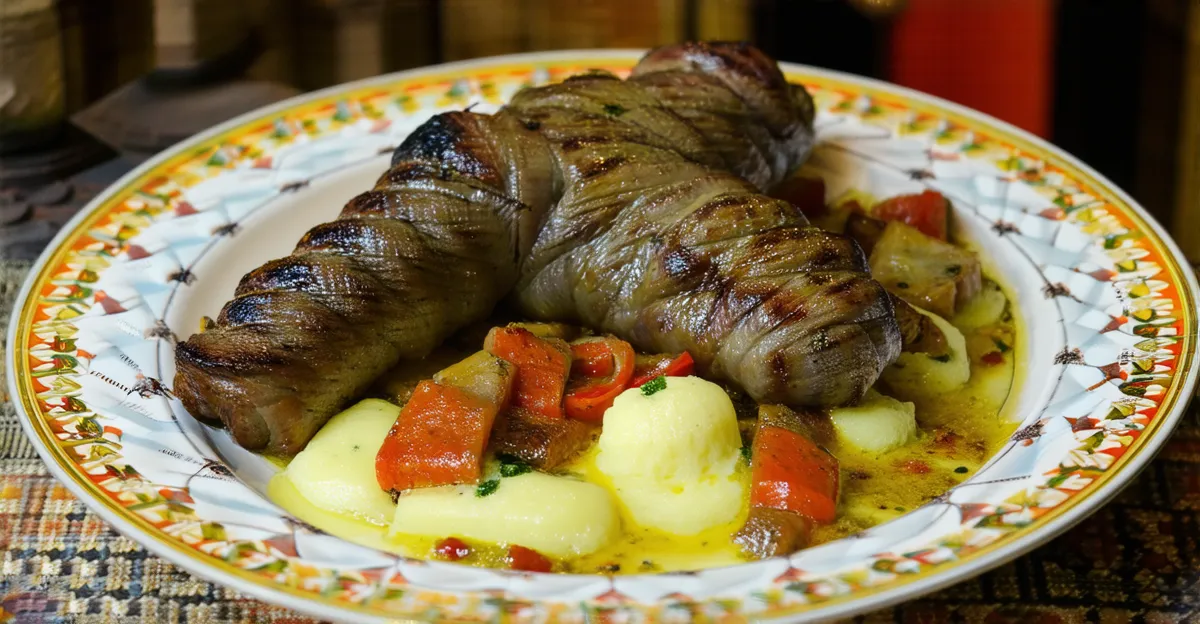
Cochon de Lait, or suckling pig, is a traditional dish that showcases the medieval cuisine of Carcassonne. This succulent roast is typically prepared for special occasions and gatherings, reflecting the region’s agricultural heritage. The pig is cooked slowly until the skin becomes crispy and the meat tender, releasing savory flavors throughout.
This dish is often seasoned with herbs and spices, enhancing its appeal. Its presentation is usually grand, making it an attraction during festive meals. Cochon de Lait is not just food; it signifies celebration and communal feasting.
Do you want to try something traditional? Be sure to taste this dish at local festivals!
Where to eat: For the best Cochon de Lait, check out La Table de L’Ousteau, where the chef uses traditional methods passed down through generations.
3. Foie Gras: A Taste of Luxury
🌟 Local Expert Tip: Get the most out of your Carcassonne visit with guided tours!
No discussion of Carcassonne medieval cuisine would be complete without mentioning foie gras. This luxurious dish is made from the liver of a fattened duck or goose and is a symbol of French gastronomy. Foie gras is rich, creamy, and is often served as a pâté or mousse, spread on bread or paired with fruits.
Its origins date back to ancient times, representing a culinary tradition that has evolved over the centuries. This delicacy is celebrated for its smooth texture and flavor, making it a sought-after starter at upscale meals.
Insider Tip: Enjoy foie gras with a sweet wine for a perfect balance of flavors.
Where to eat: For a true taste of foie gras, visit Le Parc Franck Putelat or L’Atelier du Gastronomie, known for their exquisite preparations and presentations.
4. Ratatouille: A Rustic Vegetable Medley
🌟 Local Expert Tip: Get the most out of your Carcassonne visit with guided tours!
Ratatouille is more than just a delightful dish; it embodies the essence of Carcassonne medieval cuisine, showcasing the rich flavors of fresh vegetables. Traditionally, this vegetable medley includes ingredients like zucchini, eggplant, peppers, tomatoes, and herbs, all locally sourced from the fertile region of Languedoc-Roussillon. Notably, each vegetable contributes its unique taste, creating a harmonious blend that is both hearty and satisfying.
This dish is often prepared in a rustic style, which makes it perfect as a side or a main vegetarian option. Furthermore, it can be served warm or at room temperature, making it an excellent choice for a summer picnic or a cozy dinner. Many chefs in Carcassonne take pride in their secret family recipes, often sharing them at local restaurants.
Did you know? Ratatouille is typically served with a drizzle of high-quality olive oil, enhancing the fresh flavors of the vegetables while providing a lovely sheen.
Where to eat: For an authentic Ratatouille experience, visit Le Jardin de la Tour, known for its rustic take on traditional dishes. Alternatively, Les Trois A offers an exquisite version that showcases seasonal ingredients.
5. Tarte aux Poires: Pear Tart Dessert
No visit to Carcassonne is complete without indulging in the delightful Tarte aux Poires, a classic French dessert that stands out in Carcassonne medieval cuisine. This pear tart combines a buttery pastry crust with sweet, juicy pears and is often finished with a light pastry cream, creating a deliciously rich texture. The tart is usually baked until golden brown, highlighting the natural sweetness of the pears.
Tarte aux Poires is loved not only for its taste but also for its simplicity. It can be enjoyed after a hearty meal or as a perfect accompaniment to coffee or tea during an afternoon break. Moreover, many local bakeries and patisseries in Carcassonne offer their unique spins on this traditional tart, ensuring you can find the perfect slice.
Pro Tip: Pair your tart with a scoop of vanilla ice cream or a dollop of whipped cream for an indulgent treat!
Where to eat: Don’t miss Pâtisserie Delbosc, where you can sample their famous Tarte aux Poires, or Le Palais des Pâtisseries, known for its exquisite homemade pastries.
6. Local Cheeses: A Selection of French Delicacies
When exploring Carcassonne medieval cuisine, one must not overlook the region’s incredible selection of local cheeses. The Languedoc-Roussillon area is renowned for its variety of dairy products, each with unique flavors and textures. From creamy Roquefort to nutty Comté, these cheeses are often made from the milk of local sheep and cows, reflecting the terroir of the region.
Cheese is an essential component of French meals and is often served as an appetizer or a part of a cheese platter. Pairing different cheeses with fresh bread, fruits, and local wines creates a delightful tasting experience. This tradition has deep roots in the culture, making cheese tastings a popular activity for both locals and tourists.
Pro Tip: Don’t forget to try Cabriolet, a unique local goat cheese that is beloved for its tanginess!
Where to eat: To enjoy a superb selection of local cheeses, visit Fromagerie La Maison du Fromage or Le Comptoir de la Fromagerie, where knowledgeable staff can guide you through various options.
7. Fougasse: The Flavored Bread of Carcassonne
Fougasse is a traditional bread that reflects the heart and soul of Carcassonne medieval cuisine. This flatbread is known for its unique shapes and flavorful additions. Typically, fougasse is infused with ingredients like rosemary, olives, or cheese, making it a delightful accompaniment to any meal.
This rustic bread is often served warm, enhancing its rich aroma. Eating fougasse straight from the oven is an experience in itself. Moreover, its texture, crispy on the outside yet soft inside, captivates the palate. Transitioning from a hearty meal to this bread is easy, as it pairs well with soups and stews, or can simply be enjoyed with a drizzle of olive oil.
Tip: Try toasting the fougasse to intensify the flavors before serving alongside your favorite dishes.
Where to eat: For some of the best fougasse in Carcassonne, visit La Table de Franck or Boulangerie La Cité, both of which are renowned for their freshly baked breads.
8. Duck Confit: A Classic French Dish
🌟 Local Expert Tip: Get the most out of your Carcassonne visit with guided tours!
Duck Confit stands out as one of the most celebrated dishes in Carcassonne medieval cuisine. This dish consists of duck legs that are slow-cooked in rendered fat. As a result, the meat becomes incredibly tender, with a rich flavor that makes it irresistible.
The process of preparing duck confit is meticulous, often requiring several hours to ensure the perfect taste and texture. After cooking, the duck is typically crisped up in a pan before serving, providing a delightful contrast to its tender meat. Furthermore, this dish is often served alongside potatoes or seasonal vegetables, complementing its savory appeal.
Pro Tip: Pairing duck confit with a glass of local wine enhances the dining experience significantly.
Where to eat: Indulge in an authentic duck confit experience at Le Parc, where their rendition has been praised by locals and tourists alike, or at Chez Vacca, a well-known spot for traditional French fare.
9. Truffles: Hidden Gems of the Region
Truffles are among the hidden gems of the Carcassonne medieval cuisine, adding a luxurious touch to various dishes. These rare fungi are highly prized for their unique aroma and rich flavor. It’s often said that truffles can elevate even the simplest of meals.
Did you know? Local markets in the Carcassonne region feature truffle vendors selling fresh truffles when they are in season.
Where to eat: To savor dishes with fresh truffles, consider dining at Le Puits de Trésor or Les cuisines de l’Opéra, where chefs craft exceptional meals that celebrate this exquisite ingredient.
10. wine from the Languedoc-Roussillon Region
The Languedoc-Roussillon region is renowned for producing some of the best wines in France, making it a key component of Carcassonne medieval cuisine. With its diverse climate and varied terrains, the region offers a rich tapestry of wine styles. From robust reds to refreshing whites, there is something for every palate.
One notable wine variety is Minervois, a bold and fruity red wine crafted primarily from Syrah and Grenache grapes. Additionally, you might want to sample the Côtes du Roussillon, which is known for its rich, spicy character that perfectly complements hearty medieval dishes.
Pro Tip: Always ask for local wine recommendations when dining in Carcassonne to experience the true essence of the region.
When exploring wine options in Carcassonne, you can’t miss the Corbières, which offers an exciting range of flavors and pairs wonderfully with dishes like cassoulet or duck confit. For white wine lovers, Picpoul de Pinet is a fantastic choice, delivering a crisp and zesty profile.
Where to taste: Visit Vins de Carcassonne for an extensive selection of local wines or explore Les Caves Bories for a unique tasting experience in a charming setting.
Carcassonne medieval cuisine offers a delightful journey through time, showcasing the traditional flavors and dishes that have shaped the region’s culinary identity. Whether indulging in hearty cassoulet or savoring exquisite local cheeses, each bite tells a story of history and heritage. We invite you to share your culinary experiences or plan a trip to Carcassonne to explore its medieval flavors.
Frequently Asked Questions
A: Carcassonne is famous for dishes like cassoulet, a slow-cooked bean stew, and traditional charcuterie.
A: Must-try delicacies include cassoulet, duck confit, and local cheeses.
A: Yes, local markets and cafes offer budget-friendly meals.
A: Join a culinary tour or cooking class for an immersive experience.
A: Yes, many restaurants offer vegetarian-friendly options like ratatouille and local salads.
A: Visit local bistros and brasseries for authentic cassoulet experiences.