
Cafayate Cuisines: Taste the Local Flavors
Cafayate cuisines are a delight! Discover regional specialties, dining spots, and culinary experiences in this charming Argentinian town.
On this page
Cafayate cuisine is a vibrant celebration of Argentinian flavors, reflecting the rich cultural heritage and natural bounty of the region. Renowned for its exquisite wines and fresh produce, Cafayate offers food enthusiasts an opportunity to indulge in local dishes and unique culinary experiences. From traditional empanadas to innovative wine pairings, this guide explores the must-try dishes and dining spots that make Cafayate a culinary destination.
Key Takeaways
- Cafayate cuisines offer a unique blend of local flavors and ingredients.
- Signature dishes like empanadas, asado, and local wines are essential to explore.
- Dining experiences range from rustic eateries to charming wine bistros.
- Food tours are a fantastic way to dive deep into Cafayate’s culinary culture.
1. local Wine Tastings: Cafayate’s Charm
Cafayate, located in Argentina’s Salta province, is famous for its stunning landscapes and thriving wine culture. The Cafayate cuisines truly shine through its local wine tastings, showcasing the area’s flagship varietals such as Torrontés and Malbec. Visitors often find themselves enchanted by the beautiful vineyard settings, making wine tasting a delightful experience.
Many wineries offer guided tours where you can learn about the wine-making process and indulge in tastings paired with local cheeses and cured meats. This not only enhances your appreciation of the wines but also offers a glimpse into the region’s vibrant culinary landscape. Notably, the cool nights in Cafayate contribute to the outstanding acidity and aroma of the wines produced here.
Pro Tip: Be sure to try the “terroir” wines that reflect the unique characteristics of Cafayate’s soil and climate.
Where to taste? Check out Bodega El Esteco for its superb Torrontés, or Hijos de Cafayate for a wonderful wine tasting experience accompanied by stunning views of the vineyards.
2. traditional Empanadas: Flavors of Cafayate
Empanadas are a beloved staple in Cafayate cuisines and can be found in various forms throughout the region. These delightful pastries are typically filled with meat, cheese, or vegetables, making them the perfect snack or meal option. Cafayate’s empanadas are often distinguished by their unique fillings, locally sourced ingredients, and a distinctive dough that yields a flaky texture.
In Cafayate, you can try the famous empanada salteña, typically filled with spiced meats and hard-boiled eggs. Another popular variant is the cheese empanada, which melts in your mouth, combining texture and flavor beautifully. Empanadas are often enjoyed with a glass of wine, making them an excellent choice for a local culinary experience.
Did you know? Many locals enjoy their empanadas with a side of salsa or chimichurri for an extra kick!
Where to eat? Visit La Casa de las Empanadas for some of the best traditional options or head to Cafayate Bodega where you can pair your empanadas with locally-produced wine.
3. Asado: The Heart of Argentinian Cuisine
💡 Pro Tip: Book your Cafayate adventures in advance through Viator for the best deals!
Asado is not just a meal in Cafayate; it is a social event and a beloved tradition. This traditional Argentine barbecue features a variety of meats grilled to perfection, often over an open flame or wood fire. Asado gatherings bring family and friends together, making it a central aspect of Cafayate cuisines.
The meats commonly used include beef ribs, short ribs, and sausages, all seasoned with simple spices to enhance their natural flavors. Traditionally, asado is accompanied by delicious sides such as provoleta (grilled provolone cheese) and various salads.
Pro Tip: Don’t miss out on the homemade chimichurri sauce, which perfectly complements the grilled meats!
To experience an authentic asado, look for local restaurants or stay at a guesthouse that offers this culinary delight. One recommended spot is El Rancho, where you can savor one of the best asados in the area, surrounded by the beautiful landscapes of Cafayate.
4. Salteñas: Sweet and Savory regional Treats
Salteñas are a beloved Cafayate cuisine staple that embodies the rich culinary traditions of Argentina. These delightful pastries are filled with a variety of ingredients, including spiced meats, vegetables, and even sweet versions with fruits. They are distinguished by their flaky, golden crust, which encases the flavorful filling. Typically enjoyed as a snack or appetizer, salteñas are best eaten warm, allowing you to savor their delicious flavors.
Moreover, the region’s unique culinary heritage influences the fillings used in salteñas. Many families have their secret recipes passed down through generations. This provides a unique flavor experience every time you try them in different parts of Cafayate.
Pro Tip: Pair your salteñas with a local wine to create a perfect match of flavors. The combination will elevate your tasting experience.
Where to eat: To indulge in the best salteñas, head over to La Casa de las Empanadas, known for its wide selection of these savory pastries.
5. Quilmes: Renowned Argentinian Beer
No exploration of Cafayate cuisine is complete without mentioning Quilmes, Argentina’s most famous beer. Originating from the city of Quilmes, this lager is characterized by its light, refreshing taste and golden color. Its balanced flavor profile makes it an ideal companion to a variety of dishes, especially hearty meals like asado or empanadas.
Moreover, Quilmes has become a part of the Argentine culture, often enjoyed during celebrations and gatherings with friends. Its popularity in Cafayate is impressive, as locals and tourists alike enjoy this iconic beer while relaxing in the stunning vineyards.
Fun Fact: Many bars in Cafayate offer a local twist by serving Quilmes with a splash of lime, enhancing its refreshing notes.
Where to drink: To sample Quilmes in Cafayate, visit La Estancia, a local bar known for its excellent drink selection and vibrant atmosphere.
6. Local Cheese: A Taste of Cafayate’s Dairy
💡 Pro Tip: Book your Cafayate adventures in advance through Viator for the best deals!
Cafayate is not only known for its exceptional wines but also for its delicious local cheeses, which reflect the region’s agricultural heritage. The area produces a wide variety of cheeses, from creamy quesos frescos to aged varieties that boast intense flavors. These cheeses are often made from the milk of local goats and cows, providing a unique taste that sets them apart.
Additionally, cheese plays a significant role in the local gastronomy, often served as an appetizer or paired with wines during tastings. The blend of flavors found in Cafayate’s cheeses showcases the artistry of local cheesemakers, who pride themselves on using traditional methods.
Pro Tip: Try pairing local cheeses with freshly baked bread for a delightful snack that highlights the best of Cafayate cuisine.
Where to find it: Visit La Boutique del Queso to explore a delightful selection of local cheeses and other regional delicacies.
7. Chivito: The Delightful Goat Dish
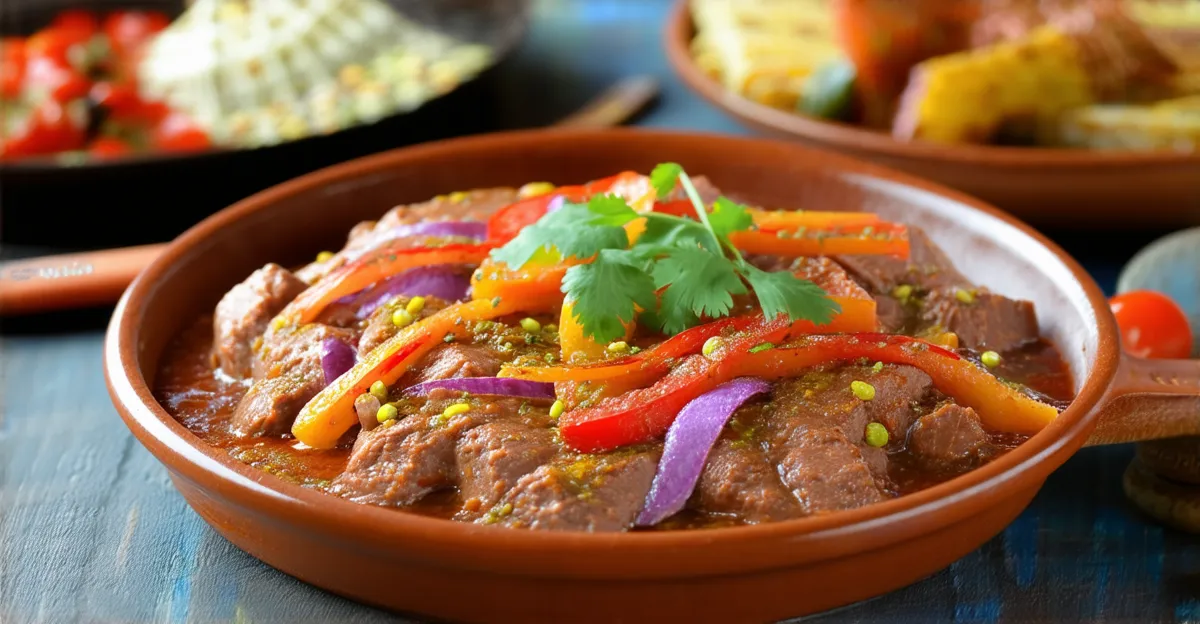
Chivito is a delightful dish that showcases the culinary traditions of Cafayate. This specialty features tender goat meat, marinated and slow-cooked to perfection. Traditionally, it’s prepared with local herbs, spices, and sometimes a touch of wine from Cafayate’s renowned vineyards, which enhances its rich flavor.
What makes Chivito truly special is its versatility. Chefs often serve it grilled, stewed, or braised, allowing the goat’s unique taste to shine through. Accompanied by fresh vegetables or a side of locro (a hearty stew), Chivito makes for a satisfying meal. This dish embodies the essence of Argentinian cuisine, emphasizing the use of quality ingredients and time-honored cooking methods.
Pro Tip: For an authentic experience, pair Chivito with a glass of the local Malbec, enhancing the flavors of this exquisite dish.
Where to eat: Head over to La Casa de las Empanadas to enjoy a fantastic Chivito, and don’t miss the cozy Restaurante Piatto for their uniquely prepared goat dishes.
8. Cafayate’s Seasonal Fruits: Nature’s Bounty
Cafayate’s climate is perfect for growing a wide variety of fruits, making it a real treat for fruit lovers. You can find everything from luscious grapes, which are used in local wine production, to sweet plums and juicy peaches. Seasonal fruits offer an opportunity to experience the vibrant flavors of the region in every bite.
Farmers’ markets are common in Cafayate, where you can find stalls brimming with fresh, organic fruits. Visiting these markets not only allows you to taste the fruits straight from the orchard but also supports local farmers. These seasonal delights can be enjoyed fresh, in juices, or even in traditional desserts.
Did you know? The sweet and tangy Cherries from Cafayate are particularly famous and a must-try during the harvesting season!
Where to eat: For a fresh fruit experience, check out La Casa del Dulce, where you can indulge in delightful fruit-based desserts and juices.
9. Traditional Dulce de Leche: A Sweet Indulgence
No visit to Cafayate is complete without savoring the traditional Dulce de Leche. This delicious caramel-like treat is made from slowly heating sweetened milk until it thickens, creating a rich and creamy texture. Often used as a filling for pastries, cakes, and even spread on toast, Dulce de Leche is cherished by locals and visitors alike.
What’s special about Cafayate’s Dulce de Leche is its unique flavor profile, often enhanced with a hint of vanilla or cinnamon. You can find this sweet indulgence in many local desserts or even served on its own. It’s a delightful way to satisfy your sweet tooth while experiencing the local culture through food.
Pro Tip: Don’t miss trying Dulce de Leche ice cream, a local favorite, especially on hot days!
Where to eat: For the best Dulce de Leche desserts, visit Heladería Cafayate and indulge in their famous Dulce de Leche ice cream or Bakery El Trigal for pastries filled with this sweet delicacy.
10. Café con Leche: The Perfect Finish
No meal in Cafayate is complete without a cup of Café con Leche. This beloved drink, which means “coffee with milk” in Spanish, is a staple in Cafayate’s dining culture and is enjoyed by locals at any time of the day. Typically made with strong espresso and steamed milk, it creates a creamy and rich coffee experience.
The locals often savor it alongside breakfast, pairing it with freshly baked facturas or sweet pastries. It’s perfect for warming up after a long day exploring the scenic vineyards or rugged landscapes surrounding the region. Transitioning to dessert, Café con Leche complements sweet treats like dulce de leche perfectly.
If you want to savor an authentic experience, ask for your Café con Leche to be served with a dash of cinnamon for a flavorful twist!
Where to enjoy: For the best Café con Leche in Cafayate, visit La Casa de la Sopa for their inviting atmosphere and delicious coffee. Alternatively, Heladería El Faro not only serves delightful ice creams but also offers a fantastic cup of coffee to finish your meal.
Cafayate cuisine is a feast for the senses, showcasing the best of Argentine flavors and hospitality. Whether indulging in local wines or savoring traditional dishes, you’re sure to find something that delights your palate. Plan your culinary journey to Cafayate and share your taste experiences with fellow food lovers!
Frequently Asked Questions
💡 Pro Tip: Book your Cafayate adventures in advance through Viator for the best deals!
A: Cafayate is known for its world-class wines, particularly Torrontés, and traditional Argentinian dishes.
A: Don’t miss out on empanadas, asado, and churros filled with dulce de leche.
A: Absolutely! Cafayate has several casual eateries and food stalls offering delicious options on a budget.
A: Participate in wine tastings, local food tours, and visit markets to truly embrace the local flavors.
A: Yes, many restaurants offer plant-based dishes, especially seasonal vegetables and cheese plates.
A: You can find remarkable local wines at vineyards such as Bodega El Esteco and Bodega Vasija Secreta.