
Busan Cuisines: Explore Local Flavors and Dishes
Busan cuisines offer a delightful journey through local flavors. Discover must-try dishes and hidden dining gems in South Korea’s vibrant port city.
On this page
Busan cuisines embody the rich maritime heritage and vibrant culture of South Korea’s second-largest city. Known for its fresh seafood, spicy dishes, and unique flavors, Busan’s culinary scene offers an exciting array of experiences for food enthusiasts. From traditional marketplaces to modern eateries, Busan cuisines showcase regional specialties that you simply cannot miss. In this guide, we will delve into the must-try dishes and top dining spots that reveal the essence of Busan’s food culture.
Key Takeaways
- Busan cuisines highlight a rich variety of seafood dishes and bold flavors.
- Signature dishes like sashimi and ddeokbokki reflect the city’s culinary heritage.
- Visitors can enjoy street food, local markets, and traditional BBQ experiences.
- Exploring Busan’s food culture includes visiting markets and indulging in local dining.
1. Sashimi: Fresh Delights from the Sea
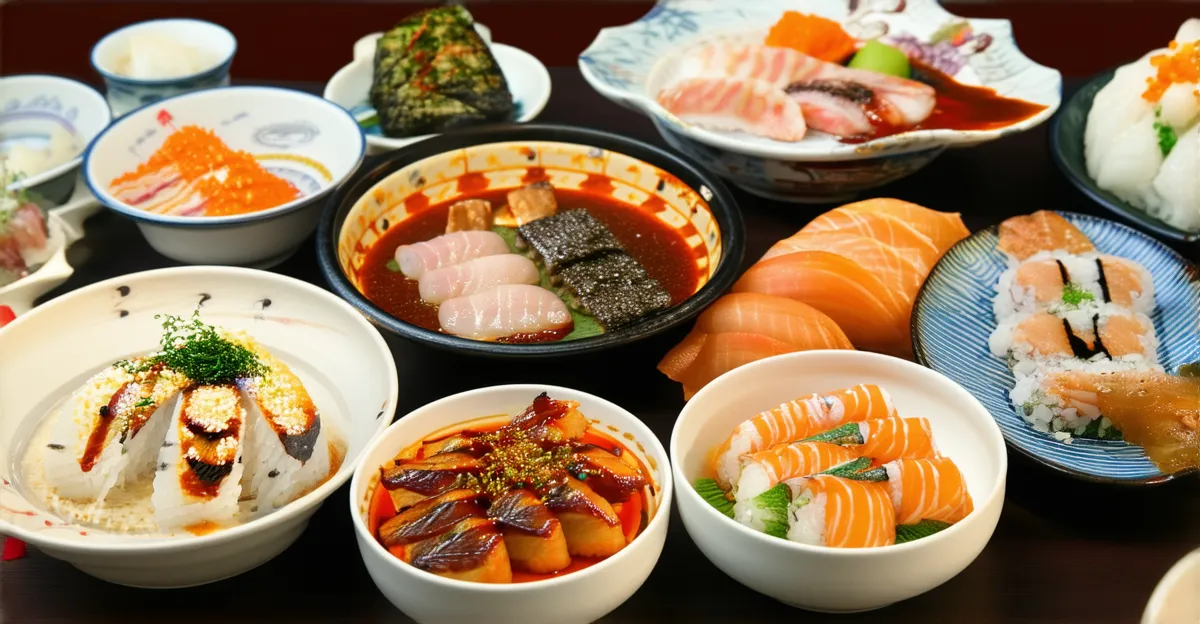
Busan is renowned for its cuisines, especially when it comes to fresh seafood. One of the staples you must try is sashimi, which highlights the freshness of the ocean’s bounty. The city, being a coastal gem, provides access to some of the freshest fish and seafood in Korea. Typically served thinly sliced, sashimi is enjoyed with soy sauce, wasabi, and sometimes a side of pickled vegetables.
In Busan, you can find a variety of sashimi options, from flounder to octopus and mackerel. Each bite melts in your mouth, offering a taste of the sea that’s hard to replicate elsewhere. Additionally, many restaurants allow you to witness the art of preparing sashimi right before your eyes, making the experience even more special.
Did you know? The best time to enjoy sashimi in Busan is during the summer months when the catch is at its peak.
Where to eat: For an authentic sashimi experience, visit Fish Market Street or the popular Haeundae Market, where you can feast on fresh catches of the day.
2. Ddeokbokki: Spicy Rice Cake Magic
Ddeokbokki is another iconic dish in Busan’s vibrant food scene. These chewy rice cakes are stir-fried in a spicy gochujang sauce, creating a delightful fusion of sweet and hot flavors. It is a beloved snack, often enjoyed at street food stalls or casual eateries across the city. The dish is typically garnished with fish cakes, boiled eggs, and green onions, making it not only flavorful but also visually appealing.
What’s great about ddeokbokki is that you can customize it! You can add ingredients like cheese, vegetables, or even seafood to enhance the taste. As you dig into this dish, the combination of textures and tastes transports you to another level of culinary delight.
Pro Tip: Pair your ddeokbokki with a cup of cold makgeolli for a traditional experience.
Where to eat: For the best ddeokbokki, visit Ddeokbokki Alley in Nampo-dong, where you’ll find various vendors serving this delectable dish.
3. Busan Seafood Markets: A Culinary Adventure
⭐ Recommendation: Don't miss out on amazing Busan tours - book now!
One of the highlights of exploring Busan cuisines is visiting its bustling seafood markets. The most famous is Jagalchi Market, which is the largest in Korea. Here, you can see an incredible array of fresh fish, shellfish, and other marine treasures. The atmosphere is lively, with vendors showcasing their catches and inviting you to taste samples right on the spot.
Jagalchi Market is also known for its sashimi stalls, where you can indulge in fresh seafood prepared in front of you. You can choose your favorite seafood, have it prepared, and enjoy it with traditional side dishes. Additionally, the nearby Gukje Market offers a vast range of local delicacies and products, making it a perfect spot for a culinary adventure.
Remember: Don’t miss trying some street food snacks as you explore the markets!
Where to eat: While at Jagalchi Market, visit Jagalchi Seafood Restaurant for an excellent sashimi experience, and make sure to explore the food stalls for fried seafood treats.
4. Pork and Beef BBQ: The Grill Culture of Busan
Busan’s culinary scene is renowned for its pork and beef BBQ, a celebration of grilling that brings both locals and visitors together. The experience typically involves grilling marinated meats right at your table. Common cuts include samgyeopsal (pork belly) and carne asada (beef brisket), which are not only delicious but allow you to engage in the cooking process.
Additionally, these meats are often served with an array of side dishes, known as banchan, including kimchi and pickled vegetables, which enhance the dining experience. You can wrap your grilled meat in lettuce, adding a spoonful of ssamjang for a burst of flavor.
Pro Tip: Pair your BBQ experience with soju, a traditional Korean liquor, which makes the meal even more enjoyable!
Where to eat: For an authentic BBQ experience in Busan, visit Seongdong Galbi or Pork Belly Ribs. Both spots are favorites among locals for their high-quality meats and vibrant atmosphere.
5. Haemul Pajeon: Savory Seafood Pancakes
Haemul Pajeon is a beloved dish in Busan, famous for combining two of Korea’s favorites: seafood and pancakes. This savory treat is made by mixing a variety of seafood, like shrimp, squid, and clams, with green onions and a flavorful batter. It is then pan-fried to achieve a crispy exterior while retaining a tender inside.
The best way to enjoy Haemul Pajeon is to share it among friends, alongside a dipping sauce made from soy sauce and vinegar, which adds a tangy contrast. It is especially popular on rainy days, as it’s said to pair well with drinking makgeolli (rice wine).
Did you know? Haemul Pajeon is often enjoyed during the traditional Korean ‘jeongwol daeboreum’ festival, celebrating the first full moon of the lunar year.
Where to eat: For delicious Haemul Pajeon, check out Gukje Market or Bokguk Samgyetang where you can find freshly made options that capture the essence of Busan’s coast.
6. Jjamppong: Hearty Spicy Noodle Soup
⭐ Recommendation: Don't miss out on amazing Busan tours - book now!
Jjamppong is a hearty and spicy noodle soup that truly represents the robust flavors of Busan cuisines. This dish is characterized by its rich broth made from seafood and vegetables, along with wide wheat noodles. It’s known for its vibrant red color, which comes from a mixture of chili powder and other spices.
Jjamppong is perfect for those who crave something warm and fulfilling. The combination of seafood, including clams and squid, adds a unique umami depth to the soup. It is not uncommon for this dish to be paired with kimchi fried rice, making it a satisfying meal.
Pro Tip: Try to top your Jjamppong with a sprinkle of sesame seeds to enhance the dish’s flavors!
Where to eat: For the best Jjamppong, head to Sasang Jjamppong or Gukbap Alley, which are well-known for their authentic recipes and hearty servings.
7. Galbijjim: Tender Braised Short Ribs
Galbijjim, a beloved dish in Busan cuisines, features tender braised short ribs cooked to perfection. Generally made with beef short ribs, this dish is slow-cooked in a savory sauce made from soy sauce, garlic, ginger, and sugar, which infuses the meat with a rich flavor. The result is melt-in-your-mouth tenderness that’s hard to resist.
Traditionally, Galbijjim is served with vegetables like carrots, radishes, and onions, creating a hearty and balanced meal. The dish is often enjoyed during special occasions, making it a perfect choice for gatherings and family dinners.
Pro Tip: Enjoy Galbijjim with a side of steamed rice to soak up the delicious sauce and enhance the experience.
Where to eat: If you’re in Busan, head to Jagalchi Fish Market where some stalls offer excellent Galbijjim. Alternatively, Haeundae Jjip is well-known for its authentic taste and generous portions.
8. Gukbap: Comforting Soup with Rice
Gukbap, a staple in Busan cuisines, combines soup and rice into a comforting dish that’s perfect for any time of year. The name translates to “soup rice,” which reveals its essence. Typically, it features a flavorful broth made from beef or pork, simmered for hours to develop a rich taste.
What sets Gukbap apart is its variety. Different regions may have their unique spin on it, incorporating various proteins or vegetables. This dish is typically served hot and garnished with scallions and sesame oil, adding freshness and depth to each bite.
Did you know? Gukbap is often enjoyed as a hangover cure, making it a popular choice among locals after a night out.
Where to eat: Visit Busan Gukbap near the busy Seomyeon area for a best-selling version. Another great spot is Baekjeong, which offers a cozy atmosphere and delicious Gukbap.
9. Hotteok: Sweet Korean Pancakes
No culinary trip to Busan is complete without tasting Hotteok, a popular street food that delights both locals and tourists alike. These sweet pancakes are filled with a sugary mix of brown sugar, cinnamon, and chopped nuts, which creates a gooey center that oozes with flavor when you take a bite. The pancake itself is crispy on the outside and soft on the inside, making it a delightful treat at any time of day.
Hotteok is especially popular during the colder months, offering a warming street food option for those exploring the vibrant streets of Busan. Vendors often make them fresh right in front of you, ensuring a delicious experience.
Pro Tip: Don’t forget to try different variations, some vendors even offer savory fills!
Where to eat: Try the renowned Gukje Market for diverse Hotteok options or head over to Nampo-dong, where you can find stalls serving freshly made pancakes.
10. Makgeolli: Traditional Korean Rice Wine
Makgeolli is a traditional Korean rice wine that has a rich history in Korean culture, particularly in cities like Busan. This slightly sweet and milky beverage is made from fermented rice, giving it a unique flavor and texture that is both refreshing and satisfying. Often enjoyed during meals, makgeolli pairs beautifully with various dishes, enhancing the overall dining experience.
In Busan, makgeolli is not just a drink; it is a social experience. Typically served in a bowl, this wine encourages sharing and communal enjoyment. It’s common to see locals gather over cups of makgeolli, accompanied by hearty side dishes. During your visit, make sure to try makgeolli along with some savory pancakes, known as haemul pajeon, for a delightful pairing.
Did you know? Makgeolli is sometimes referred to as “farmers’ wine” because it has been enjoyed by rural communities for generations during harvest celebrations.
Where to drink: For an authentic experience, head to Gwangalli Beach, where local bars offer freshly brewed makgeolli and farm-fresh side dishes. Alternatively, Jangsu Makgeolli offers a variety of flavored options that are perfect for beginners and connoisseurs alike.
Busan cuisines offer an unforgettable journey into the flavorful world of South Korean food. The city’s combination of fresh seafood, spicy dishes, and vibrant dining experiences make it a culinary paradise for all food lovers. Don’t miss the opportunity to indulge in these local flavors and immerse yourself in Busan’s culture. Share your favorite Busan dishes or plan your next food adventure to this mesmerizing city!
Frequently Asked Questions
⭐ Recommendation: Don't miss out on amazing Busan tours - book now!
A: Busan is famous for its fresh seafood, especially sashimi, as well as spicy dishes like ddeokbokki.
A: Some must-try dishes include sashimi, haemul pajeon, and jjamppong.
A: Yes! Street food stalls and local markets offer budget-friendly meals and snacks.
A: Visit Gukje Market or Jagalchi Fish Market for authentic food experiences and local tastings.
A: Yes, you can find vegetarian options, especially in side dishes served with meals.
A: The Jagalchi Fish Market is renowned for some of the freshest sashimi in the city.