
Bukhara Spice Markets: A Flavorful Journey
Discover Bukhara spice markets! Explore vibrant flavors, local dishes, and must-visit food spots in this guide to Uzbekistan’s culinary treasures.
On this page
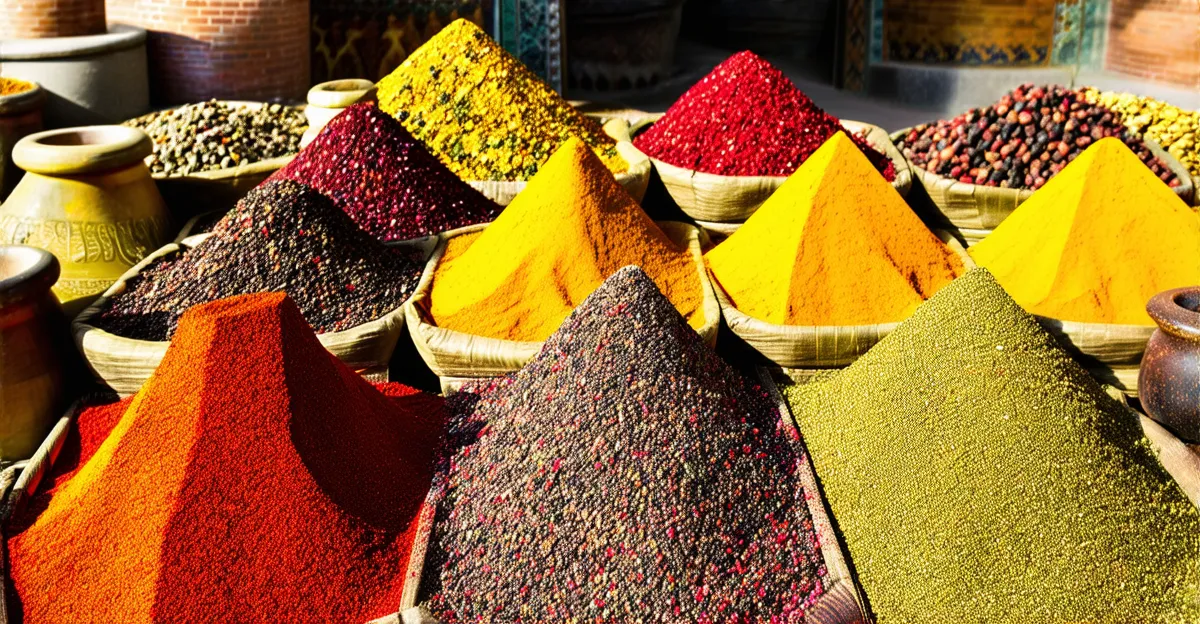
Bukhara is a city that pulses with historical significance, and its spice markets offer a microcosm of its rich culinary diversity. Nestled along the ancient Silk Road, Bukhara’s spice markets are a feast for the senses, filled with vibrant colors and alluring aromas. These bustling markets showcase local specialties, from exotic spices to traditional dishes that embody the essence of Uzbek cuisine. Whether you are a passionate foodie or a curious traveler, exploring Bukhara’s spice markets is an unforgettable experience that highlights the unique flavors and culinary traditions of the region.
Key Takeaways
- Bukhara spice markets offer an array of spices essential to Uzbek cuisine.
- Signature dishes like Plov and Manty showcase the richness of local flavors.
- Visiting the domed markets provides an immersive cultural and culinary experience.
- Cooking classes allow for a hands-on approach to mastering traditional recipes.
1. The History and Culture of Bukhara Spice Markets
Bukhara, a city steeped in history, is known for its vibrant spice markets. These markets date back centuries and serve as a testament to the city’s role in the Silk Road trade. Traders from various regions brought their spices here, creating a melting pot of cultures and flavors. The intricate interplay of different cuisines is evident in the spice vendors’ stalls, where colorful arrays of spices tantalize every visitor.
Today, Bukhara’s spice markets are not only places to shop but are also cultural hubs. Locals and tourists alike flock to these markets to explore the rich heritage of the city. They offer an authentic glimpse into the traditional way of life. Moreover, the warm interactions with vendors provide delightful stories about the spices and their uses. This atmosphere enriches the shopping experience, blending commerce with cultural exchange.
Pro Tip: Don’t hesitate to ask the vendors for advice on which spices to purchase. They are often eager to share their knowledge!
2. Essential Spices: Discovering Bukhara’s Signature Flavors
Bukhara is renowned for several essential spices that define its unique cuisine. Cumin, with its warm, earthy flavor, is commonly used in many dishes, including pilaf and kebabs. Coriander adds a refreshing note and is a key player in various seasoning mixes. Black pepper is also fundamental for adding heat to dishes.
Another standout spice is ajwain, known for its distinct aroma, often used in bread and pastries. Furthermore, sumac, with its tangy taste, is frequently sprinkled over salads and grilled meats, offering a unique flavor profile. Additionally, saffron from Bukhara is especially famous for its vibrant color and luxurious taste, contributing significantly to the region’s culinary delights.
As you explore the Bukhara spice markets, indulge your senses by smelling and sampling these spices. They not only elevate local dishes but also tell the story of Bukhara’s rich culinary traditions.
3. Must-Try Local Dishes of Bukhara Cuisine
🌟 Local Expert Tip: Get the most out of your Bukhara visit with guided tours!
Bukhara cuisine is flavorful and diverse, influenced by its rich cultural heritage. A must-try dish is Pilaf, a fragrant rice dish cooked with spices, carrots, and often lamb or chicken. This hearty dish exemplifies the essence of Bukhara’s love for rich flavors. Another essential is Manti, which are delicious dumplings typically filled with meat and served with yogurt sauce.
Don’t miss out on Kebabs either; they are popular throughout Uzbekistan. In Bukhara, you’ll find them grilled to perfection, marinated and served with fresh bread and onion salad. Additionally, Shurpa, a savory soup with chunks of meat and vegetables, is perfect for those looking to warm up.
Pro Tip: Pair these dishes with a local drink called Chai, a traditional tea that complements the spices beautifully.
When visiting Bukhara, sampling these local dishes is essential to experiencing the city’s culinary heart.
4. Exploring the Bukhara Domed Markets
🌟 Local Expert Tip: Get the most out of your Bukhara visit with guided tours!
The Bukhara domed markets, or toki, are not just shopping centers; they are the heart and soul of the city’s vibrant culture. These historical markets date back to the Silk Road era, where traders from various regions gathered to exchange goods. Today, the domed architecture provides a unique atmosphere, creating a stunning backdrop for your shopping spree.
As you wander through the bustling stalls, you’ll encounter a colorful array of spices, textiles, and traditional handicrafts. The Bukhara spice markets are renowned for their exquisite range of aromatic spices such as cumin, coriander, and saffron. Moreover, the deep, rich flavors of these spices encapsulate the essence of Uzbek cuisine.
Tip: Don’t hesitate to engage with local vendors; they often have fascinating stories about the history of their spices and products!
Other must-see highlights include beautifully woven carpets, intricate ceramics, and handcrafted jewelry. A visit to these markets is essential for any traveler wanting to immerse themselves in the local culture of Bukhara.
5. street food Wonders: Bukhara’s Culinary Delights
Bukhara is a treasure trove of street food, offering tantalizing options that reflect its rich culinary heritage. Strolling through the old city, you’ll find delicious snacks waiting to be discovered. One must-try is shurpa, a hearty soup made with tender meat and fresh vegetables, perfect for a quick lunch.
Another popular street food is somsa, a savory pastry filled with flavorful meat or vegetables and baked until golden brown. Street vendors sell these delights hot and fresh, making them an ideal snack while exploring the bustling streets of Bukhara.
Pro Tip: Pair your street food with a cup of chai—a traditional tea that complements the richness of Uzbek dishes beautifully.
The variety doesn’t stop there! Try plov, a signature Uzbek rice dish that’s often prepared in large quantities, ensuring every bite is as delicious as the last. Overall, Bukhara’s street food scene is a pivotal part of its culture and a delight not to be missed.
6. Cooking Classes: Learning the Art of Uzbek Cuisine
For those looking to deepen their culinary knowledge, participating in a cooking class in Bukhara can be a rewarding experience. Many local chefs are eager to share their expertise, guiding participants through the preparation of classic Uzbek dishes. From mastering the famous plov to kneading dough for non, these sessions are both educational and fun.
Cooking classes often begin with a visit to the local spice markets, allowing you to select fresh ingredients. Learning about the various spices and their uses will enhance your understanding of Bukhara’s unique flavors. After sourcing ingredients, classes usually involve hands-on preparation, making the learning experience immersive.
Tip: Look for classes that offer market tours, as they provide a holistic view of the local culinary landscape!
At the end of the class, you’ll not only enjoy the fruits of your labor but also take home authentic recipes to impress friends and family back home. This culinary adventure is a fantastic way to connect with the local culture while tasting the rich flavors of Bukhara.
7. The Role of Saffron in Bukhara Spice Markets
Saffron, often hailed as the world’s most valuable spice, plays a crucial role in the Bukhara spice markets. This exquisite herb not only adds vibrant color but also a unique flavor to a variety of traditional dishes. Gathered meticulously by hand, Bukhara’s saffron is known for its high quality and aroma, which enhances both the taste and visual appeal of meals.
In Bukhara, saffron is typically used in dishes like plov, the national rice dish, giving it a warm golden Hue. Additionally, it is infused in teas and desserts, showcasing its versatility. As you explore the spice markets, be sure to ask vendors for advice on using saffron—many are more than happy to share traditional recipes.
Pro Tip: When purchasing saffron, look for deep red strands that are dry and fragrant. Avoid yellow or orange threads that may indicate lower quality.
Where to buy: You can find excellent saffron at local markets such as the Chor Minor Caravanserai, where spice merchants proudly display their finest products.
8. Bukhara’s Unique Bread – Non
🌟 Local Expert Tip: Get the most out of your Bukhara visit with guided tours!
When you visit Bukhara, you must try the traditional bread known as non. This round, flatbread is not only a staple food but is also an integral part of local culture. Bukhara’s non is baked in a tandoor (clay oven), producing a crispy exterior with a soft, fluffy inside. It is often decorated with patterns, making each loaf a work of art.
Non is typically enjoyed with meals, served alongside stews, soups, or simply with butter. The locals consider it disrespectful to waste bread, which highlights its importance in daily life. Moreover, you will often find vendors selling freshly baked non in local markets, its warm aroma drawing you in.
Did you know? Each region in Uzbekistan has its own variation of non, but Bukhara’s version is particularly famous for its unique flavor and texture.
Where to eat: Grab your fresh non at Bakery No.2, renowned for its traditional preparation and delicious offerings.
9. The Influence of Silk Road on Bukhara’s Culinary heritage
The Silk Road has profoundly influenced Bukhara’s culinary landscape, merging flavors and techniques from various cultures. This ancient trade route connected the East and West, allowing spices, herbs, and innovative cooking methods to flow into the heart of Central Asia.
As a result, Bukhara’s cuisine boasts a blend of Persian, Arabic, and Mongolian influences. Dishes often feature aromatic spices like cumin, coriander, and of course, saffron. The introduction of rich ingredients such as dried fruits and nuts has also created unique dishes, making Bukhara a gastronomic delight.
Pro Tip: Explore local dishes with a nod to the Silk Road, such as osh (plov) and manti (dumplings) to truly experience this cultural fusion.
Where to dine: For an authentic experience, dine at Restaurant Minbar which beautifully captures this blend of traditions and flavors in their menu.
10. Tips for Bargaining and Shopping in the Spice Markets
Visiting the Bukhara spice markets is not just about purchasing spices; it’s an experience steeped in culture and tradition. To make the most out of your shopping adventure, mastering the art of bargaining is essential. First and foremost, always approach with a friendly smile. This sets a positive tone and encourages vendors to give you the best price.
When you find something you like, don’t hesitate to haggle. Vendors often price their goods with the expectation that you will negotiate. Start with a lower offer and be prepared to meet somewhere in the middle. Remember, patience is key; rushing can lead to overpaying.
Pro Tip: It’s common for vendors to offer small samples. This not only allows you to taste the spices but also can lead to enjoyable conversations and better deals.
Be aware of the local currency and understand the approximate value of spices before entering to avoid confusion during negotiations. Additionally, consider visiting in the morning before the crowds arrive; this may give you a better chance of receiving personalized attention from the vendors.
Finally, enjoy the experience! The Bukhara spice markets are vibrant and full of life. Take time to explore and immerse yourself in the atmosphere, creating memories along with your spice collection.
Bukhara’s spice markets are more than just a place to shop; they represent a vibrant tapestry of cultural heritage and culinary artistry. From aromas that awaken the senses to flavors that linger in memory, this enchanting city invites all food lovers to embark on a delicious adventure. Don’t miss the opportunity to visit the spice markets, savor traditional dishes, and deepen your understanding of this historic region’s culinary landscape. Share your favorite Bukhara delicacies and plan your visit to these vibrant spice markets today!
Frequently Asked Questions
A: Bukhara is known for saffron, cumin, coriander, and sumac, among other spices.
A: Plov, Shashlik, and Lagman are top dishes that highlight Bukhara’s flavors.
A: Yes, Bukhara’s spice markets are open year-round, with peak activity in summer.
A: Yes, street food is generally safe to eat, but it’s advisable to choose busy stalls.
A: Bargaining is expected; start with a lower offer and negotiate respectfully.
A: Local culinary schools and some spice market vendors offer cooking classes.