
Broome Indigenous Food: A Culinary Journey
Explore Broome indigenous food! Discover local Bush Tucker, unique dishes, and dining experiences that connect with Aboriginal culture in this guide.
On this page
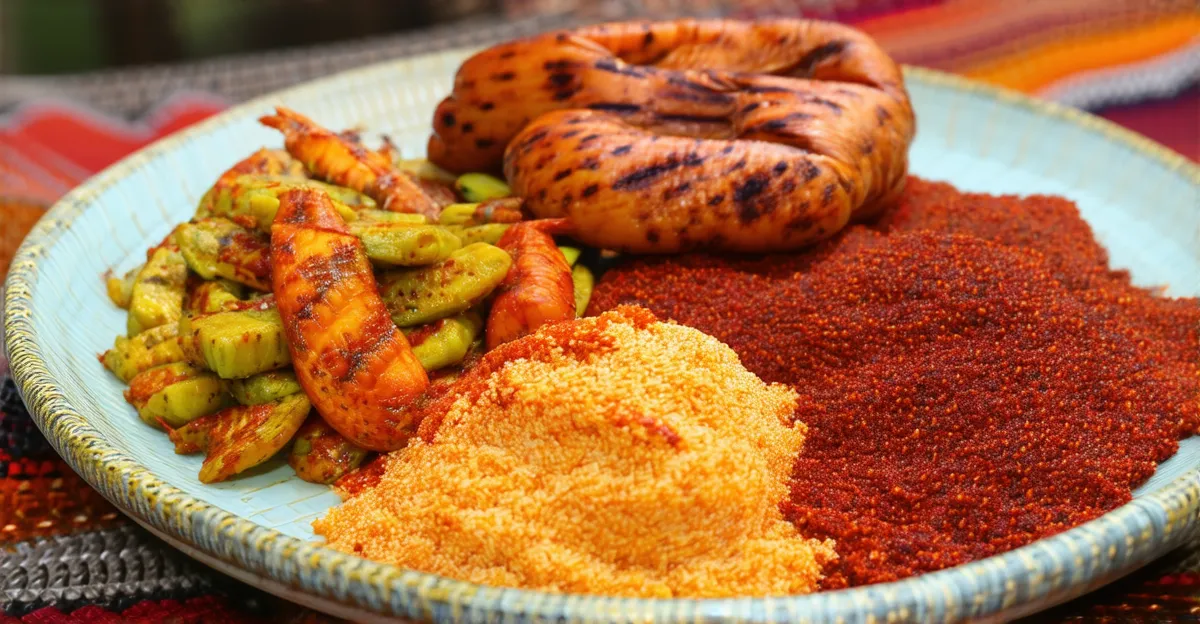
Broome indigenous food is a vibrant tapestry of flavors and traditions, deeply rooted in the rich Aboriginal heritage of the region. From the bountiful waters of the Kimberley coast to the unique landscapes of the Outback, Broome offers gastronomic experiences that celebrate native ingredients and ancient cooking methods. This guide invites food lovers to explore local Bush Tucker, savor indigenous dishes, and discover dining spots that make Broome a must-visit for culinary adventurers.
Key Takeaways
- Broome indigenous food showcases a variety of unique flavors from native ingredients.
- Traditional dishes reflect the culture and deep connection of Aboriginal people to the land.
- seafood plays a significant role in indigenous cuisine, offering fresh flavors from local waters.
- Culinary experiences like foraging and cultural tours provide immersive insights into food traditions.
1. The Essence of Bush Tucker: Understanding Indigenous Ingredients
Bush tucker refers to the native Australian foods that are integral to the Broome indigenous food experience. These ingredients are not only rich in flavor but also steeped in cultural significance. Traditionally, Indigenous Australians have relied on these local resources for thousands of years, developing a profound understanding of the land and its offerings.
Common bush tucker ingredients include kakadu plums, finger limes, and bush tomatoes. Each ingredient holds its unique nutritional and flavor profiles, making them distinguishable in various dishes. For instance, kakadu plums are famous for their tartness and high Vitamin C content.
Pro Tip: When visiting Broome, try to sample dishes that highlight these indigenous flavors to gain a true understanding of local cuisine.
As you explore the area, remember that embracing bush tucker is about connecting with the land and its people. This experience enriches your culinary journey while honoring the traditions and history of Indigenous Australians.
2. Traditional Dishes: A Taste of Broome’s Culinary Culture
The culinary culture of Broome is vibrant and diverse, shaped significantly by its indigenous community. Traditional dishes often incorporate bush tucker ingredients, showcasing the unique flavors of the region. One popular dish is kangaroo stew, which combines tender meat with native herbs and spices for a deliciously hearty meal.
Another staple is damper, a traditional bread made with self-raising flour and water, often cooked over an open fire. This simple yet satisfying bread pairs well with numerous dishes and is a beloved part of Broome’s heritage.
Did you know? Indigenous dishes often tell a story about the land, its people, and their connection to nature.
Where to eat: For an authentic taste of traditional Broome cuisine, visit Matso’s Brewery, known for its innovative use of local ingredients. Another option is Broome’s Indigenous Cultural Centre, which offers culinary experiences showcasing traditional dishes.
3. Sea foods: A Connection to Broome’s Coastal Heritage
🎯 Insider Tip: Discover the best Broome experiences with Viator Tours!
Living by the coast, Broome boasts an incredible array of seafood that holds cultural significance for Indigenous Australians. The waters off Broome are rich in marine life, making them a primary source of food for local communities. Popular catch includes mud crabs, prawns, and barramundi, all of which can be found in traditional recipes.
seafood dishes often reflect the connection between the community and the ocean. For example, cooking mud crabs with bush spices enhances the natural flavor, creating a uniquely Broome dining experience. Locals also enjoy fresh prawns grilled or served in salads, making the most of the available resources.
Pro Tip: Join local fishing tours to learn about sustainable fishing practices and gain firsthand experience with the region’s seafood.
Where to eat: To taste fresh seafood, visit The Zookeepers Store for their acclaimed barramundi or Blue Oyster Bar for delicious mud crab dishes. Enjoying local seafood is not just a meal; it’s a way to engage with Broome’s rich coastal heritage.
4. native Fruits and Nuts: Discovering the Flavors of the Wild
Broome’s indigenous food scene is rich with native fruits and nuts that reflect the unique landscape and culture of the area. These ingredients are not only packed with flavor but also carry significant cultural importance. For instance, boab nuts are not only nutritious, but they also have a deep connection to the local Indigenous communities, who have utilized them for centuries. They can be used in both sweet and savory dishes.
Other native fruits like finger limes and bush tomatoes provide a burst of flavor that’s unlike anything found in conventional cuisines. Finger limes, with their caviar-like pearls, can elevate any dish, making them a favorite among chefs. Moreover, bush tomatoes bring a unique tangy taste that adds depth to many traditional recipes.
Pro Tip: Visiting local markets can be a wonderful way to discover fresh native fruits and nuts, perfect for sampling and understanding how they can be incorporated into meals.
Whether enjoyed fresh or used in cooking, these native fruits and nuts are essential components of Broome’s Indigenous culinary heritage. They provide a genuine taste of the land and the stories behind its people.
5. Foraging and Cooking Classes: Hands-On Food Experiences
For those eager to dive deeper into the world of Broome indigenous food, foraging and cooking classes offer an exceptional hands-on experience. These classes commonly feature knowledgeable Indigenous guides who share their expertise in locating and identifying local ingredients. Participants can explore the wild to discover various plants, fruits, and bush tucker that are often overlooked.
Once foraged, the classes typically lead into the kitchen, where the fresh ingredients can be transformed into mouthwatering dishes. Cooking experiences showcase how to prepare meals using traditional Aboriginal methods, highlighting the connection between the food and the culture. This immersive learning not only fuels the body but also nourishes the spirit.
Tip: To fully appreciate the flavors, participating in a cooking class can empower you to recreate the dishes at home, allowing the rich heritage of Indigenous cuisine to continue.
Foraging and cooking classes are a fantastic way to engage with the land and learn about its significance, ensuring that these traditional techniques will thrive for future generations.
6. Indigenous Restaurants: Where Tradition Meets Modern Cuisine
In Broome, several Indigenous restaurants serve as beacons of cultural heritage, merging traditional flavors with modern culinary techniques. These establishments celebrate Broome indigenous food by crafting dishes that pay homage to ancestral recipes while also appealing to contemporary palates. For example, Mabu Mabu is a well-known spot where you can discover a mix of bush tucker and local seafood presented creatively.
Another notable venue is Ganbu Gunu, where visitors can indulge in flavors inspired by Indigenous knowledge and ingredients. Patrons often rave about dishes featuring freshly foraged herbs, unique fruits, and seafood, all while enjoying the stories of the land told by the chefs.
Pro Tip: To experience genuine Indigenous flavors, be sure to sample their tasting menus, which showcase a variety of dishes that tell the story of Broome’s culinary culture.
Dining at these Indigenous restaurants not only satisfies your appetite but also allows you to connect with the vibrant past and ongoing stories of the local Indigenous communities through their cuisine.
7. Cultural Food Tours: A Journey Through Broome’s Culinary Landscape
🎯 Insider Tip: Discover the best Broome experiences with Viator Tours!
Cultural food tours in Broome provide a unique opportunity to experience indigenous food in a rich historical context. These tours often blend storytelling with culinary exploration, allowing participants to understand the significance of each dish deeply. Tour guides, many of whom belong to the local indigenous communities, share their knowledge about traditional ingredients and cooking methods.
During these tours, you may have the chance to taste authentic bush tucker dishes made from native ingredients. For instance, kangaroo, emu, and various bush herbs are often featured. Additionally, participants can learn about the traditional practices of foraging and hunting, connecting them to the land in a meaningful way.
Pro Tip: Look for tours that offer hands-on cooking experiences, allowing you to prepare meals with the guidance of indigenous chefs.
Where to eat: For an immersive experience, consider Boomerang Restaurant, which is known for its authentic indigenous dishes. Alternatively, Broome Cultural Tours often include food tasting as part of their packages, showcasing the best of Broome’s culinary heritage.
8. Dessert Delights: Sweet Treats Inspired by Indigenous Ingredients
When it comes to desserts, Broome’s indigenous food culture brings unique flavors to the table. One popular treat is Quandong Pie, made from the tart quandong fruit, often likened to a cross between a peach and an apricot. This delightful pie is usually served warm, and its rich flavor profile is a true testament to the sweetness of indigenous ingredients.
Another notable dessert is the use of Wattleseed in various treats. Its nutty flavor makes it an ideal addition to cakes, cookies, and even ice creams. The buzz of flavors in these desserts offers a delicious insight into indigenous culinary traditions.
Did you know? Wattleseed desserts are often paired with bush honey, creating a perfect blend of sweet and earthy elements.
Where to eat: For mouthwatering Quandong Pie, visit Matso’s Broome Brewery which features local ingredients in their menu. For Wattleseed desserts, don’t miss the delightful offerings at Sheila’s Place.
9. Stories Behind the Food: Connecting Through Culinary Tales
The stories behind Broome’s indigenous food are as rich as the flavors themselves. Each dish tells a tale of the land, the people, and their traditions. For instance, food has always played a vital role in ceremonies and gatherings. Understanding these contexts adds depth to your culinary experience.
Indigenous communities often share tales of how specific foods are sourced, prepared, and consumed. These narratives are vital for preserving cultural heritage. It’s common to hear stories that explain the significance of ingredients, like how bush tomato is used not just for cooking but also holds cultural meaning.
Pro Tip: Engage actively with your guides during tours, as their stories can enhance your culinary journey profoundly.
Where to eat: To hear these stories firsthand, dining at Café D’Amore can offer insights into local traditions. Additionally, joining cultural events at Broome Historical Museum often includes culinary storytelling sessions.
10. Future of Indigenous Cuisine: Reviving Cultural Heritage
🎯 Insider Tip: Discover the best Broome experiences with Viator Tours!
The future of Broome Indigenous food is poised for a renaissance as more chefs and food enthusiasts seek to embrace and revive traditional culinary practices. There is a growing recognition of the importance of indigenous ingredients and the environmental knowledge tied to them. This revival isn’t just beneficial for preserving cultural identity; it also highlights the sustainability and uniqueness of indigenous culinary methods, which utilize native plants and animals.
Furthermore, modern chefs are beginning to experiment with indigenous flavors, incorporating them into contemporary dishes while respecting traditional preparation techniques. This integration creates a dialogue between generations while promoting awareness and appreciation of indigenous food.
Did you know? The revival of indigenous cuisine also plays a key role in educating both locals and visitors about the rich cultural narratives behind the ingredients.
Restaurants across Broome are showcasing this culinary shift, inviting diners to explore and experience meals that are both meaningful and delicious. As culinary tourism continues to grow, Broome’s indigenous cuisine has the potential to take center stage, allowing everyone to savor the rich flavors and stories behind this vibrant food culture.
In conclusion, the future looks bright for Broome’s indigenous cuisine, as it continues to evolve while honoring its roots, encouraging both respect for cultural heritage and a deeper connection to the land.
Broome Indigenous food is a gateway to understanding the rich cultural and culinary heritage of its Aboriginal communities. From the unique flavors of Bush Tucker to modern culinary interpretations, there is so much to explore and savor. We invite you to embrace the journey of culinary discovery in Broome and share your favorite indigenous dishes with fellow food lovers!
Frequently Asked Questions
A: Bush Tucker refers to traditional Aboriginal food sources, including native plants and animals.
A: Try dishes like barramundi, kangaroo, witchetty grubs, and quandong desserts.
A: Yes, fruits like bush plums, finger limes, and bush tomatoes are popular in local dishes.
A: Participate in food tours, visit indigenous restaurants, or join cooking classes for hands-on experiences.
A: Several restaurants offer plant-based dishes highlighting native ingredients.
A: Seafood is often grilled, smoked, or used in stews with local herbs and spices.