
Seoul Street Food: A Tasty Adventure Awaits
Seoul street food is a culinary delight! Discover the best unique bites and vibrant food stalls in this guide for foodies exploring South Korea.
On this page
Seoul Street Food: A Culinary Journey Through the City
Seoul street food is more than just eats; it’s a vibrant expression of the city’s culture and creativity. From bustling night markets to quaint street corners, the aroma of grilled skewers, tteokbokki, and sweet treats fills the air, creating an irresistibly inviting atmosphere. This guide will take you on a delicious journey through Seoul’s must-try street foods, highlighting flavors that make the city a paradise for food lovers eager to explore local delicacies. Whether you’re a first-time visitor or a seasoned traveler, the street food scene in Seoul promises memorable experiences that showcase its culinary heritage.
Key Takeaways
- Seoul street food offers an array of unique flavors and dishes for everyone.
- Signature street snacks like tteokbokki and hotteok highlight the city’s culinary scene.
- Street food is an affordable and enjoyable way to taste local cuisine.
- Night markets are the best spots to explore Seoul’s vibrant street food culture.
1. Tteokbokki: Spicy Rice Cakes That Impress
Tteokbokki, a must-try when exploring Seoul street food, features chewy rice cakes stir-fried in a spicy gochujang sauce. This dish is a perfect balance of heat, sweetness, and umami flavors. Generally, vendors sell it from steaming hot cauldrons, creating an irresistible aroma that draws you in.
Served often with fish cakes, cabbage, and boiled eggs, tteokbokki is both filling and satisfying. Transitioning from a late-night snack to a popular meal option, people of all ages enjoy this dish. If you’re seeking a unique twist, try tteokbokki with cheese or top it with ramen noodles for an extra layer of flavor.
Pro Tip: Pair it with a cold drink to balance the spiciness!
Where to eat: Visit Gwangjang Market for some of the best tteokbokki in the city, or head to Wangsimni Tteokbokki, a renowned spot famous for its delectable variations.
2. Korean Fried Chicken: Crunchy Delight on the Go
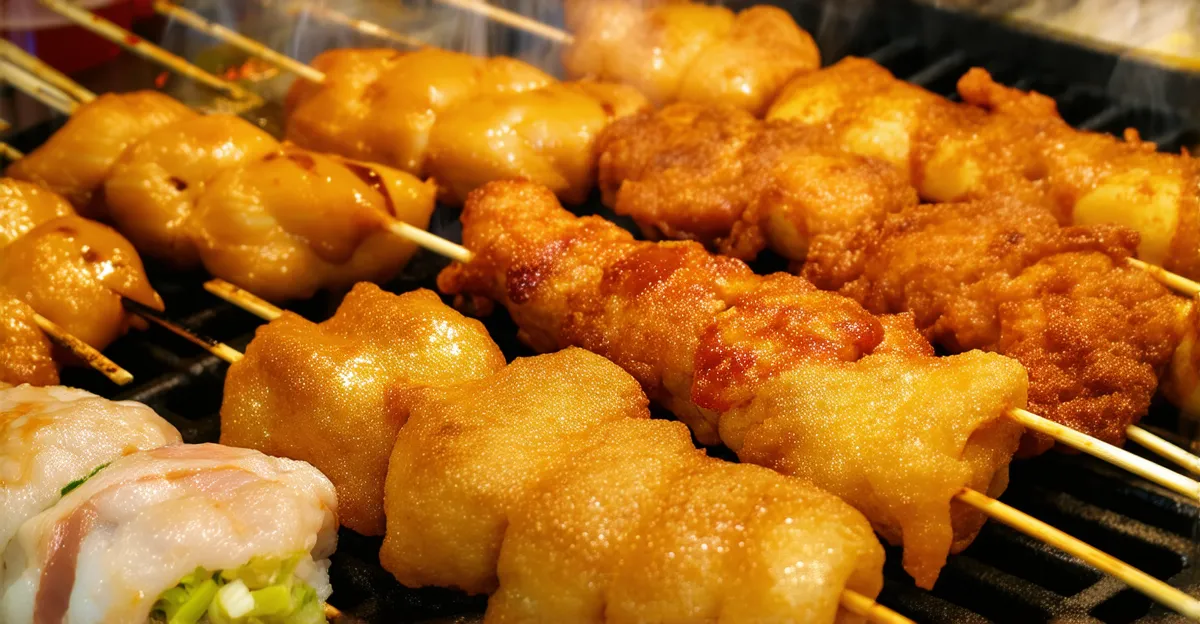
Korean Fried Chicken is another delicious addition to the Seoul street food scene that you can’t miss. Known for its crispy coating and flavorful marinades, this dish comes in various flavors, such as sweet and spicy or garlic soy. Vendors serve it fresh from the fryer, often paired with pickled radishes and a cold beer.
The double-frying method gives the chicken an extra crunch that is simply addictive. As you walk through busy streets, you’ll hear the enticing sizzle and see people munching away happily. Not only is it great as a snack, but it’s also a popular choice for late-night gatherings.
Did you know? Korean Fried Chicken is best enjoyed fresh and hot!
Where to eat: For top-notch fried chicken, stop by Kyochon Chicken or head to BHC Chicken for a variety of flavors and textures.
3. Hotteok: Sweet Korean Pancakes
💡 Pro Tip: Book your Seoul adventures in advance through Viator for the best deals!
Hotteok, a delicious type of sweet Korean pancake, is often enjoyed as a winter street food staple in Seoul. Filled with a mixture of brown sugar, cinnamon, and crushed nuts, hotteok is fried until perfectly crispy on the outside. Upon the first bite, the warm filling oozes out, providing a delightful flavor explosion.
This treat is not only comforting but also a favorite among locals and tourists alike. Moreover, you can find vendors selling different variations, some adding fruits or seeds to the filling. The fragrant, sweet aroma wafts through the market, making it hard to resist.
Pro Tip: Enjoy it while it’s hot to experience the filling’s gooey goodness!
Where to eat: Check out Bukhansan Hotteok for interesting flavors or visit Insadong Street for a classic experience of hotteok prepared right in front of you.
4. Gimbap: South Korea’s Popular Rice Rolls
Gimbap, often referred to as Korean sushi, is a beloved street food in Seoul that combines flavor and convenience. This dish consists of steamed rice, seasoned vegetables, and sometimes proteins, all wrapped in seaweed. Unlike sushi, gimbap is typically not made with raw fish, making it a versatile food for many tastes.
Traditionally, gimbap is filled with ingredients such as carrots, pickled radish, eggs, and spinach. Additionally, you can find variants that might include beef, tuna, or even crab meat. Truly, the combinations are endless, and this dish is perfect for a quick snack or a delightful picnic.
Did you know? Gimbap is often enjoyed during picnics in Korea, showcasing its role as a go-to meal!
Where to eat: For an authentic gimbap experience, visit Gimbap Cheonguk where you can get different varieties at affordable prices. Alternatively, Seongbuk Kimbap is a well-known spot where locals love to grab their gimbap on-the-go.
5. Sundae: traditional Blood Sausage and Its Variants
Sundae is a distinctive Korean street food that may intrigue adventurous eaters. It is a traditional blood sausage made with a mixture of pig’s blood, rice, and vegetables. Often served sliced, sundae can be found in various forms, each offering a unique taste experience.
This dish is frequently accompanied by spicy dipping sauces and served with side dishes such as kimchi. You can also find it served in soups or stir-fried with vegetables, enhancing its flavors.
For those who are unfamiliar, sundae might seem unusual, but many people are pleasantly surprised by its rich taste.
Pro Tip: Pair sundae with tteokbokki for a delightful combination of flavors that highlights Seoul street food culture.
Where to eat: Jongno Sundae is a local favorite for its diverse sundae options. Also, don’t miss Gwangjang Market, where many vendors pride themselves on making fresh and high-quality sundae.
6. Odeng: Savory Fish Cake Skewers
💡 Pro Tip: Book your Seoul adventures in advance through Viator for the best deals!
Odeng, or fish cake skewers, is a popular street food in Seoul, often served on a stick in a warm broth. This simple yet delicious snack features fish cakes that are made from real fish, kneaded and shaped into cake-like forms. The resulting texture is soft and slightly chewy, making it a satisfying snack option.
Typically, odeng comes with a side of sweet and spicy dipping sauce, enhancing its flavor. In winter, it’s particularly popular as it warms you up while you enjoy the streets of Seoul. Vendors selling odeng can be found in various areas, especially near bustling markets.
Fun Fact: Odeng is often served with a cup of the hot broth, making it a perfect comfort food during colder months.
Where to eat: Head to Gwangjang Market for an assortment of odeng options. You can also try Jongno Fish Cake, where locals line up for their tasty skewers fresh from the grill.
7. Kimbap vs. Gimbap: Understanding Korean Rice Rolls
Kimbap and gimbap, often used interchangeably, are essential parts of Seoul street food. Despite their similarities, subtle differences set them apart. Kimbap, also spelled gimbap, refers to rice rolled in seaweed and filled with various ingredients. Common fillings include vegetables, eggs, and protein sources like beef or tuna. The term “gimbap” literally translates to “seaweed rice,” highlighting its main component.
In contrast, while gimbap often uses more varied ingredients, it’s typically recognized as a street food source, known for its ease of consumption on the go. Both dishes appeal to locals and tourists alike, offering a delightful blend of textures and flavors. They are often enjoyed as quick snacks or substantial meals.
Tip: If you’re trying gimbap for the first time, look for a variety filled with pickled radish and carrots for a refreshing taste!
Where to eat: For freshly made gimbap, head to Gimbap Nara, where you can choose from a range of fillings. Alternatively, visit Yeouido Park, where street vendors often sell delicious gimbap.
8. Grilled Eel: A Street Side Specialty
Grilled eel, or jangeo gui, is a delightful treat you can find along the bustling streets of Seoul. This dish is known for its smoky flavor and tender texture, making it a favorite among locals. Eel is marinated in a sweet and savory sauce before being grilled to perfection, enhancing its natural flavors. It’s typically served on skewers, making it easy to enjoy while exploring the city.
This dish not only tastes great but is also considered nutritious, packed with proteins and omega-3 fatty acids. In addition, the grilling process gives it a unique char that adds depth to the dish.
Pro Tip: Pair your grilled eel with a side of rice and a refreshing drink for a satisfying meal!
Where to eat: For some of the best grilled eel, check out Hanam Pig Restaurant, known for its high-quality dishes. Another great spot is Gwangjang Market, where vendors serve fresh and flavorful eel skewers.
9. Korean Street Toast: A Breakfast Favorite
Korean street toast, or gilgeori toast, is a popular breakfast item in Seoul. This savory delight is made by frying slices of bread filled with a mixture of ingredients, usually eggs, vegetables, and sometimes ham. The unique combination creates a crispy, flavorful sandwich that is both hearty and satisfying.
The preparation is quick and straightforward, making it an ideal on-the-go meal for busy mornings. It’s often topped with a drizzle of sweet sauce, giving it a perfect balance of flavors. Moreover, Korean street toast stands are widely available, ensuring that you can grab one easily at any hour.
Did you know? Korean street toast is typically served with a side of pickled radish for an extra zing!
Where to eat: To experience authentic Korean street toast, visit Isaac Toast, a beloved chain known for its scrumptious breakfast sandwiches. You can also explore street vendors in Myeongdong for delicious homemade options.
10. Patbingsu: Shaved Ice Dessert to Cool You Down
When it comes to Seoul street food, you cannot overlook the delightful charm of Patbingsu. This traditional Korean dessert features finely shaved ice topped with a variety of sweet ingredients. From red bean paste to fresh fruits, each serving becomes a vibrant mix of color and flavor. The toppings often include sweetened condensed milk, rice cakes, and even ice cream, enhancing the overall experience.
During the hot summer months, Patbingsu serves as a refreshing treat. Surprisingly, this dish has evolved over the years. Today, you can find creative variations with ingredients like matcha, chocolate, and even exotic fruits. White, red, or green, each bowl is a unique and delicious representation of Korean creativity in the kitchen.
Pro Tip: Don’t be afraid to ask for extra toppings—many stalls offer customization to make your Patbingsu even more delightful!
Where to eat: Head to Homilbat in Insadong, known for its traditional style, or Sulbing, popular for its modern interpretations. If you’re in the neighborhood of Myeongdong, stop by Bingsu 55, which is famous for its unique flavors.
Seoul street food is a tantalizing exploration of flavors that is an essential part of the city’s identity. From savory to sweet, there’s something for everyone to enjoy on the bustling streets. Join the locals in savoring these delicious bites and make your culinary adventure in Seoul unforgettable. Don’t forget to share your favorite finds or plan your next food trip to experience all that Seoul has to offer!
Frequently Asked Questions
💡 Pro Tip: Book your Seoul adventures in advance through Viator for the best deals!
A: Seoul is famous for its spicy rice cakes (tteokbokki), fried chicken, and sweet pancakes (hotteok). Each dish offers a unique taste of local flavors.
A: Myeongdong Night Market, Gwangjang Market, and Dongdaemun Design Plaza are popular areas teeming with amazing street food vendors.
A: Yes, many street food vendors offer vegetarian options, including kimbap and various vegetable dishes.
A: Yes, street food is generally safe to eat, especially from popular vendors. Always choose stalls with a good amount of customers.
A: Prices typically range from 1,000 to 5,000 KRW for each dish, making it an affordable dining option.
A: Evenings and late nights are ideal for enjoying street food, as many vendors are busiest during these hours.