
Oslo Cuisine: Discover Local Flavors and Dining Gems
Oslo cuisine delights with fresh seafood, traditional dishes, and vibrant dining spots. Explore Norway’s culinary treasures in this delicious guide.
On this page
Oslo Cuisine: A Guide to the City’s Best Local Flavors
Oslo cuisine is a dazzling blend of coastal influences and rich culinary traditions that reflect Norway’s heritage. With access to the bounties of the sea and an abundance of local produce, the city offers a unique gastronomic experience for food enthusiasts. From freshly caught fish to hearty traditional dishes, Oslo’s local cuisine is a must-experience for anyone visiting the Norwegian capital. This guide explores the best local dishes and dining spots to help you indulge in the flavors of Oslo.
Key Takeaways
- Oslo cuisine offers an exciting variety of fresh seafood and traditional dishes.
- Signature dishes like fiskesuppe and kjøttkaker showcase local flavors.
- From Michelin-starred restaurants to casual cafés, Oslo accommodates every budget.
- Food markets and street food venues provide a vibrant dining experience.
1. Fresh seafood: A Staple of Oslo Cuisine
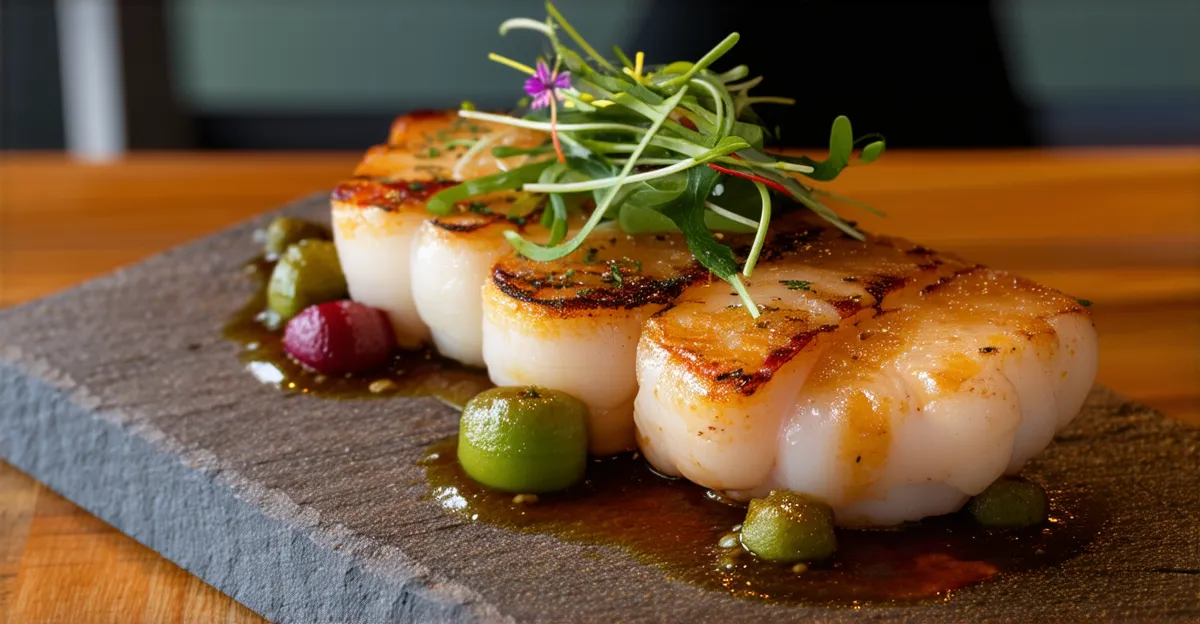
Oslo, the vibrant capital of Norway, is renowned for its fresh seafood, which plays a central role in Oslo cuisine. Located by the fjord, this city benefits from an abundant supply of high-quality fish and shellfish. The most celebrated among them are salmon, cod, and shrimp. These ingredients are not only foundational to traditional meals but are also served in modern culinary interpretations.
Visitors can find seafood at local markets, on menus in restaurants, and even in casual docksides eateries. For example, a typical dish features fresh grilled salmon served with a seasonal salad, which perfectly encapsulates the simplicity and freshness of Oslo cuisine. Furthermore, the bustling Oslo Fish Market showcases the wide variety of seafood available, inviting everyone to explore local delicacies.
Did you know? Eating seafood in Oslo is not just about flavor; it’s also a sustainable choice as Norwegian fisheries adhere to strict management practices.
Where to eat: For an excellent seafood experience, visit Fiskeriet, a popular seafood market and restaurant offering a delightful variety of dishes. Another local favorite is Rorbua, known for its traditional Norwegian fish dishes.
2. Smoked Salmon: A Heavenly Oslo Delight
One cannot discuss Oslo cuisine without mentioning smoked salmon. This delectable delicacy is a staple for breakfast, lunch, or even dinner. The cold-smoked version is particularly popular among locals, characterized by its rich flavor and silky texture. Typically, it is served on open-faced sandwiches, known as smørbrød, or paired with bagels and cream cheese.
Moreover, various local restaurants and cafes offer innovative versions of smoked salmon dishes. For instance, you can find it in salads, pasta, or even as a topping for gourmet pizzas. The versatility of smoked salmon makes it a beloved ingredient in Oslo’s culinary landscape.
Pro Tip: Pair your smoked salmon with a glass of local white wine for an uplifting dining experience.
Where to eat: Try the famous Fjord Seafood restaurant for some exquisite smoked salmon dishes. Don’t forget to stop at Mathallen Oslo, where you can enjoy many local foods, including freshly smoked salmon.
3. Traditional Norwegian Meatballs: Kjøttkaker
💡 Pro Tip: Book your Oslo adventures in advance through Viator for the best deals!
One of the heartwarming dishes of Oslo cuisine is kjøttkaker, or traditional Norwegian meatballs. These meatballs are typically made from a mix of minced beef and pork, seasoned with onion, and served with a creamy pepper sauce. They are often accompanied by boiled potatoes, lingonberry jam, and steamed vegetables, creating a satisfying meal that warms the soul.
What makes kjøttkaker special is not just its flavor, but also the way it represents Norwegian culinary traditions. They are often enjoyed during family gatherings and festive occasions. As a comforting dish, it truly captures the essence of Norway’s love for home-cooked meals.
Did you know? Kjøttkaker is deeply rooted in traditional Norwegian cuisine and showcases the simple, hearty flavors that the country is famous for.
Where to eat: For an authentic experience, visit Statholdergaarden, where you can savor their renowned kjøttkaker. Another great spot is Restaurant Eik Annen Etage, known for a modern twist on traditional Norwegian dishes.
4. Rømmegrøt: Creamy Norwegian Porridge
Rømmegrøt is a beloved traditional dish in Oslo cuisine, particularly enjoyed during festive occasions. This creamy porridge is made from sour cream, whole milk, flour, and a touch of salt. Its rich and velvety texture makes it a delightful comfort food. Generally served with a sprinkle of sugar and a generous dose of cinnamon, Rømmegrøt is often accompanied by crispy bacon or cured meats to provide a savory contrast.
Although Rømmegrøt has its origins in rural Norway, it has gained popularity in urban areas like Oslo. Families and restaurants alike cherish this dish as part of their holiday celebrations. If you’re lucky enough to visit Oslo during a festival, keep an eye out for this delectable dish!
Pro Tip: Rømmegrøt pairs excellently with a glass of cold milk, enhancing its creamy nature and helping to balance the seasoning.
Where to eat: To experience authentic Rømmegrøt, visit Storthaugen Restaurant or Fjord Restaurant, where traditional Norwegian meals are served with passion.
5. Lutefisk: A Unique Oslo Culinary Experience
💡 Pro Tip: Book your Oslo adventures in advance through Viator for the best deals!
Lutefisk is an iconic dish that showcases the adventurous side of Oslo cuisine. This traditional Norwegian dish is made from dried fish, typically cod, that has been soaked in a lye solution and then re-hydrated. Although it may sound unusual, Lutefisk has a unique flavor profile that many find intriguing. Often, it is baked and served with white sauce, peas, and boiled potatoes.
Traditionally, Lutefisk is consumed during the Christmas season but can be found in various eateries throughout Oslo year-round. The dish may earn mixed reviews, but for those willing to try it, Lutefisk offers a window into Norway’s culinary history.
Did you know? Lutefisk is primarily prepared during the holidays, making it a seasonal delicacy embraced by many families across the region.
Where to eat: For a great Lutefisk experience, visit Restaurant Eik or Aker Brygge, where you can taste authentic preparations of this unique dish.
6. The Art of Pickled Herring in Oslo Cuisine
Pickled herring is a staple of Oslo cuisine, with a deep-rooted history in Norwegian culinary traditions. This dish features herring cured in a tangy brine, often flavored with sugar, vinegar, and spices. The result is a delectable delicacy that pairs well with various side dishes. It’s typically enjoyed as part of a smorgasbord during festive occasions or family gatherings.
In Oslo, pickled herring is not just a side dish; it is a key component of traditional meals and can be served with boiled potatoes, flatbreads, or as part of open-faced sandwiches. The flavors of pickled herring can vary widely depending on the brine ingredients used, making each preparation unique.
Pro Tip: To fully appreciate pickled herring, try it with a cold glass of aquavit, a popular Nordic spirit that complements the dish’s briny taste.
Where to eat: Don’t miss Statholdergaarden or Mathallen Oslo, where you can experience exquisite pickled herring as part of their extensive menu offerings.
7. Brunost: Norway’s Sweet Brown Cheese
Brunost, often translated as “brown cheese,” is a beloved staple in Oslo cuisines. This unique cheese is made from whey, milk, and cream, which are cooked down until caramelized. The result is a sweet and slightly tangy flavor that is unlike any other cheese in the world. Locals often enjoy brunost on crispbread or sandwiches, paired with jam or fresh fruit.
One of the most famous brands of brunost is Gudbrandsdalsost, which has a rich history and is a common choice among Norwegians. It adds a delightful twist to breakfast and snacks alike. In addition, many believe that the best way to experience brunost is with a cup of strong Norwegian coffee.
Did you know? Brunost is often used in traditional Norwegian dishes, lending a unique sweetness to recipes.
Where to eat: To taste some of the best brunost in Oslo, visit Mathallen Oslo, where you can find artisanal cheeses or enjoy a classic Norwegian breakfast in one of the cozy cafés.
8. Fårikål: The National Dish of Norway
Fårikål, known as Norway’s national dish, is a comforting meal made from mutton and cabbage, traditionally enjoyed during the fall. This hearty stew is simple yet flavorful, as the mutton is simmered with cabbage and whole black peppercorns for several hours, allowing the flavors to meld beautifully. It is often served with boiled potatoes, making it a satisfying meal for both locals and visitors.
This dish reflects the spirit of Oslo cuisine—rustic, warming, and filled with the essence of Norwegian culture. Fårikål is not just food; it’s a tradition that families often gather around during the autumn months.
Pro Tip: The best time to try fårikål is in late September, when the annual Fårikål Feast is celebrated across Norway!
Where to eat: For an authentic fårikål experience, head to Frognerseteren Restaurant, located in the hills above Oslo, for a beautiful view along with your meal.
9. Lokal Beer: Craft Breweries in Oslo
💡 Pro Tip: Book your Oslo adventures in advance through Viator for the best deals!
Oslo has a vibrant craft beer scene that has gained popularity in recent years. The city is home to several excellent breweries that produce a range of innovative and high-quality beers. From traditional lagers to experimental IPAs, there’s something for every beer lover. Notably, Amundsen Brewery and Grünerløkka Brygghus are renowned for their craft beers that beautifully showcase Nordic ingredients.
In addition to its breweries, Oslo also hosts numerous bars and pubs where you can sample local brews. Many offer rotating taps featuring seasonal selections, allowing you to experience the freshest flavors of the season.
Tip: Pair your craft beer with traditional Norwegian dishes for a unique culinary experience!
Where to eat: Try Himkok for a fantastic range of craft beers paired with delicious Nordic-inspired small plates.
10. street food Scene: Oslo’s Food Markets
Oslo boasts a vibrant street food scene that reflects the city’s diverse culinary influences. Among the most popular spots is Mathallen Oslo, a bustling food hall featuring a range of local and international delicacies. Here, visitors can sample traditional Norwegian dishes alongside global flavors, creating a unique culinary experience. For an authentic taste of Oslo cuisines, try the fresh seafood from Fiskeriet, known for its delicious fish tacos and shrimp rolls.
Another notable location is Vigeland Park’s food market during summer, where local vendors sell everything from organic produce to gourmet burgers. The buzzing atmosphere is perfect for food lovers looking to explore new flavors. Additionally, don’t miss the chance to enjoy street food festivals that happen throughout the year. These events showcase local chefs and innovative dishes, further enriching Oslo’s food culture.
Tip: Arrive hungry! The variety at Oslo’s food markets can be overwhelming but in the best way.
Where to eat: Apart from Mathallen, consider visiting Street Food Oslo in Grünerløkka for a wide selection of food trucks and stalls offering diverse culinary insights.
11. Traditional Norwegian Pancakes: Pannekaker
No visit to Oslo is complete without trying pannekaker, traditional Norwegian pancakes. These thin, crepe-like pancakes are typically served with various toppings. While locals often enjoy them with sugar and a squeeze of lemon, popular fillings include fresh berries, whipped cream, or even savory options like ham and cheese.
In Oslo, both pannekaker and their toppings showcase local seasonal ingredients. Many cafés offer this beloved dish, making it an excellent choice for breakfast or a sweet treat throughout the day. Whether you prefer the classic version or something more adventurous, you’ll find a pancake that suits your taste.
Did you know? Pannekaker are often served during special family gatherings and celebrations in Norway!
Where to eat: For the best pannekaer in Oslo, head to Pannekakehuset in the Frogner area, where you can enjoy a cozy atmosphere and delicious options.
12. Open-Faced Sandwiches: Smørbrød in Oslo
💡 Pro Tip: Book your Oslo adventures in advance through Viator for the best deals!
Smørbrød, or open-faced sandwiches, are a classic element of Oslo’s culinary culture. These sandwiches are crafted on slices of dark or light bread and topped with various ingredients, ranging from cured meats and cheeses to seafood and salads. Each smørbrød showcases a delightful combination of flavors and textures, making it a favorite among locals.
What sets smørbrød apart is not only the quality of the toppings but also the presentation. Many cafés and restaurants take pride in their creative interpretations. It is common to find toppings like pickled herring, roasted beef, or shrimp salad. These sandwiches are perfect for lunch or a light dinner.
Pro Tip: Pair your smørbrød with a local beer for an authentic Oslo experience!
Where to eat: For a delicious smørbrød experience, try Café Sorgenfri, which has a wide selection of toppings or head to Fuglen for a stylish atmosphere and great selection.
13. Vegan Options: Oslo’s plant-based Cuisine
Oslo’s culinary scene is not just about traditional meat and fish dishes; it also embraces vegan options that are both delicious and innovative. The city is home to a variety of restaurants and cafes that prioritize plant-based menus, reflecting a growing trend toward sustainability and health-conscious eating. Whether you are a full-time vegan or simply looking to enjoy a lighter meal, Oslo’s vegan cuisine is sure to impress.
Many eateries focus on using fresh, locally sourced ingredients to create vibrant dishes. From hearty grain bowls to colorful salads, there are plenty of choices. Additionally, popular spots like Funky Fresh Foods offer raw food options that excite the palate. For a vegan twist on traditional Norwegian fare, Vigeland Restaurant serves a delightful plant-based Kjøttkaker.
Pro Tip: Don’t miss out on trying vegan versions of classic Scandinavian dishes; they often provide a fresh perspective and taste!
Where to eat: For a complete vegan experience, visit Herbert, known for its creative dishes, or Det Grønne Kjøkken for a cozy atmosphere. You can also grab quick bites at vegetarian-friendly fast-food places like Raw Tacos.
14. Dessert Bliss: Kvæfjordkake and Beyond
No culinary journey in Oslo is complete without indulging in some traditional Norwegian desserts. Among these, Kvæfjordkake holds a special place. Often referred to as the “world’s best cake,” this dessert is a heavenly combination of meringue, cream, and sponge cake. Its sweetness is perfectly balanced, making it a must-try for anyone visiting the city.
Besides Kvæfjordkake, Oslo offers a variety of other delightful treats. Skolebrød, a sweet bun filled with custard and topped with coconut, is another favorite among locals. Meanwhile, Multekrem, a cloudberry cream dessert, is a special seasonal delight worth seeking out.
Insider Tip: Pair these desserts with a strong cup of Norwegian coffee for the ultimate treat!
Where to eat: To savor Kvæfjordkake, head to Fristelsen, where they serve an authentic version. For a great selection of Norwegian desserts, try Pascal, a charming patisserie that always has fresh offerings.
15. Cozy Cafés: A Taste of Oslo’s Coffee Culture
Oslo has a thriving coffee culture that envelops visitors with its inviting atmosphere and delicious brews. The city is filled with cozy cafés where you can enjoy a cup of freshly roasted coffee while soaking in the local ambiance. Many cafés source their beans from sustainable farms, ensuring that each sip supports ethical practices.
One notable aspect of Oslo’s coffee scene is the emphasis on specialty coffee, which is prepared with great care. Baristas take pride in their craft, offering a range of brewing methods that enhance the flavors of the beans. Popular spots like Tim Wendelboe and Fuglen are renowned for their quality coffee and knowledgeable staff.
Don’t overlook the pastries! Pair your coffee with a traditional pastry for a true Oslo experience.
Where to eat: Visit Café Sorgenfri for its delightful coffee and pastries, or check out Stockfleths for a local favorite. For an aesthetic vibe, Åpent Bakeri is perfect for both coffee and freshly baked goods.
Oslo cuisine is a delightful journey through Norway’s rich culinary traditions and fresh flavors. Whether you are enjoying luxurious seafood or casual street food, the city’s vibrant food culture welcomes you to explore. Start planning your food adventure in Oslo and experience the unique flavors that make it a culinary destination!
Frequently Asked Questions
💡 Pro Tip: Book your Oslo adventures in advance through Viator for the best deals!
A: Oslo is renowned for its fresh seafood, traditional Norwegian dishes, and innovative culinary scene.
A: Fresh salmon, kjøttkaker, rømmegrøt, and lutefisk are must-try delicacies.
A: Yes, street food stalls and local markets offer budget-friendly eating options.
A: Join food tours, visit food markets, and explore local restaurants for an immersive experience.
A: Absolutely! Many restaurants in Oslo offer vegan and vegetarian menus.
A: Fiskeriet and Lofoten Fiskerestaurant are renowned for their fresh seafood.
A: Kvæfjordkake and traditional Norwegian pancakes are popular sweet treats.