
Addis Ababa Cuisines: A Flavorful Journey
Discover the vibrant and diverse Addis Ababa cuisines featuring local dishes, street food adventures, and dining hotspots for every food lover!
On this page
Addis Ababa Cuisines: An Exploration of Local Flavors
Addis Ababa cuisines reflect Ethiopia’s rich cultural heritage, showcasing an array of flavors and regional specialties that tantalize the taste buds. With its communal dining traditions and robust flavors, the city offers a unique culinary experience that is not to be missed. From the iconic injera to spicy stews and coffee ceremonies, Addis Ababa is a paradise for food enthusiasts seeking to explore authentic local dishes. This guide will take you through the must-try culinary delights and dining spots that make Addis Ababa a true gastronomic destination.
Key Takeaways
- Addis Ababa cuisines showcase a rich variety of authentic flavors and regional specialties.
- Signature dishes like injera, doro wat, and kitfo demonstrate the city’s unique food culture.
- street food and fine dining options cater to every budget and preference for food lovers.
- Experiencing traditional coffee ceremonies adds a cultural depth to the culinary exploration.
1. Injera: The Foundation of Addis Ababa Cuisines
Injera is the cornerstone of Addis Ababa cuisines, serving as both a dish and a utensil. This traditional Ethiopian flatbread is made from teff flour, which contributes to its slightly sour taste and spongy texture. Typically, injera is cooked on a large, round griddle, giving it a unique texture with bubbles that trap stews and sauces.
When dining in Addis Ababa, you will find injera accompanying a variety of dishes, enhancing the overall experience. It is commonly used to scoop up the tasty wats (stews) and vegetables. Moreover, injera is gluten-free, making it a suitable option for many diets.
Did you know? Injera is not only delicious but also packed with nutrients, such as protein and calcium, making it healthy too!
Where to eat: For the best injera, try Yod Abyssinia or Dabo’s Ethiopian Cuisine in Addis Ababa, where the bread is served fresh and warm.
2. Doro Wat: A Spicy Chicken Stew Delight
Doro Wat is one of the most beloved dishes in Addis Ababa cuisines. This spicy chicken stew is known for its rich flavor and complex spices, featuring a base of onions, garlic, and the essential spice blend called berbere. The chicken is slow-cooked until tender, often accompanied by hard-boiled eggs.
Doro Wat is typically enjoyed during special occasions and holidays. It is served on top of injera, allowing you to soak up all the tasty juices. The dish’s vibrant red Hue is inviting, while its spices warm your senses.
Pro Tip: Don’t forget to pair Doro Wat with a side of extra injera to enjoy the rich sauce!
Where to eat: Head to Kategna Restaurant or Meskel Square Restaurant in Addis Ababa to try authentic Doro Wat made with traditional recipes.
3. Kitfo: Raw Beef Dish with Ethiopian Twist
⭐ Recommendation: Don't miss out on amazing Addis Ababa tours - book now!
Kitfo is a unique dish that represents the bold flavors of Addis Ababa cuisines. It consists of raw minced beef that is seasoned with spices like mitmita (a spicy chili powder) and niter kibbeh (spiced clarified butter). While traditional kitfo is served raw, many enjoy it lightly cooked (called “kitfo leb leb”).
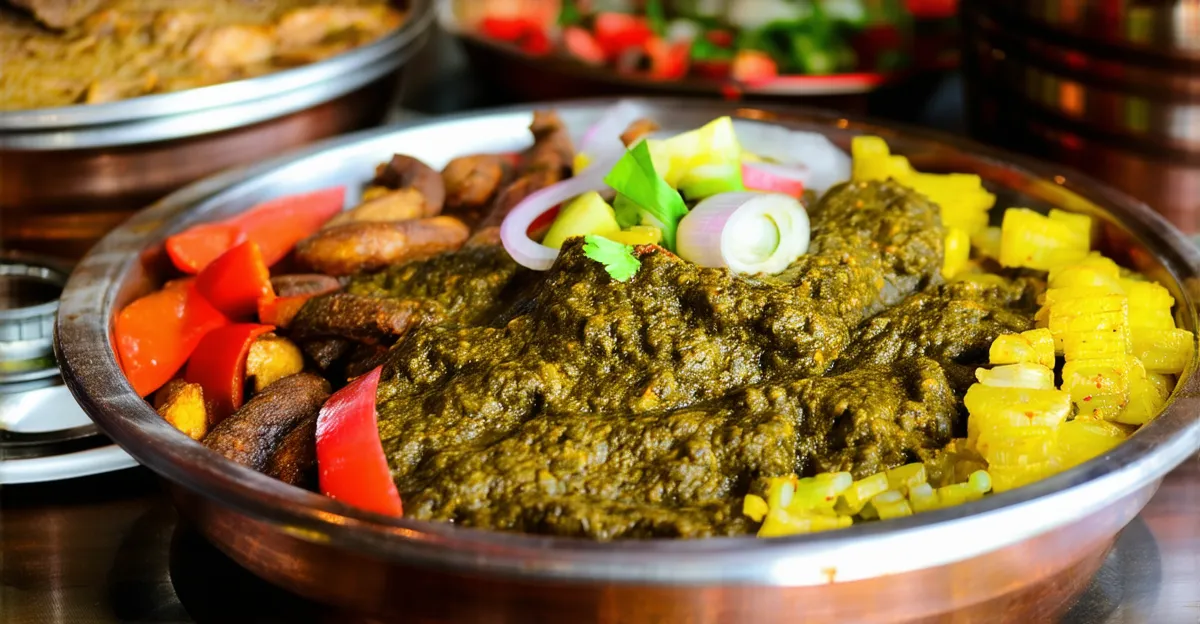
This dish usually comes with a side of gomen (cooked greens) and is often eaten by hand, scooping it up with injera. Its combination of spices and meat creates a delightful explosion of flavors that showcases Ethiopian culinary traditions.
Did you know? Kitfo is often served during special celebrations and gatherings, making it a cherished part of Ethiopian culture.
Where to eat: For the best kitfo, consider dining at Abysinnia Restaurant or Fasika Restaurant in Addis Ababa, known for their authentic preparations.
4. Shiro: A Flavorful Chickpea Stew
Shiro is a beloved dish that forms a prominent part of Addis Ababa cuisines. This scrumptious stew is primarily made from ground chickpeas, which are spiced with a blend of flavorful ingredients, providing a hearty and satisfying meal. Typically, the chickpeas are roasted and then finely ground into a flour, which is then cooked into a thick paste with water, onions, garlic, and spices.
This versatile dish can be enjoyed vegetarian or with the addition of meat, depending on personal preference. Often, it is served atop injera, the traditional flatbread, allowing diners to scoop the stew with their hands. Many locals consume shiro during fasting periods due to its wholesome nature.
Pro Tip: Enjoy shiro with a tangy side salad to balance the richness of this delightful stew.
Where to eat: For authentic shiro, visit Shiro Meda Restaurant or Gursha Ethiopian Restaurant, where the flavors will transport you straight to Addis Ababa.
5. Tibs: Sautéed Meat with Ethiopian Spices
Tibs is another highlight in the rich tapestry of Addis Ababa cuisines. This dish features sautéed meat—usually beef or lamb—cooked with onions, tomatoes, and a mix of spices, delivering a burst of flavor in each bite. Tibs can be prepared spicy or mild, catering to different palates.
Served hot and often accompanied by injera, tibs is a favorite among meat lovers and is perfect for sharing with friends and family. The preparation of tibs can vary; you might find it served sizzling right off the pan, which adds a theatrical touch to the dining experience.
Did you know? Tibs is often a centerpiece in Ethiopian celebrations, enhancing its importance in local culture.
Where to eat: Savor the best tibs at Yotam Restaurant or Habesha Restaurant, both known for their authentic takes on this classic dish.
6. Dulet: A Unique Offal Dish
Dulet introduces a different aspect of Addis Ababa cuisines, focusing on offal. This dish traditionally includes lamb tripe and liver, finely chopped and sautéed with spices, peppers, and onions. The result is a rich, flavorful dish that reflects the resourcefulness of Ethiopian cooking.
Dulet is often served as a hearty breakfast or lunch, accompanied by a side of injera to help balance its richness. While it may be an unusual choice for some, those willing to try it will discover a truly unique culinary experience that embodies the heart of Ethiopian culture.
Pro Tip: Be adventurous and pair dulet with a spicy dipping sauce for an extra flavor punch!
Where to eat: For an authentic taste of dulet, head to Abysinnia Restaurant or Four Sisters Restaurant, both helmed by chefs who honor traditional Ethiopian cooking.
7. Tej: Traditional Ethiopian Honey Wine
⭐ Recommendation: Don't miss out on amazing Addis Ababa tours - book now!
Tej is a beloved traditional Ethiopian honey wine, often enjoyed during celebrations and social gatherings. This amber-colored drink is made from fermented honey and water, infused with a unique herb called gesho leaves, which gives it a distinctive flavor. Generally, Tej has a sweet taste with a hint of bitterness, making it a refreshing addition to any meal.
In Ethiopia, it is customary to serve Tej in a specially shaped bottle called a berele, which enhances its aesthetic appeal. Additionally, this drink is often served with a small quantity of spicy snacks, creating a delightful pairing.
Tip: Enjoying Tej is not just about the drink; it’s a social affair, often shared among friends and family.
Where to drink: For an authentic experience, visit Abissinia Restaurant in Addis Ababa, where you can sip homemade Tej while enjoying traditional dishes and hospitality.
8. coffee Ceremony: A Cultural Experience
The coffee Ceremony is a central part of Ethiopian culture and an essential part of Addis Ababa cuisines. This traditional practice involves roasting green coffee beans to create a rich and aromatic brew. The ceremony usually begins with the roasting process, where beans are heated over an open flame until they release a delightful fragrance.
During the ceremony, the roasted beans are ground and brewed in a beautiful coffee pot called a jebena. The coffee is served in small cups, typically without sugar or milk, allowing the natural flavors to shine through. This experience takes time and is often accompanied by popcorn or other snacks.
Pro Tip: Participating in a coffee ceremony is a must when visiting Ethiopia; it offers a glimpse into local customs and a chance to bond with your hosts.
Where to experience: Check out Enat Tusker or Garden of Coffee for an authentic Ethiopian coffee ceremony that showcases this treasured tradition.
9. Firfir: A Tasty Recovery Breakfast
Firfir is a popular breakfast dish in Addis Ababa, often consumed in the mornings to provide a hearty start to the day. Made from thin, shredded pieces of injera, it is typically sautéed with spices, tomatoes, and sometimes bits of meat for added flavor. This dish is not only flavorful but also a great way to use leftover injera.
Firfir can be prepared in various ways, including vegetarian options and spicy versions for those who enjoy a kick. It is usually served with a side of fresh salad or yogurt, enhancing its taste.
Did you know? Firfir is often recommended as a recovery meal after a night out, helping to replenish energy levels.
Where to try: For a delicious Firfir, head to Sheger Restaurant or Yod Abyssinia, both of which serve excellent versions of this breakfast staple.
10. Addis Ababa street food: A Culinary Adventure
⭐ Recommendation: Don't miss out on amazing Addis Ababa tours - book now!
Exploring the Addis Ababa cuisines is not complete without delving into the vibrant world of street food. Street vendors throughout the city offer a delightful array of dishes that are both delicious and affordable. One popular choice is sambusa, a savory pastry filled with lentils or minced meat, often enjoyed with a spicy dipping sauce. Another favorite is the foul medames, which consists of fava beans cooked to perfection with a mix of spices, lemon, and a drizzle of olive oil.
Furthermore, you must try kolo, roasted barley seasoned with spices, making for an ideal snack while you wander. The appealing aroma of grilled meat from Tibs-stands fills the air, inviting you to relish this hearty dish.
Pro Tip: Eat where you see a queue; it’s a good sign of both flavors and freshness!
Where to eat: For a true street food experience, visit the bustling Merkato market, the largest open-air market in Africa, where you can sample a range of local street delicacies.
11. vegetarian and Vegan Dishes in Addis Ababa
Addis Ababa is a haven for vegetarians and vegans, reflecting the country’s agricultural wealth and cultural practices. The cornerstone of many Ethiopian vegetarian meals is injera, a sourdough flatbread made from teff, often served with an assortment of toppings. Popular vegan dishes include shiro, a flavorful chickpea stew, and misir wat, a spicy lentil stew that packs a lot of flavor.
Also noteworthy is gomen, a dish made with collard greens sautéed in spices, offering a healthy and delicious option. These dishes are not only nutritious but are often enjoyed during fasting periods, making them widely available at local eateries.
Did you know? Many restaurants in Addis Ababa offer a vegetarian platter, allowing you to sample various dishes at once!
Where to eat: For the best vegetarian options, check out Dashen Restaurant and Meet & Eat, both known for their authentic and satisfying vegetarian and vegan selections.
12. Best Restaurants for Authentic Addis Ababa Cuisines
If you’re seeking the best places to experience authentic Addis Ababa cuisines, you’ve come to the right place. Start your culinary journey at Kategna Restaurant, which is well-known for its homemade dishes and friendly atmosphere. Here you can enjoy traditional meals served on communal platters, a staple of Ethiopian dining.
Another must-visit is Yod Abyssinia, which not only offers delicious food but also showcases live cultural performances, enhancing your dining experience. For a more modern twist on Ethiopian cuisine, consider dining at Aladdin Restaurant, where traditional flavors meet contemporary presentations.
Pro Tip: To dive deeper into the local food culture, ask for a mix platter so you can try various dishes!
Where to eat: Habesha Restaurant is another top pick, famous for its cozy environment and diverse menu, making it an ideal spot for your Addis Ababa culinary adventure.
13. Food Festivals Celebrating Addis Ababa Cuisines
Addis Ababa is not just a hub for diverse Addis Ababa cuisines; it is also home to vibrant food festivals that celebrate the rich culinary heritage of Ethiopia. These festivals showcase traditional dishes, street food, and innovative culinary creations, attracting both locals and tourists alike.
One of the most famous events is the Ethiopian Food Festival, typically held each year in the heart of Addis Ababa. Here, visitors can indulge in various dishes, including the iconic injera and doro wat, while enjoying live music and cultural performances. This makes for a festive atmosphere where the essence of Ethiopian hospitality is felt.
In addition, the Meskel Festival also features an array of food stalls where traditional delicacies are served. The festival celebrates the finding of the True Cross, and during this occasion, families come together to enjoy a hearty feast.
Pro Tip: Attending a food festival not only allows you to taste the best of Addis Ababa cuisines, but it’s also a perfect opportunity to meet local chefs and learn about their culinary secrets.
Whether you’re a food enthusiast or a curious traveler, these festivals provide an excellent platform to explore and appreciate the culinary diversity that Addis Ababa offers.
Addis Ababa cuisines offer a vibrant insight into Ethiopia’s rich culinary landscape. With a blend of flavors, communal dining, and cultural experiences, there’s plenty to explore for every food lover. Don’t miss the chance to taste the unique dishes of Addis Ababa on your next adventure, and share your culinary experiences with others to inspire their journey!
Frequently Asked Questions
⭐ Recommendation: Don't miss out on amazing Addis Ababa tours - book now!
A: Addis Ababa is known for its flavorful dishes such as injera, doro wat, and unique traditional coffee ceremonies.
A: Must-try dishes include injera, doro wat, kitfo, and shiro that reflect the unique Ethiopian flavors.
A: Yes, street food stalls and local restaurants provide budget-friendly options to enjoy authentic Ethiopian cuisine.
A: Visiting local markets, trying traditional coffee ceremonies, and joining food tours are excellent ways to immerse in the culture.
A: Yes, many Ethiopian dishes, like shiro and various vegetable stews, are vegetarian and vegan-friendly.
A: The best injera can be found at local eateries and restaurants such as [insert popular injera spot].