
Bayamo Cuisines: Discover Local Dishes and Flavors
Dive into Bayamo cuisines! Explore the must-try local dishes, delicious experiences, and hidden dining spots in this charming Cuban city.
On this page
Bayamo, a jewel in Cuba’s eastern region, is celebrated for its rich culinary heritage and vibrant flavors. Known as the birthplace of Cuban nationalism, Bayamo reflects its culture not only through its history but also its mouthwatering dishes. From hearty stews to tropical fruits, the local cuisine offers a tantalizing journey for food lovers. This guide highlights signature dishes and dining experiences in Bayamo, making it a must-visit destination for culinary enthusiasts.
Key Takeaways
- Bayamo cuisines showcase a rich tapestry of authentic Cuban flavors.
- Signature dishes like ajiaco and lechon asado define the city’s culinary culture.
- From street food to family-run eateries, Bayamo caters to every foodie.
- Making connections with local cooks offers a deeper understanding of Bayamo’s craft.
1. Ajiaco: The Soul of Bayamo Cuisine
Ajiaco is often referred to as the soul of Bayamo cuisine, encapsulating the rich flavors and cultural heritage of the region. This hearty stew is made with a medley of ingredients such as chicken, various root vegetables, and spices. Yuca, malanga, and potatoes are typically included, contributing to a thick and satisfying broth. The unique blend of flavors captures the essence of traditional Cuban cooking.
Moreover, what makes Ajiaco truly special is its versatility. Each family has its own variation, often adding local herbs for a personalized touch. This dish is usually enjoyed during family gatherings and celebrations, making it a comfort food that evokes nostalgia.
Pro Tip: Don’t forget to garnish Ajiaco with a squeeze of lime for an added zing!
Where to eat: For an authentic experience, Restaurant El Café de Bayamo offers a well-reviewed version of Ajiaco that locals swear by. Additionally, La Casa de Ajiaco provides a cozy environment to savor this traditional dish.
2. Lechon Asado: Savory Roasted Pork Delicacy
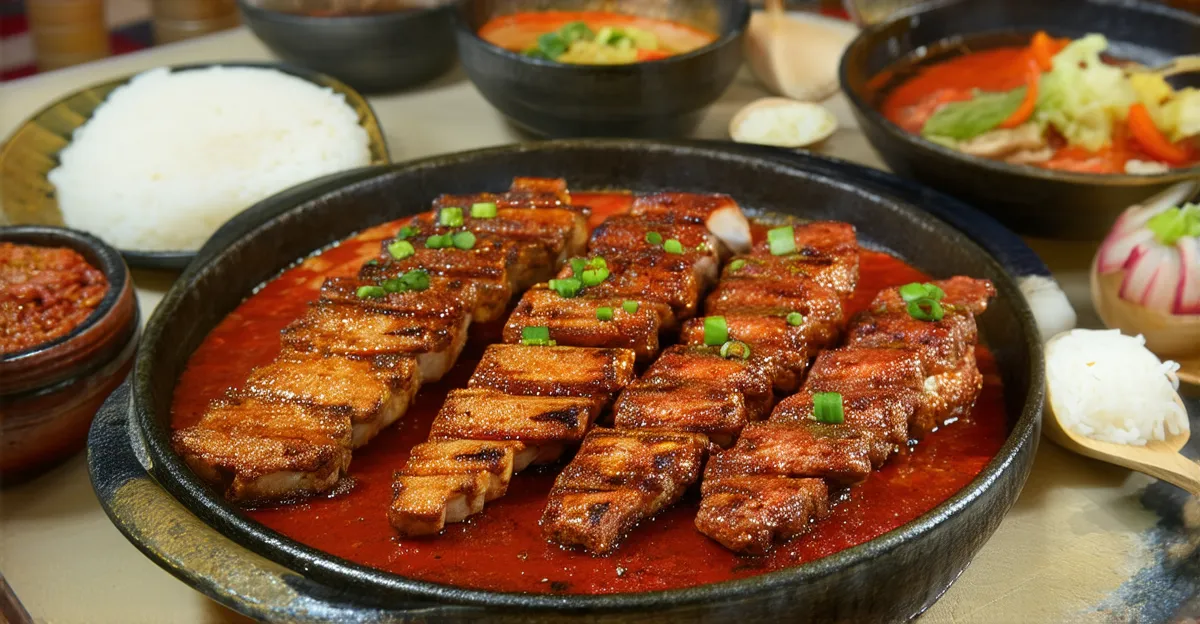
Lechon Asado is a celebrated dish in Bayamo cuisine, famous for its incredibly tender and flavorful roasted pork. The pork is typically marinated in a mixture of citrus juices, garlic, and spices. It is cooked slowly on a spit or in an oven, allowing the skin to become perfectly crispy. This process results in a dish that is not only succulent but also bursting with flavor.
Traditionally, Lechon Asado is the centerpiece of many Cuban celebrations and festive occasions. Families often come together to enjoy this dish, making it more than just food; it represents unity and celebration.
Pro Tip: Pair your Lechon Asado with some tangy barbecue sauce and a side of rice for an unforgettable meal!
Where to eat: Check out Restaurante El Farón for an excellent Lechon Asado, or visit La Iglesia de San Juan for a street vendor’s take on this delicious delicacy.
3. Moros y Cristianos: A Rice and Bean Peasant Dish
🌟 Local Expert Tip: Get the most out of your Trinidad visit with guided tours!
Moros y Cristianos is a classic Cuban dish that combines black beans and white rice, symbolizing the cultural coexistence of two worlds. The dish is typically seasoned with garlic, bay leaves, and various spices, enhancing the flavors of both rice and beans. This combination not only provides a nutritious meal but also a satisfying one, making it a staple in Bayamo cuisine.
The preparation of Moros y Cristianos is simple yet requires careful attention to ensure that both the rice and the beans are cooked to perfection. Many families prepare this dish several times a week, as it is both hearty and economical.
Did you know? Moros y Cristianos is often served as an accompaniment to roasted meats, giving the meal an extra dimension!
Where to eat: For a delicious serving of Moros y Cristianos, head to El Rincón de la Abuela, known for its authentic Cuban fare. Another great option is Restaurante El Paraiso, where you can enjoy this dish with various meat options.
4. Tostones: Bayamo’s Crispy Plantain Treat
Tostones, often regarded as a beloved snack in Bayamo cuisine, are twice-fried green plantains that yield a satisfying crunch. This popular dish is a versatile accompaniment, serving as a side to many meals or as a standalone snack. The preparation process starts with slicing unripe plantains into thick pieces, followed by frying them until golden. Once cooled, they’re smashed and fried again until crispy, enhancing their texture and flavor.
Moreover, tostones are usually seasoned with salt and served with a variety of dips, such as garlic sauce or a zesty lime dip. They deliver a burst of flavor that pairs wonderfully with traditional Cuban dishes. Enjoying a serving offers an authentic taste of Bayamo’s culinary culture.
Tip: For a unique twist, try adding a sprinkle of cheese on top of your tostones for an extra layer of flavor!
Where to eat: For the best tostones in Bayamo, head to Restaurante El Reloj or Casa de la Música. Both spots capture the essence of local flavors, providing a delightful ambiance alongside your crispy treat.
5. Arroz con Pollo: A Cuban Family Favorite
🌟 Local Expert Tip: Get the most out of your Trinidad visit with guided tours!
Arroz con Pollo is a classic dish that embodies the heart of Cuban family dinners, particularly in Bayamo. This one-pot wonder combines flavorful rice with tender chicken, infused with a mix of spices and vegetables. The vibrant yellow hue of the rice comes from saffron or turmeric, making it as visually appealing as it is delicious.
Traditionally, this dish includes ingredients such as bell peppers, onions, and peas, which add texture and flavor profiles to the meal. What’s more, families often personalize the recipe to reflect their culinary heritage, with each cook adding their special touch. It’s not just a meal; it’s a tradition passed through generations.
Remember: Always let the rice steam after cooking for a few minutes to ensure perfect fluffiness!
Where to enjoy it: For a hearty serving of Arroz con Pollo, visit La Casa de Arroz or El Fogón de Bayamo, both renowned for their flavorful interpretations of this Cuban favorite.
6. Bienmesabe: A Sweet Coconut Dessert
Bienmesabe, meaning “tastes good to me” in Spanish, is a delightful dessert that captures the essence of Bayamo’s sweet offerings. This coconut-based dish combines a rich blend of coconut, sugar, eggs, and often a hint of lemon zest, resulting in a creamy and flavorful treat. Its texture is often described as luscious and smooth, making it a favorite among locals and visitors alike.
This dessert is typically served chilled, allowing the flavors to meld beautifully. Bienmesabe can also be garnished with cinnamon or additional shaved coconut for an extra aromatic touch. It’s perfect for satisfying your sweet tooth after a hearty meal.
Pro Tip: Pair your Bienmesabe with a strong Cuban coffee for a delightful finale to your dining experience!
Where to find it: To savor a delicious Bienmesabe, stop by Paladar La Cascada or Cafetería Los Deliciosos, both well-known for their authentic Cuban desserts.
7. Ropa Vieja: Shredded Beef Stew from Bayamo
Ropa Vieja, translating to “old clothes,” is a traditional Cuban dish that embodies the essence of Bayamo cuisines. Made from shredded beef, this hearty stew is simmered with tomatoes, onions, bell peppers, and a blend of spices that create a rich, comforting flavor. The story of Ropa Vieja is tied to its origins, as it is said to have been inspired by Spanish settlers in the Caribbean.
This dish is often served with rice or yuca, making it a filling meal for families. The tender beef absorbs all the flavors from the sauce, creating a delightful blend of savory and slightly sweet undertones. To enhance the experience, it is common to accompany Ropa Vieja with black beans and fried plantains.
Did you know? Ropa Vieja is so popular in Cuba that it’s often considered a national dish, celebrated for its heartiness and flavor.
Where to eat: For an authentic taste of Ropa Vieja in Bayamo, visit Restaurante El Encuentro, known for their exceptional Cuban dishes, or La Casa de la Cultura where local flavors come alive.
8. Bacalao: Salted Cod Fish Specialties
Bacalao, or salted cod, is a beloved ingredient in Bayamo cuisines, reflecting the island’s coastal heritage. This dish is typically prepared by soaking the salted cod to soften it before cooking with a variety of ingredients, such as tomatoes, bell peppers, and olives. The result is a deliciously flavorful dish, often stewed with spices that bring the flavors of the sea to your plate.
Bacalao is versatile; it can be served with rice, boiled potatoes, or in the form of croquettes. Each bite hints at the traditional fishing culture of the region. Families often make this dish during festive occasions, showcasing its importance in Cuban culinary traditions.
Pro Tip: Make sure to soak the cod adequately to lessen the saltiness, allowing the fish’s natural flavor to shine.
Where to eat: Try Bacalao at Restaurante Granma, famous for its seafood dishes or Aqua Restaurant, known for its unique twists on traditional recipes.
9. Flan: Cuban Caramel Custard Delight
🌟 Local Expert Tip: Get the most out of your Trinidad visit with guided tours!
No conversation about Bayamo cuisines would be complete without mentioning flan, a classic Cuban dessert that has captured hearts around the world. This creamy caramel custard is made from eggs, sugar, milk, and vanilla, creating a rich and velvety texture. The dessert is baked with a layer of caramelized sugar that provides a delightful contrast to the smooth custard.
Flan is not only a popular treat in Bayamo but also in many Latin American countries. It is often served chilled, making it a perfect refreshing end to a hearty Cuban meal. The sweetness of the caramel paired with the airy custard offers a delightful balance of flavors that leave diners wanting more.
Did you know? Flan is often made during special celebrations and gatherings in Cuba, making it more than just dessert—it’s a symbol of joy.
Where to eat: For an unforgettable Flan experience, visit Churros & Flan for their homemade variations or La Taberna de Pancho, where you can enjoy traditional Cuban desserts in a vibrant setting.
10. Local Drinks: Guarapo and Mojito Experiences
When exploring Bayamo cuisines, drinks play a vital role in enhancing the culinary experience. Two local favorites are guarapo and the classic mojito. Guarapo, a refreshing drink made from freshly pressed sugarcane juice, is a must-try for visitors. Not only is it sweet and invigorating, but it also embodies the essence of Bayamo’s agricultural traditions.
On the other hand, the mojito remains an iconic Cuban cocktail. Made with fresh mint, lime, sugar, rum, and soda water, it’s both tangy and refreshing. This cocktail has a rich history and adds a vibrant flair to meals shared with friends and family.
Pro Tip: Sipping on a mojito while enjoying a delicious meal can enhance the flavors and offer a true taste of Bayamo.
Where to enjoy these drinks: Stop by Bar La Libertad for their famous mojitos or head to Casa de la Cultura, where you can taste authentic guarapo made right in front of you. Both spots provide an excellent atmosphere to unwind and soak in Bayamo’s local culture.
Bayamo cuisines offer a delightful path into the heart of Cuban culinary traditions. Each dish carries a story and reflects the rich culture of the region. Whether you are enjoying a savory plate of ajiaco or indulging in a refreshing mojito, Bayamo’s flavors will leave a lasting impression. Don’t miss out on the chance to dive into this unique culinary experience—share your favorite Bayamo dish or plan your food journey today!
Frequently Asked Questions
A: Bayamo is known for its hearty stews, grilled meats, and traditional Cuban dishes.
A: Ajiaco, lechon asado, moros y cristianos, and bienmesabe are must-try delicacies.
A: Yes, local cafes, street vendors, and family restaurants offer delicious, budget-friendly meals.
A: Explore local markets, participate in cooking classes, or join food tours to experience the cuisine best.
A: Yes, many restaurants offer plant-based dishes, particularly with beans and rice.
A: The best lechon asado can be found at local food stalls and family-run restaurants throughout the city.