
Baguio Cuisines: Discover Local Flavors and Dishes
Baguio cuisines highlight unique local flavors! Explore must-try dishes, dining spots, and food experiences in the summer capital of the Philippines.
On this page
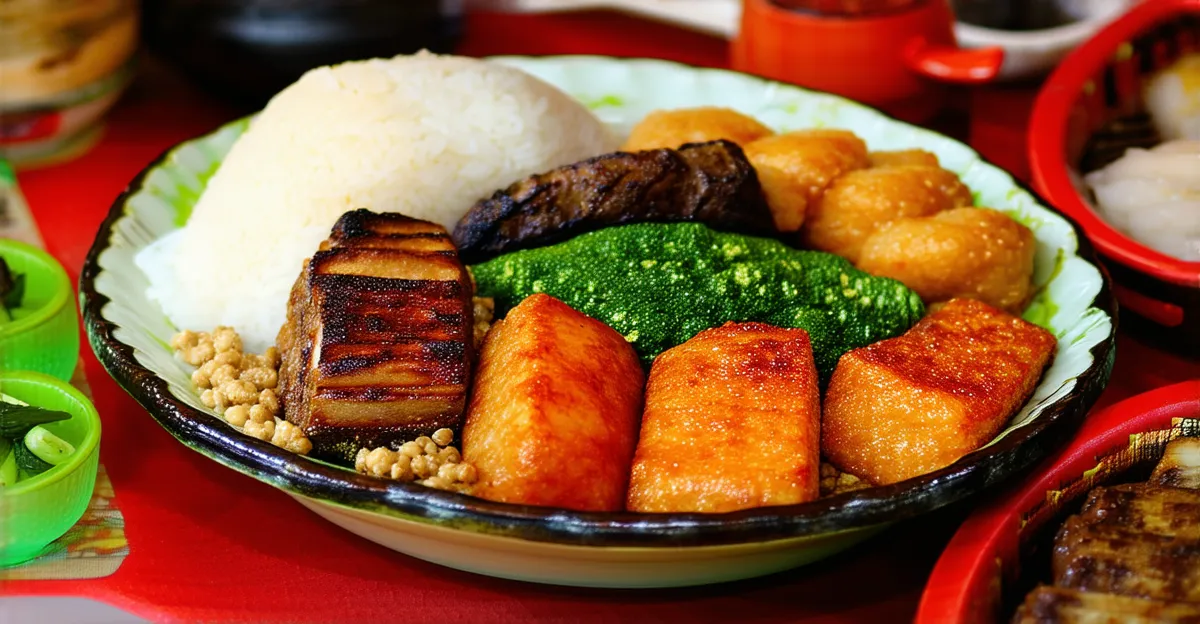
Baguio cuisines offer a vibrant mix of flavors that reflect the rich culture of the Cordillera region in the Philippines. Known as the summer capital of the country, Baguio boasts a unique food scene characterized by the use of fresh produce from its cool climate. local dishes like Pinikpikan, strawberry-based treats, and the famous ube jam make this city a must-visit for food lovers. This guide delves into the culinary delights of Baguio, showcasing both traditional specialties and contemporary dining experiences that you can’t afford to miss.
Key Takeaways
- Baguio cuisines offer a delightful array of flavors that showcase local ingredients.
- Signature dishes like Pinikpikan and Ube Jam are staples of the region’s culinary culture.
- The city is known for its fresh produce, offering exceptional farm-to-table dining experiences.
- Baguio’s lively markets are perfect for discovering unique local delicacies and traditional snacks.
1. Pinikpikan: The Unique Cordillera Dish
Pinikpikan is a traditional dish originating from the Cordillera region, and it’s a unique aspect of Baguio cuisines. This dish is made by gently beating a live chicken before cooking it, a practice rooted in age-old rituals of the indigenous people. The preparation method enhances the flavor and produces a tender meat that is often enjoyed during special occasions.
This dish is typically served with escalivada (grilled vegetables) and a side of dipping sauces, making it a fulfilling meal. Although the preparation of Pinikpikan might seem unconventional to some, it reflects the deep cultural heritage and traditions of the indigenous communities.
Did you know? Pinikpikan is sometimes served during festivals, showcasing the community’s rich cultural heritage!
If you’re eager to try this local specialty, several restaurants in Baguio offer authentic Pinikpikan, prepared with respect for tradition. This dish truly offers a taste of the heart and soul of Baguio’s culinary landscape.
2. Ube Jam: A Sweet Baguio Delight
One cannot explore Baguio cuisines without mentioning ube jam. This vibrant purple spread is made from the beloved purple yam, or ube, which thrives in the cool climate of Baguio. The jam is rich in flavor and color, making it a popular choice for both locals and visitors alike.
Ube jam is incredibly versatile; it can be enjoyed on toast, used as a filling in pastries, or even served as a sweet topping for desserts. Its creamy texture and naturally sweet flavor make it a delightful addition to any meal.
Pro Tip: Don’t forget to buy a jar of ube jam when visiting Baguio; it’s the perfect souvenir!
Many local markets and stores sell freshly made ube jam, which often guarantees the best quality. So, treat yourself to this sweet gem and savor the unique taste of Baguio!
3. Strawberry Shortcake: A Baguio Classic
🎯 Insider Tip: Discover the best Manila experiences with Viator Tours!
Strawberry shortcake is a beloved dessert that embodies the essence of Baguio cuisines. Baguio is renowned for its juicy and sweet strawberries, making it a natural choice for this delightful treat. The dessert features layers of light sponge cake, fresh strawberries, and whipped cream, creating a harmonious balance of flavors.
This classic dessert is not just a feast for the taste buds, but also visually appealing with its vibrant red strawberries and fluffy cream. Strawberry shortcake is often enjoyed during warm afternoons or as a special dessert after meal.
Did you know? The Strawberry Festival held in Baguio City showcases local strawberry production and is an excellent time to try this delicious dessert!
For the best strawberry shortcake, visit cafes and bakeries around Baguio, where you can indulge in this iconic dessert, especially during the strawberry season. It’s a must-try for anyone visiting the city!
4. Baguio Longganisa: The Local Sausage
Baguio Longganisa is a must-try for anyone seeking to explore Baguio cuisines. This local sausage features a delightful mix of ground pork seasoned with garlic, vinegar, and a touch of sugar, giving it a unique flavor profile. It is prepared fresh and is often served during breakfast, typically accompanied by fried rice and eggs.
Many locals swear by the savory taste and juicy texture of Baguio Longganisa. Notably, it has a slightly sweet and garlicky taste, making it a favorite among both residents and visitors. Whether grilled or pan-fried, it’s a comforting dish that embodies the essence of the region’s culinary traditions.
Pro Tip: Pair Baguio Longganisa with a side of fresh, local tomatoes for an extra burst of flavor.
Where to eat: For some of the best Baguio Longganisa, head over to Good Taste or Wright Park Horse Riding Area, where you can enjoy this dish in its authentic form.
5. Fresh Vegetable Salads: Farm-to-Table Goodness
Fresh vegetable salads in Baguio represent the region’s commitment to farm-to-table dining, showcasing the crisp, fresh produce grown in the surrounding hills. The cooler climate and rich soil make Baguio the perfect place for growing a variety of vegetables. Salads here typically feature ingredients like lettuce, tomatoes, radishes, and a range of herbs.
Enjoying these salads gives you a taste of the local earth and a glimpse into the agricultural bounty of the Cordillera region. Many restaurants prepare their salads with a simple vinaigrette, allowing the natural flavors of the vegetables to shine through.
Did you know? Baguio is often referred to as the “Vegetable Capital of the Philippines”!
Where to eat: For a refreshing salad, visit The Forest House or The Hill Station, both of which focus on using high-quality, locally sourced ingredients.
6. Baguio’s Famous Ukoy: Shrimp Fritters
Ukoy, or shrimp fritters, is another delightful dish that showcases the beauty of Baguio cuisines. These crispy fritters are made with tiny shrimp mixed into a batter of flour and spices, then fried until golden brown. They are often served as a snack or appetizer and are beloved by both locals and tourists alike.
The secret to great Ukoy lies in the freshness of the shrimp used, along with a perfect blend of seasoning. Some variations may include vegetables, such as sweet potato or carrots, adding a delightful crunch to every bite. Served with a spicy vinegar dipping sauce, they offer a thrilling explosion of flavors.
Pro Tip: Try pairing Ukoy with a cold drink, like calamansi juice, for a refreshing treat.
Where to eat: Don’t miss trying Ukoy at Ragu or in the food markets around Burnham Park, where street vendors often serve this popular dish.
7. Kakanin: Philippine Rice Cakes in Baguio
🎯 Insider Tip: Discover the best Manila experiences with Viator Tours!
Kakanin, or traditional Philippine rice cakes, is a staple in Baguio cuisine, reflecting the local culture and culinary traditions. These sweet treats are often made using glutinous rice, and they come in various forms, textures, and flavors. Popular Kakanin include puto (steamed rice cakes), biko (sticky rice with coconut milk), and kutsinta (brown rice cake). Not only are they delicious, but they also showcase the art of Filipino cooking.
Visiting Baguio, tasting Kakanin is essential for a complete gastronomic experience. You’ll find them in local markets and eateries, often accompanied by a cup of salabat (ginger tea) or a serving of latik (coconut curds). Additionally, many locals enjoy these rice cakes during festive occasions, making them a symbol of celebration and community.
Pro Tip: Don’t miss trying puto bumbong, especially during the holiday season. It’s best enjoyed warm, fresh off the steamer!
Where to eat: For the best Kakanin, visit Good Taste or head to Burnham Park’s weekend market where various vendors sell freshly made rice cakes.
8. Vigan Longganisa: A Taste of Baguio’s Influence
Vigan longganisa, a type of Filipino sausage, has also made its way into Baguio cuisine and is a must-try for visitors. This sausage is usually made from minced pork, flavored with garlic, vinegar, and spices, giving it a unique savory-sweet taste. In Baguio, you will often find this dish served during breakfast, typically paired with egg and a side of garlic rice.
The influence of Vigan longganisa showcases the interconnectedness of Filipino regions. As you enjoy this dish, you’ll appreciate how local culinary traditions affect the overall flavor profiles enjoyed in Baguio. Eating Vigan longganisa is not merely a meal; it’s a tasting journey through the region’s rich history and culture.
Did you know? Vigan longganisa is often regarded as an essential breakfast item for its flavor and heartiness!
Where to eat: For authentic Vigan longganisa, head to Carwan Cafe or Countryside Restaurant, known for their traditional Baguio dishes.
9. Baguio’s Markets: A Food Lover’s Wonderland
Baguio’s vibrant markets are a haven for food lovers. The most famous is the Night Market along Harrison Road, where vendors sell diverse street food, including skewers, pancakes, and local delicacies. Such a feast for the senses offers not just delicious food but also lively interactions with the locals.
Another must-visit is the Baguio Public Market, where fresh produce, local handicrafts, and various sweets are available. Here, you can find seasonal fruits such as strawberries and vegetables, all sourced from nearby farms, showcasing the farm-to-table concept. The market also sells beautiful Kakanin and other local treats.
Pro Tip: Visit early in the morning for the freshest produce and to enjoy a less crowded experience.
Where to eat: For an authentic market experience, grab a snack from any vendor at the Public Market, and enjoy your meal at one of the nearby parks.
10. Dining with a View: The Best Restaurants in Baguio
🎯 Insider Tip: Discover the best Manila experiences with Viator Tours!
Baguio, known as the Summer Capital of the Philippines, not only offers cool weather but also a delightful culinary scene paired with stunning vistas. Many restaurants provide breathtaking views of the mountains and pine trees that Baguio is famous for, making dining here a memorable experience. One of the top spots is The Manor at Camp John Hay, where guests can savor local dishes while overlooking the scenic landscapes.
Another great option is Altitude, which offers an incredible view of the city while you enjoy their sumptuous offerings, including traditional Baguio cuisines. Ketchup Food Community is also worth a visit, featuring a variety of local delicacies in a casual setting surrounded by beautiful greenery.
Did you know? Dining during sunset at these restaurants not only provides stunning views but also enhances your culinary experience in Baguio.
For a true taste of Baguio’s vibrant food scene, don’t miss visiting Hill Station, especially for its varied menu that reflects local cultures and ingredients. Wherever you choose to dine, you’ll find that each restaurant offers a unique atmosphere that complements the delicious Baguio cuisines.
Baguio cuisines embody the essence of the Cordillera region’s rich heritage and gastronomic artistry. From unique local dishes to fresh produce that’s bursting with flavor, the culinary scene in Baguio is a feast that every food lover should experience. So why not plan your food adventure today and share your favorite Baguio dishes with others?
Frequently Asked Questions
A: Baguio is known for its fresh produce, unique dishes like Pinikpikan, and delicious strawberry-based desserts.
A: Pinikpikan, Ube Jam, and Strawberry Shortcake are must-try delicacies for anyone visiting.
A: Yes, local eateries and market stalls provide budget-friendly options to enjoy Baguio cuisines.
A: Visit local markets, explore street food stalls, and dine at restaurants with local specialties.
A: Yes, many restaurants feature vegetarian options, and fresh local vegetables are plentiful.
A: You can find delicious strawberry shortcake at several bakeries around the city, especially at the Strawberry Farm.