
Aqaba Traditional Dishes: A Culinary Journey
Explore Aqaba traditional dishes! Discover flavors, food experiences, and local dining spots that define this coastal city’s rich cuisine.
On this page
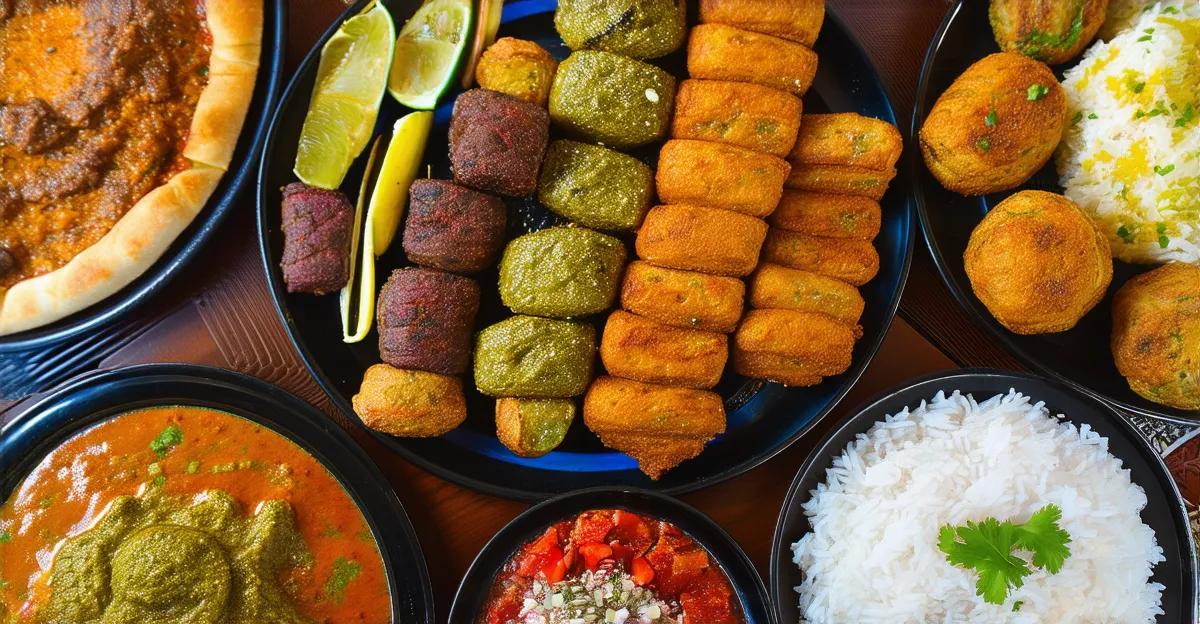
Aqaba cuisine is a vibrant blend of flavors influenced by its location on the Red Sea and the traditions of the surrounding regions. Known for its fresh seafood and rich spices, Aqaba offers a unique culinary experience that delights food lovers. Local dishes such as Sayadiyya and Maqluba showcase the city’s heritage while contemporary food experiences add to the richness of Aqaba’s food culture. This guide invites you to explore the must-try traditional dishes and dining spots in this beautiful Jordanian city.
Key Takeaways
- Aqaba traditional dishes provide a rich variety of flavors from seafood to rice-based meals.
- Local delicacies like Sayadiyya and Maqluba highlight the region’s unique culinary culture.
- The local dining scene ranges from casual eateries to fine restaurants catering to every budget.
- Participating in food tours and cooking classes immerses you in Aqaba’s culinary traditions.
1. Sayadiyya: The Signature seafood Dish
Sayadiyya is a renowned dish from Aqaba, showcasing the region’s rich marine resources. This traditional seafood dish typically features fried fish, often served over a fragrant bed of spiced rice. The rice is usually seasoned with a mix of onions, cumin, and coriander, enhancing its flavor profile. Moreover, Sayadiyya is often garnished with caramelized onions and nuts, which add a delightful crunch.
This dish not only highlights the culinary heritage of Aqaba but also emphasizes the area’s connection to the sea. Typically enjoyed during gatherings, Sayadiyya is a comfort food that brings family and friends together. To truly savor this dish, it is best enjoyed with a side of freshly prepared hummus or fattoush.
Tip: For an authentic experience, try local variations of Sayadiyya that may include different species of fish, depending on the catch of the day.
Where to eat: For a taste of Sayadiyya, visit Al-Hana Restaurant in Aqaba, which is famous for serving this exquisite dish, prepared just like the locals do.
2. Maqluba: The Upside-Down Rice Delight
Maqluba, meaning “upside down” in Arabic, is a popular dish in Aqaba that has become a symbol of Jordanian hospitality. This one-pot meal features layers of rice, vegetables, and meat, commonly chicken or lamb. After cooking, the pot is flipped upside down, revealing a beautifully layered presentation.
The combination of spices such as turmeric and cardamom gives the rice a vibrant color and bold flavor. Each bite of Maqluba is like a surprise, with different textures and tastes mingling together. Often served with a side of yogurt or salad, Maqluba is versatile and can be enjoyed during any occasion.
Did You Know? Maqluba is often prepared for special celebrations, showcasing the cook’s skills and creativity.
Where to eat: To try an authentic Maqluba, head to Ali Baba Restaurant where the dish is a house specialty, loved by both locals and visitors alike.
3. Mansaf: The National Dish of Jordan
🎯 Insider Tip: Discover the best Aqaba experiences with Viator Tours!
Mansaf is considered the national dish of Jordan and is a culinary treasure of Aqaba traditional dishes. It features tender lamb cooked in a rich, creamy sauce made from fermented yogurt called jameed. This dish is typically served over a bed of rice and is garnished with pine nuts and almonds. Generally, Mansaf is enjoyed during gatherings and celebrations, making it a symbol of Jordanian hospitality.
The combination of flavors in Mansaf is utterly satisfying; the tangy yogurt complements the savory lamb beautifully. Moreover, it is customary to eat Mansaf using your hands, which adds to the communal dining experience. Additionally, you may often find guests sharing the dish from a large communal platter, reinforcing the bonds of friendship and family.
Pro Tip: Don’t be shy about getting your hands dirty—it’s the best way to enjoy this traditional dish!
Where to eat: For an unforgettable Mansaf experience, visit Al-Quds Restaurant in Aqaba, known for its authentic preparation and warm atmosphere.
4. Fresh Grilled Fish: Aqaba’s Coastal Treasure
Aqaba is famous for its fresh grilled fish, a true testament to its coastal location and vibrant seafood culture. With the Red Sea right at its doorstep, Aqaba boasts an abundance of delicious fish varieties, including snapper, sea bass, and kingfish. These fish are typically seasoned with aromatic spices, garnished with fresh herbs, and grilled to perfection.
Dining on freshly grilled fish in Aqaba is not just about the food; it’s an experience. Many restaurants offer stunning views of the sea as you savor your meal. Generally, the fish is served alongside a platter of vegetables and traditional rice. The combination of flavors truly highlights the essence of Aqaba traditional dishes.
Pro Tip: Try to enjoy your fish with a squeeze of fresh lemon juice for an added burst of flavor!
Where to eat: Ali Baba Restaurant is a popular spot for grilled fish lovers, while Red Sea Grill offers a picturesque setting and a wide selection of seafood dishes.
5. Hummus and Pita: A Classic Starter
No meal in Aqaba is complete without the classic starter of hummus and pita. This delightful dish combines creamy, blended chickpeas with tahini, garlic, and olive oil, resulting in a rich and flavorful spread. Hummus is not only delicious but also nutritious, making it a perfect appetizer before indulging in heartier traditional dishes.
Typically, hummus is served with warm, fluffy pita bread, allowing you to scoop up every bit. In dining settings, it often comes with a drizzle of olive oil, sprinkled with paprika, and fresh herbs, elevating both presentation and taste. It perfectly complements the other flavors in Aqaba’s cuisine.
Did you know? Hummus is not just a starter; it can also double as a dip for fresh vegetables!
Where to eat: For the best hummus experience, visit Sufra Restaurant or Al Mohajreen Restaurant, where the traditional preparation shines through.
6. Fattoush: A Refreshing Salad
Fattoush is a delicious and refreshing salad that embodies the flavors of the Middle East, making it another staple of Aqaba traditional dishes. This salad features crisp vegetables like radishes, cucumbers, and tomatoes, combined with toasted or fried pieces of pita bread. It offers a delightful crunch that is both satisfying and flavorful.
What sets fattoush apart is its vibrant dressing, which typically includes a mix of pomegranate molasses, lemon juice, and aromatic herbs such as mint and parsley. This combination of ingredients not only brings a punch of flavor but also highlights the fresh produce found in local markets.
Pro Tip: Adding sumac to your fattoush enhances its taste with a tangy twist!
Where to eat: Try the fattoush at La Sweets Restaurant or Abu Jbara Restaurant, where chefs use seasonal ingredients to create an authentic experience.
7. Kabsa: A Flavorful Rice Dish
🎯 Insider Tip: Discover the best Aqaba experiences with Viator Tours!
Kabsa is one of the most beloved Aqaba traditional dishes and serves as a cornerstone of Jordanian cuisine. This fragrant rice dish is usually made with basmati rice, meat (like chicken or lamb), and a mix of spices such as cardamom, cinnamon, and cloves. The ingredients are slow-cooked to create a rich flavor profile that is both aromatic and satisfying.
The beauty of Kabsa lies in its presentation as well. It is traditionally served on a large platter, with the rice topped with sliced meat and garnished with nuts and raisins. This dish reflects the communal nature of Middle Eastern dining, where sharing food is a sign of hospitality.
Pro Tip: Enhance your Kabsa experience by pairing it with a side of yogurt or a fresh salad.
Where to eat: You can find Kabsa at Al-Masara Restaurant, known for its authentic flavors and generous portions. Another recommended spot is Ali Baba Restaurant, where the Kabsa is particularly famous among locals and visitors alike.
8. Shawarma: The street food Favorite
Shawarma is an iconic street food and a must-try among Aqaba traditional dishes. Typically made with marinated meat that is stacked and slowly cooked on a vertical rotisserie, it is known for its succulent flavor and juicy texture. You can enjoy beef, chicken, or lamb shawarma, each marinated with a unique blend of spices.
What’s great about shawarma is its versatility. It can be served in a wrap, in a pita, or on a plate with sides such as tahini, garlic sauce, and fresh vegetables. This makes it an easy and delicious meal, perfect for enjoying on the go.
Did you know? Shawarma is not just a meal; it’s a quick and satisfying grab-and-go option for those exploring the bustling streets of Aqaba.
Where to eat: For a delightful experience, stop by Shawarma Reem, where you can taste some of the best shawarma in town. Another excellent choice is Al-Mahashi Shawarma, famous for its generous servings and vibrant atmosphere.
9. Warak Enab: Stuffed Grape Leaves
Warak Enab, or stuffed grape leaves, is another classic dish that showcases the essence of Aqaba traditional dishes. This delicacy involves grape leaves filled with a mixture of rice, herbs, and spices, sometimes including meat for added flavor. The rolls are then simmered in lemon juice, which adds a zesty brightness.
This dish is often served as a starter or side and is loved for its fresh taste and aromatic properties. The tender leaves wrapped around the flavorful filling create a satisfying bite that complements many meals.
Pro Tip: Warak Enab is best enjoyed with a side of yogurt or fresh lemon wedges for dipping!
Where to eat: To savor authentic Warak Enab, visit Al-Quds Restaurant, known for its generous portions and authentic taste. Another fantastic spot is Haret Jdoudna, where you can enjoy these stuffed grape leaves in a beautiful setting.
10. Arabic Sweets: A Sweet Finish to Your Meal
🎯 Insider Tip: Discover the best Aqaba experiences with Viator Tours!
A trip to Aqaba wouldn’t be complete without indulging in Arabic sweets. These sugary delights are crafted from a variety of ingredients, often featuring nuts, honey, and aromatic spices. One of the most popular choices is Baklava, a rich pastry made of layers of filo filled with chopped nuts and sweetened with honey or syrup. Another favorite is Knafeh, a delicious dessert that combines shredded pastry with cheese, topped with syrup and often garnished with pistachios.
Additionally, Basbousa, a semolina cake soaked in syrup, offers a unique texture and sweetness. You might also want to try Maamoul, crumbly cookies filled with nuts or dates. Sharing these sweets is a delightful way to end your meal with friends and family.
Pro Tip: Don’t miss the chance to sample these treats at local bakeries and dessert shops around Aqaba!
Where to eat: For the best Arabic sweets, head to Al-Nasr Sweets or Sweets of Aqaba, where you can find a delightful array of traditional desserts.
11. Local Restaurants: Where to Find Authentic Aqaba Dishes
Aqaba boasts a vibrant food scene filled with restaurants that serve traditional Tunisian cuisine. Aqaba Seafood Restaurant is famous for its fresh seafood dishes, including the popular Sayadiyya. Meanwhile, Al-Shami Restaurant is perfect for trying local Jordanian dishes like Maqluba and Mansaf. These establishments focus on providing authentic flavors that reflect the region’s rich culinary heritage.
If you’re looking for a casual dining experience, Mama Fayza is a charming spot where you can savor delicious homemade-style meals. For dessert, visit Bakehouse, which offers an incredible selection of pastries that perfectly complement your meal.
Pro Tip: Always ask the locals for their favorite dining spots; they often know hidden gems!
12. Food Markets: The Heart of Aqaba’s Culinary Scene
The food markets in Aqaba are bustling hubs of activity where you can immerse yourself in the local cuisine. The Aqaba Market is a must-visit, offering fresh produce, spices, and local delicacies. Here, you can see the vibrant colors of fruits and vegetables that are crucial to many traditional dishes.
As you stroll through the market, don’t forget to sample street food available from various stalls. You may find enticing aromas wafting from vendors frying up fresh Kebabs or preparing delicious Shawarma. It’s a great opportunity to experience the flavors of Aqaba firsthand.
Pro Tip: Visit early in the morning to enjoy the freshest produce and best atmosphere!
Additionally, exploring markets will give you a chance to interact with locals, making your culinary journey even more enriching.
13. Cooking Classes: Learn the Art of Aqaba Cuisine
In Aqaba, cooking classes offer a fantastic way to connect with the local culture while learning how to prepare traditional dishes. These hands-on experiences typically begin with a visit to a local market, where you’ll pick fresh ingredients. From there, you’ll learn to create classic dishes like Sayadiyya and Maqluba under the guidance of skilled chefs.
Additionally, many classes emphasize not just cooking, but also the stories behind each dish. This adds depth to your culinary journey, making it a memorable experience. It’s exciting to understand how ingredients and spices play an integral role in Aqaba’s cuisine.
Pro Tip: Choose a class that includes a meal at the end, so you can enjoy the fruits of your labor!
Where to learn: Aqaba Cooking School and Chef’s Kitchen Aqaba are recommended for anyone eager to dive into the world of Aqaba’s culinary arts.
14. Seafood Festivals: Celebrate Aqaba’s Flavors
🎯 Insider Tip: Discover the best Aqaba experiences with Viator Tours!
Every year, Aqaba hosts vibrant seafood festivals that celebrate the abundant marine life found in the Red Sea. These festivals highlight the fresh seafood that is a cornerstone of Aqaba traditional dishes. Visitors can expect to find various stalls offering grilled fish, shrimp, and the signature Sayadiyya.
Moreover, the atmosphere during these events is lively and festive. Local chefs prepare unique dishes, showcasing different cooking techniques. It’s not just about the food; there’s also live entertainment, cultural performances, and local crafts to enjoy.
Did you know? Attending a seafood festival is a fantastic way to meet locals and engage with the community!
Plan your visit to coincide with the festival dates for an unforgettable gastronomic experience in Aqaba.
15. Tasting Tours: A Culinary Adventure in Aqaba
Tasting tours in Aqaba provide a wonderful way to explore the city’s gastronomic landscape. These tours typically guide visitors through local markets, restaurants, and hidden gems, allowing you to sample various Aqaba traditional dishes in one exciting journey. You’ll have the chance to taste everything from hummus and pita to warak enab.
Participating in a tasting tour also offers the advantage of discovering local favorites that you might otherwise miss. Skilled guides share insights about the dishes, their ingredients, and their significance in the culture.
Tip: Bring a friend! Sharing the experience makes it even more enjoyable.
Companies like Aqaba Food Tours provide several options tailored to different tastes, ensuring that every visitor can indulge in Aqaba’s rich flavors.
Aqaba traditional dishes reflect the beautiful tapestry of flavors and cultures found in this coastal gem. Whether you’re enjoying fresh seafood or indulging in aromatic rice dishes, Aqaba cuisine promises something for every palate. Don’t miss the chance to explore its culinary delights and share your favorite traditional dishes from this enchanting city.
Frequently Asked Questions
A: Sayadiyya, Maqluba, and Mansaf are crucial to experiencing Aqaba’s culinary delights.
A: Street vendors and local cafes offer delicious and budget-friendly traditional dishes.
A: Yes, many traditional dishes can be made vegetarian, such as Fattoush and Hummus.
A: The waterfront area features numerous restaurants with local dishes and stunning views.
A: Mansaf is often served on special occasions and symbolizes hospitality and generosity.
A: Yes, Aqaba hosts various food festivals showcasing traditional and modern dishes.