
Amman Traditional Dishes: A Culinary Journey
Explore Amman’s traditional dishes and authentic flavors. Discover food experiences, dining spots, and local delights in Jordan’s vibrant capital.
On this page
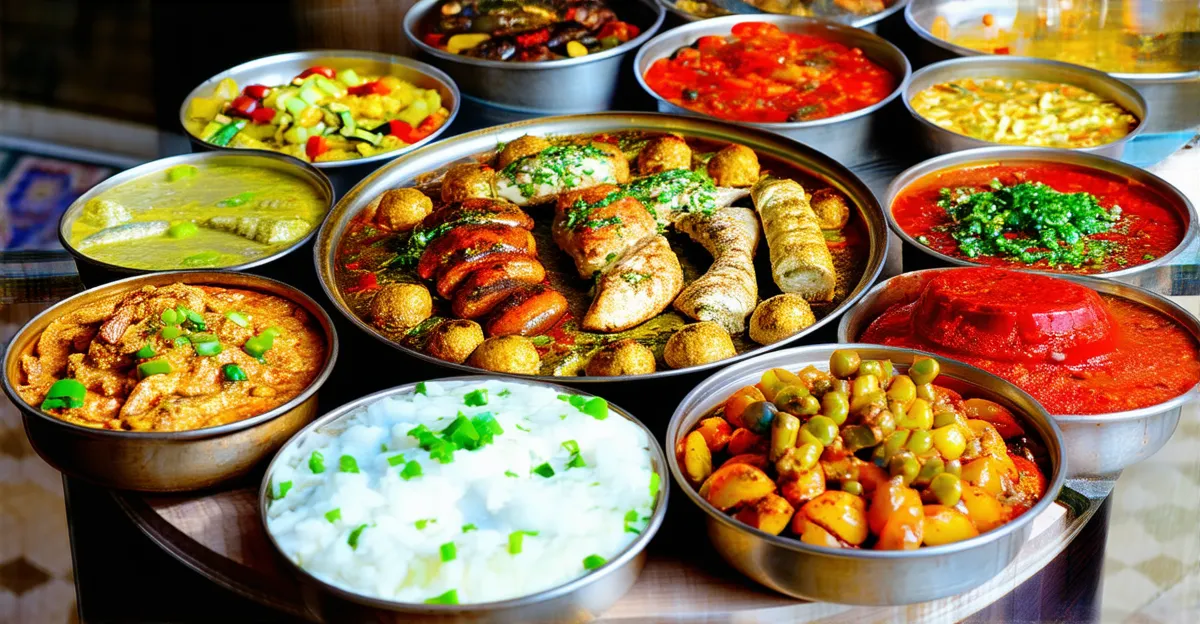
Amman, the capital of Jordan, boasts a rich culinary heritage that reflects its diverse culture and history. Food lovers will find a delightful array of traditional dishes, influenced by Middle Eastern flavors and local ingredients. From the famed Mansaf to aromatic kebabs, Amman’s cuisine is a must-experience for anyone visiting the city. This guide takes you on a journey through Amman’s traditional dishes, highlighting unique local flavors and dining spots worth exploring.
Key Takeaways
- Amman’s traditional dishes highlight the richness of Jordanian culture.
- Signature dishes like Mansaf and Maqluba showcase local flavors and ingredients.
- street food and fine dining cater to all budgets and preferences.
- Exploring local eateries and markets offers an authentic culinary experience.
1. Mansaf: The National Dish of Jordan
Mansaf, considered the national dish of Jordan, holds a special place in the hearts of locals and visitors alike. This traditional meal features lamb cooked in a rich yogurt sauce, served over a bed of rice and garnished with pine nuts and parsley. The yogurt sauce, known as jameed, is made from dried fermented yogurt, giving the dish its unique and tangy flavor.
Traditionally, Mansaf is served on large platters, meant to be shared. It is often accompanied by flatbread which is used to scoop up the meat and rice. This dish is not just food; it represents Jordanian hospitality and is often served at important occasions, such as weddings and family gatherings.
Pro Tip: To enjoy Mansaf the authentic way, use your right hand and enjoy the communal experience!
Where to eat: A must-visit for Mansaf is Al Quds Restaurant in Amman, known for its generous portions and homestyle cooking. Another great spot is Hashem Restaurant, popular among locals for its delightful Mansaf.
2. Maqluba: The Upside-Down Delight
Maqluba, which literally means “upside down,” is a beloved Jordanian dish that surprises both the eye and the palate. Traditionally made with rice, meat (usually chicken or lamb), and an assortment of vegetables like potatoes and eggplants, this dish is known for its dramatic presentation. After cooking, it is flipped upside down on a serving plate, creating an impressive tower of flavor.
The flavors in Maqluba are enhanced with spices and broth, infusing the rice with delicious, savory notes. This dish is often served with a side of yogurt or salad for a refreshing balance. Sharing Maqluba at the dinner table fosters togetherness among family and friends.
Did you know? Maqluba is often cooked in one pot, making it a convenient meal for gatherings.
Where to eat: To experience the best Maqluba in Amman, visit Al-Fakhareyya, where they serve authentic versions. Another excellent place is Abu Jbara, popular for its traditional atmosphere.
3. Kibbeh: A Traditional Meat Dish
🌟 Local Expert Tip: Get the most out of your Amman visit with guided tours!
Kibbeh is a traditional dish that embodies the rich flavors of Jordanian cuisine. Made from ground meat, typically lamb or beef, mixed with bulgur wheat and spices, Kibbeh is often shaped into balls or patties. This dish can be prepared in several ways: fried, baked, or even served raw with herbs and a drizzle of olive oil.
The fried Kibbeh is crispy on the outside, while the inside remains tender and flavorful. It is often accompanied by a side of tahini sauce and fresh vegetables, making it a complete meal. Kibbeh is a staple at family gatherings and celebrations.
Pro Tip: For a unique twist, try Kibbeh in its baked form, known as Kibbeh bil Sanieh, which offers a delightful layer of spices and ground meat.
Where to eat: In Amman, Shawarma Reem specializes in delectable Kibbeh along with other Jordanian dishes. Another great spot is Fakhreldin Restaurant, well-known for its quality and authenticity.
4. Shawarma: A street food Favorite
Shawarma is undoubtedly one of the most popular Amman traditional dishes and a go-to street food for locals and visitors alike. This delightful dish consists of marinated slices of meat, usually lamb, chicken, or beef, stacked on a vertical rotisserie. As it cooks, the outer layers are shaved off and served in a wrap, typically accompanied by fresh vegetables and tahini sauce.
The flavors of shawarma can be enhanced with spices and garlic, giving it a unique taste that is hard to resist. Moreover, it is often served with pickles and fries, making it a hearty meal on the go. You can find shawarma vendors at almost every corner, especially in bustling markets such as Al-Balad.
Pro Tip: Don’t forget to try the spicy sauce for an extra kick!
Where to eat: For some of the best shawarma in Amman, head to Shawarma Reem or Al Quds, where you’ll find both locals and tourists enjoying this delicious dish.
5. Falafel: A vegan Delight
Another cherished dish on the streets of Amman is falafel, which is a perfect option for vegans and vegetarians. These golden-brown balls are made from ground chickpeas or fava beans, mixed with various herbs and spices before being deep-fried to perfection. They are often served in pita bread with fresh vegetables and a drizzle of tahini or sauce.
Falafel is not just a snack; it can be a satisfying meal. The crispy texture combined with the freshness of salad ingredients makes it a flavorful delight. Notably, every vendor has its own special recipe, and trying them all can lead to exciting discoveries.
Did you know? Falafel was originally introduced to the region by Egyptian immigrants but has become a popular snack in Jordan.
Where to eat: If you’re looking for great falafel, visit Ali Baba or Hashem Restaurant, both known for serving some of the best falafel in town.
6. Hummus: A Classic Middle Eastern Spread
🌟 Local Expert Tip: Get the most out of your Amman visit with guided tours!
Hummus represents another iconic Amman traditional dish, beloved by many around the world. This creamy blend of chickpeas, tahini, lemon juice, garlic, and olive oil is a staple in Middle Eastern cuisine. Hummus can be enjoyed as an appetizer, dip, or even as a spread on sandwiches, making it incredibly versatile.
What’s more, hummus can be enhanced with toppings like olive oil, paprika, and even nuts, adding an extra layer of flavor. It’s perfect for pairing with freshly baked pita bread or vegetables. Many locals believe that the best hummus comes from traditional family recipes that have been passed down through generations.
Pro Tip: For a truly authentic experience, try dipping warm pita into the hummus right after it’s prepared!
Where to eat: For some of the best hummus, make sure to visit Hummus Shams or Abu Jbarah, where you can indulge in this delicious and healthy dish.
7. Fattoush: A Fresh Arabic Salad
Fattoush is a vibrant and refreshing salad that showcases the flavors of Amman traditional dishes. This delightful dish is made with a variety of fresh vegetables, including tomatoes, cucumbers, and radishes, all tossed together with crispy pieces of toasted or fried pita bread. The addition of herbs, particularly fresh mint and parsley, elevates the flavors.
The standout feature of Fattoush is its zesty dressing, usually made with lemon juice, olive oil, and a touch of sumac, which gives the salad a distinctive tangy flavor. This salad is not only visually appealing but is also a nutritious option packed with vitamins and minerals.
Pro Tip: To enhance the experience, serve Fattoush alongside grilled meats for a perfect balance of flavors.
Where to eat: For an authentic Fattoush, visit Abu Jbara or Hashem Restaurant, both known for their delicious take on this traditional dish.
8. Zaatar Manakish: Savory Pastries
Zaatar Manakish is a must-try item when exploring Amman traditional dishes. These savory pastries are made from a simple dough topped with a blend of zaatar, olive oil, and often accompanied by cheese. Za’atar itself is a fragrant mix of dried thyme, oregano, and sesame seeds, which lends the pastry its unique taste and aroma.
Typically baked to perfection, Zaatar Manakish can be enjoyed at breakfast, as a snack, or even as a light lunch. The combination of the fluffy bread and the savory zaatar topping makes it a delightful experience.
Did you know? Zaatar Manakish is often enjoyed with pickles and fresh vegetables for a more complete meal.
Where to eat: Head to Al Quds or Manakish & More for some of the best Zaatar Manakish in Amman, where freshness is guaranteed.
9. Kunafa: A Sweet Treat of Amman
Kunafa is a beloved dessert that is a staple of Amman traditional dishes. This sweet pastry is made from thin noodle-like strands of dough, soaked in fragrant sugar syrup and layered with a filling, typically made from cheese or nuts. Served warm and often garnished with crushed pistachios, Kunafa is both delicious and visually enticing.
Its combination of crispy outer layers and a soft, gooey interior makes Kunafa a unique and indulgent treat. This dessert is especially popular during special occasions and family gatherings, but you can find it at most sweet shops around the city.
Pro Tip: Don’t skip the syrup! Drizzling additional sugar syrup on top enhances its sweetness.
Where to eat: Check out Habiba Kunafa or Abdul Rahman Al Banna, both famous for their delectable Kunafa that will satisfy any sweet tooth.
10. Arabic Coffee: A Cultural Experience
Arabic coffee, known locally as qahwa, is an essential part of the social fabric in Amman and throughout Jordan. This traditional beverage is often brewed from Arabian coffee beans, characterized by a light roast and enhanced with spices like cardamom. Drinking Arabic coffee is more than just savoring a drink; it is a time-honored ritual that reflects the warmth of hospitality in Jordanian culture.
Typically served in small, handle-less cups, Arabic coffee is poured from a dallah (traditional coffee pot), and it is common for the host to refill the guest’s cup several times. This practice signifies respect and generosity, creating opportunities for meaningful conversation and bonding. Additionally, the preparation and serving of the coffee itself can be an art form, showcasing the rich traditions of Amman’s heritage.
Pro Tip: When offered coffee, it’s polite to accept at least one cup as a sign of appreciation. It’s also customary to shake your cup gently from side to side when you no longer wish for a refill.
Where to experience this cultural delight: Visit Habibah Sweets for a delightful cup of Arabic coffee paired with traditional sweets or stop by Al-Quds for a local café experience. Both places offer an authentic taste of Amman’s coffee culture.
Amman’s traditional dishes are a vibrant reflection of its cultural heritage, offering a unique taste of Jordanian hospitality. Whether savoring street food or dining in local restaurants, the flavors of Amman will leave a lasting impression. Share your favorite traditional dishes and start planning your culinary adventure in this beautiful city!
Frequently Asked Questions
🌟 Local Expert Tip: Get the most out of your Amman visit with guided tours!
A: Mansaf is considered Amman’s national dish, made with lamb, yogurt sauce, and rice.
A: Don’t miss out on Mansaf, Maqluba, Kibbeh, and Shawarma.
A: Yes, dishes like Falafel, Hummus, and Fattoush are perfect for plant-based diets.
A: Local restaurants in areas like Rainbow Street and Jabal al-Weibdeh offer authentic Jordanian meals.
A: Join food tours to explore local markets and cooking classes for a hands-on experience.
A: Kunafa is a sweet pastry made with thin noodle-like dough, best found at dessert shops in the city.