
Al Ula Desert Cuisine: Savor Local Flavors
Discover the unique Al Ula desert cuisine! Explore local dishes and culinary experiences that make this destination a food lover’s paradise.
On this page
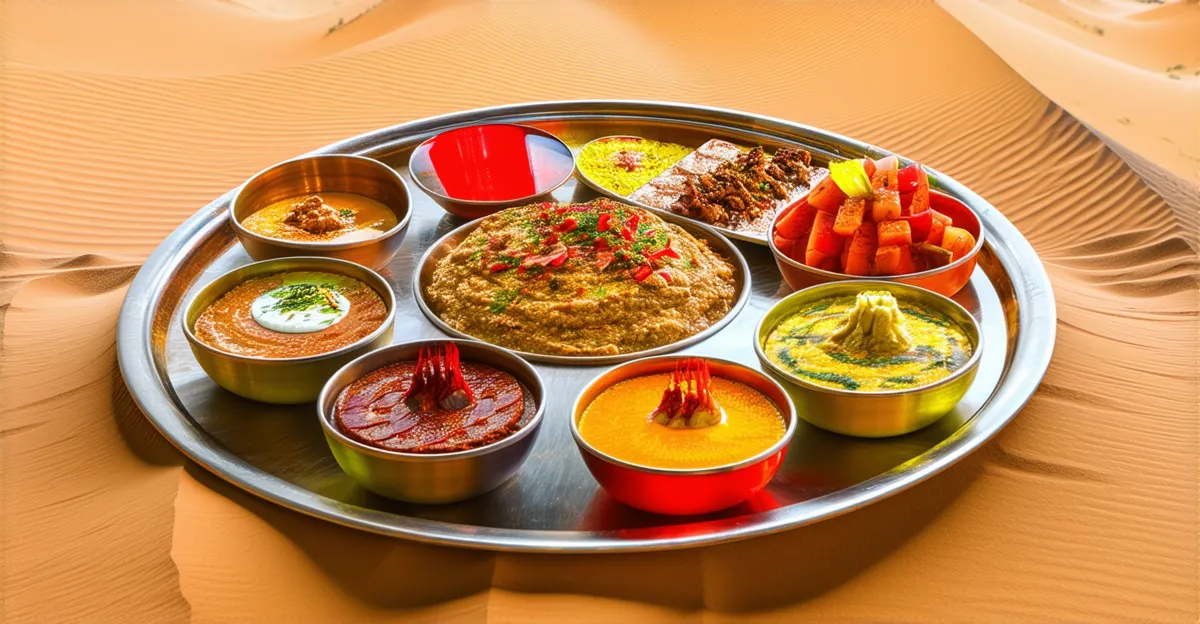
Al Ula desert cuisine is a captivating blend of ancient traditions and modern culinary artistry, reflecting the rich heritage of this stunning region. Nestled amidst breathtaking sandstone cliffs and lush oases, Al Ula’s culinary scene offers an array of local dishes that celebrate its Bedouin roots and agricultural bounty. From hearty stews and fragrant spices to fresh date delicacies, food lovers will find a treasure trove of flavors waiting to be explored. Get ready to embark on a culinary journey through Al Ula, where every bite is steeped in history and tradition.
Key Takeaways
- Al Ula desert cuisine offers a diverse range of authentic flavors rich in tradition.
- Signature dishes like Kabsa, Majaddara, and fresh dates highlight the unique food customs.
- From street food to traditional meals, Al Ula caters to every palate and occasion.
- Exploring local markets and trying food from stall vendors provides a genuine taste of Al Ula’s culture.
1. Majaddara: A traditional Al Ula Staple
Majaddara is a beloved dish in Al Ula and a perfect example of Al Ula desert cuisine. This hearty meal combines lentils and rice, topped with caramelized onions, creating a harmoniously rich flavor. It is not only nutritious but also affordable and easy to prepare, making it a regular staple in many households.
Often served with a drizzle of olive oil, this dish can also be accompanied by yogurt or a fresh salad for added texture. The simplicity of ingredients belies the depth of flavor, making Majaddara one of the most comforting meals you can enjoy in the Al Ula region.
Did you know? Majaddara is a common dish throughout the Middle East, but each region has its own twist that makes it unique.
Where to eat: For a taste of authentic Majaddara, visit Restaurante Al Ula, where they serve this delicious dish made from locally-sourced ingredients.
2. Kabsa: The Iconic Spiced Rice of Al Ula
Kabsa is often considered the national dish of Saudi Arabia, and it shines brightly in Al Ula’s culinary scene. This aromatic dish consists of spiced rice cooked with tender meat—typically chicken, lamb, or goat. The rich blend of spices such as cinnamon, black lime, and saffron adds a symphony of flavors that dance on your palate.
What makes Kabsa unique in Al Ula is the method of preparation: it’s often cooked in large pots, bringing families and friends together for shared meals, fostering community spirit. Accompany your meal with a side of vegetables or a refreshing salad for a balanced experience.
Pro Tip: Always savor Kabsa with your hands, as it allows you to appreciate the texture and aroma fully!
Where to eat: Don’t miss out on trying Kabsa at AlUla heritage Restaurant, known for its authentic and rich flavors.
3. Jajeek: A Refreshing Yogurt Dip
💡 Pro Tip: Book your AlUla adventures in advance through Viator for the best deals!
Jajeek is another delightful component of Al Ula desert cuisine. It is a cool yogurt dip often infused with cucumber, garlic, and mint. This refreshing side dish serves as an excellent complement to spicy main courses, balancing out the flavors beautifully.
Perfect for hot desert days, Jajeek is commonly served during gatherings or celebrations. It not only tantalizes your taste buds but also provides a boost of hydration and nutrients from yogurt and cucumbers. Additionally, it pairs wonderfully with fresh bread or vegetables for dipping.
Did you know? Jajeek is rich in probiotics, making it great for digestion!
Where to eat: For the best Jajeek, head over to AlUla Café, where they serve it fresh, made daily.
4. Harees: A Hearty Grain Dish Special
Harees is a traditional dish that holds a special place in Al Ula desert cuisine, especially during festive occasions. This hearty meal is made primarily from wheat and meat, seasoned with aromatic spices that capture the essence of the desert. The grains are slow-cooked until they break down into a porridge-like consistency, creating a warm comfort food that is both satisfying and nutritious.
While it may seem simple, the secret to a great harees lies in the cooking technique and the quality of the meat used. Typically, chicken or lamb is chosen for its rich flavor. Additionally, harees is often garnished with a drizzle of ghee, adding a wonderful richness to the dish.
Pro Tip: Enjoy harees with an accompanying side of yogurt or a fresh salad for a complete meal experience.
Where to eat: For authentic harees, head to Al Ula heritage Restaurant, where you can savor traditional flavors in a charming setting.
5. Shawarma: Street Food Favorite in Al Ula
💡 Pro Tip: Book your AlUla adventures in advance through Viator for the best deals!
Shawarma is another beloved staple in Al Ula desert cuisine that captures the heart of street food lovers. Made from marinated meats—usually chicken or lamb—shawarma is cooked on a vertical rotisserie, allowing the exterior to crisp while staying juicy inside. Served in pita bread and loaded with fresh vegetables, garlic sauce, and pickles, it offers a burst of flavors in every bite.
This flavorful dish has become a go-to option for locals and tourists alike. It’s perfect for those who want a quick, filling meal while exploring the stunning landscapes of Al Ula. Additionally, street vendors often serve shawarma with a side of fries or a refreshing drink.
Don’t miss out! Pair your shawarma with a tangy tahini sauce for an extra kick.
Where to eat: For the best shawarma, try Shawarma Al Ula, known for its succulent wraps and speedy service.
6. Fresh Dates: Nature’s Sweet Treat
Fresh dates are more than just a sweet snack; they are a vital part of the Al Ula desert cuisine. Known for their rich flavor and natural sweetness, dates are often consumed fresh or dried and are a staple during Ramadan. These luscious fruits are packed with nutrients and serve as energy boosters, perfect for the hot desert climate.
In Al Ula, you’ll find various types of dates, each with its unique texture and taste. Some of the most popular varieties include Medjool and Ajwa, prized for their sweetness and soft texture. Enjoyed on their own or paired with nuts and cheese, fresh dates offer a delightful taste of the region.
Pro Tip: Look for local date palms to taste the freshest options while in Al Ula!
Where to eat: Visit Al Ula Dates Market for a vast selection of dates and tips on the best local producers.
7. Kebabs: Flavorful Grilled Delights
Kebabs are a beloved staple within Al Ula desert cuisine, offering a delicious and aromatic taste of the region. Typically made from finely marinated meat, these kebabs are skewered and grilled over an open flame, imparting a smoky flavor. Everywhere you turn in Al Ula, you will find local food vendors and restaurants serving their unique versions of kebabs, each with their own secret spice blends.
Popular varieties include shish kebabs made with tender chunks of lamb or beef, often accompanied by colorful vegetables like bell peppers and onions. Furthermore, chicken kebabs marinated in yogurt and spices are a crowd favorite, ensuring there’s something for everyone. Additionally, they are often served with fresh pita bread and sides like tahini or garlic sauce to enhance the experience.
Pro Tip: For the best kebabs, look for places crowded with locals—they know the tastiest spots!
Where to eat: Experience delightful kebabs at Al Ula Al-Medina Restaurant, renowned for its juicy kebabs, or Al Shwater Restaurant for their flavorful grilled delights.
8. Authentic Bedouin Coffee: A Cultural Experience
No visit to Al Ula is complete without sipping on authentic Bedouin coffee, a cultural experience that reflects the rich history and heritage of the region. Known locally as qahwa, this traditional coffee is prepared using lightly roasted coffee beans, often flavored with spices such as cardamom and served with dates.
The preparation of Bedouin coffee is a social ritual, typically shared among friends and family. The coffee is brewed in a dallah, a traditional coffee pot, and served in small cups, inviting conversation and camaraderie. It is both aromatic and slightly bitter, making it a perfect pairing with sweet dates.
Did you know? In Bedouin culture, serving coffee is a symbol of hospitality and friendship.
Where to enjoy Bedouin coffee: Visit a local café like Al-Bujairi Cafe where you can experience the warmth of traditional hospitality alongside this aromatic drink.
9. Halwa: The Vibrant Traditional Dessert
💡 Pro Tip: Book your AlUla adventures in advance through Viator for the best deals!
Halwa holds a celebrated place in Al Ula desert cuisine as a vibrant traditional dessert enjoyed on special occasions. Known for its sweet and rich flavors, halwa is made from semolina, sugar, and ghee, often infused with nuts and spices like saffron or cardamom for added richness.
This delightful treat can be enjoyed warm or cold, and its texture can range from dense to light, depending on the recipe used. One bite, and you will be greeted with a melty sweetness that contrasts beautifully with the crunch of the nuts folded within. Additionally, it is often served with coffee or tea, making it a staple at gatherings.
Pro Tip: Don’t miss trying the saffron-infused halwa for a truly unique flavor experience!
Where to find halwa: Head to Al Ula Sweets House, where they serve various flavors of this traditional dessert, or explore local markets for freshly made halwa.
10. Local Markets: Finding Hidden Culinary Gems
The vibrant local markets in Al Ula are a paradise for food lovers and those eager to explore Al Ula desert cuisine. These markets offer a unique opportunity to discover both traditional dishes and local ingredients that reflect the region’s culinary heritage. Walk through the bustling alleys, and you’ll be greeted by a myriad of colors, scents, and flavors that embody the spirit of Al Ula.
One of the best places to experience the local cuisine is at the Al Ula Heritage and Nature Conservation Commission Market. Here, you can find fresh produce, spices, and local delicacies sourced from nearby farms. Additionally, you may come across vendors selling homemade goods, providing a glimpse into the traditional cooking practices of the area.
Pro Tip: Don’t hesitate to strike up a conversation with local vendors to learn about their dish recommendations and secret recipes.
If you’re visiting on a weekend, be sure to check out the weekly farmers’ market, where you can taste specialties like freshly baked bread and aromatic spices essential for recreating Al Ula’s delightful dishes. This engaging food journey not only tantalizes your taste buds but also connects you to the rich cultural tapestry of the region.
Where to eat: After your market visit, consider dining at Al Ula Food House, known for its authentic dishes made with ingredients sourced from local markets. For a more casual experience, Street Food Al Ula is ideal for trying quick bites and enjoying the bustling atmosphere.
Al Ula desert cuisine is a delightful blend of time-honored traditions and exciting flavors waiting to be discovered. From communal meals shared by the Bedouins to the spices that infuse every dish, Al Ula offers an unforgettable culinary experience that reflects its stunning landscape and rich history. We encourage you to plan your journey and indulge in the mouth-watering delights that Al Ula has to offer. Share your favorite local dishes or tips for exploring this unique cuisine!
Frequently Asked Questions
A: Al Ula is known for its delicious Kabsa, Majaddara, and fresh dates, showcasing a unique blend of Bedouin and Arabic flavors.
A: Majaddara, Kabsa, shawarma, and local dates are must-try dishes for anyone visiting.
A: Yes, dishes like Majaddara, Jajeek, and various salads cater to vegetarian preferences.
A: Explore local markets, participate in culinary tours, and dine at traditional restaurants for an authentic taste.
A: Bedouin coffee and fresh fruit juices are popular beverages to enjoy alongside meals.
A: Joining a local food tour or cooking class can provide deeper insight into Al Ula’s culinary traditions.